
 Bottle Coolers & Beer Fridges
 Ice Cream Displays
 Ice Cream Machines
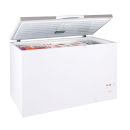 Chest Freezers
 Commercial Freezers
 Commercial Fridges
 Ice Cube Makers and Flakers
 Wine Coolers
 Bain Maries
 Commercial Microwaves
 Commercial Sinks
 Commercial Ovens
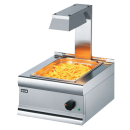 Fryers and Chip Scuttles
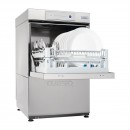 Glass and Dishwashers
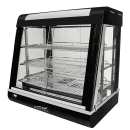 Pie Warmers & Hot Food Displays
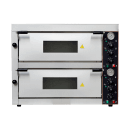 Pizza Ovens
 Water Boilers
 Bar Supplies
 Bowls & Display Baskets
 Cash Registers
 Chafing Dish Sets & Fuel
 Menus & Boards
 Table Numbers & Stands
 Salt, Pepper & Spice Mills
 Crockery
 Cutlery
 Glassware
 Wine Glasses
 Bins
Bins Cleaning Chemicals
 GreasePak
 Janitorial Equipment
 Laundry Equipment
 Coffee Machines
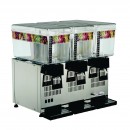 Juice Dispensers
 Juicers
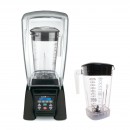 Drink Blenders
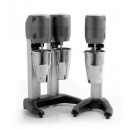 Milkshake Blenders
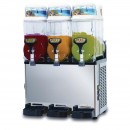 Slush Machines
 Water Boilers
 Cookware
 Gastronorm Containers
 Ingredient Bins
 Pastry & Baking
 Utensils
 Pizza Pans & Equipment
 Food Storage
 Food Transport & Delivery Bags
 Folding Furniture
 Garden and Outdoor Furniture
 High Chairs
 Chairs
 Tables
Glass Lid Chest Freezers
Commercial Glass Lid Chest Freezers are essential investments for UK supermarkets, convenience stores and retail outlets looking to showcase frozen goods while boosting sales. Featuring robust sliding or hinged glass tops, these freezers combine visibility with energy efficiency—running at temperatures between -18°C and -25°C to keep everything from ice cream to frozen ready meals in perfect condition. With capacities ranging from compact 200L models to expansive 600L units, they're designed for heavy commercial use. We've spent 50 years watching these pair brilliantly with upright display refrigerators for a complete frozen food section, delivering the perfect balance of product visibility and temperature control.
Shop By
We Recommend

Commercial Island Chest Freezer | Glass Lid Freezer | 1550mm Wide | Best Frost KSM750
- Flat sliding lids
- Static cooling
- Adjustable feet
- Temperature display
- Defrost drain
-
 £143.98 £215.98
Commercial Bain Marie | Wet Heat Food Warmer | Stainless Steel | CH732
9.6327H x 645W x 432D mm
Nisbets Essentials
Supplied in environmentally friendly packaging
Stainless Steel
Commercial Glass Lid Chest Freezers for Retail & Supermarkets
Explore More About Glass Lid Chest Freezers
Get expert guidance, see real chef stories, and find answers to your most common questions.
Brands Trusted by Industry Professionals
Key Features and Benefits
- Efficient Cooling Technology Maintains perfect -18°C to -25°C—ideal for all frozen products.
- LED Interior Lighting Illuminates products brilliantly—increases impulse purchases.
- Energy-Saving Design Uses up to 35% less power than open freezers—slashes electricity bills.
- Sliding/Hinged Glass Lids Easy access while maintaining temperature—perfect for busy shops.
- Superior Product Visibility Clear glass tops showcase merchandise—boosts sales without opening.
- Versatile Capacity Options From 200L to 600L—suits every retail space requirement.
- Easy-Clean Interiors Rounded corners and removable dividers—simple maintenance.
- Commercial-Grade Durability Built for constant use in high-traffic environments—lasts years.
Too busy to read? Listen instead.
In this episode of The Deep Dive, we explore glass lid chest freezers—ideal for frozen food merchandising. Learn how visibility boosts sales, which features to look for (like lockable lids and defrost modes), and how to choose the right size for your setup.
13.10min | Expert-led | Real-world advice
0:00: Welcome to the deep dive.
0:02: Today we're taking a closer look at commercial blast lid chest freezers, you know, the ones you see everywhere in supermarkets, local shops.
0:11: Keeping ice cream, frozen meals, all that stuff cold.
0:14: Yeah, they seem simple, but there's actually quite a bit to them.
0:17: Our goal today really is to get under the hood, understand why they're designed the way they are, explore the benefits for businesses, and, you know, flag the key things to think about if you're considering buying one.
0:29: We're mainly drawing on info from Easy Equipment's product page.
0:33: OK.
0:34: And what jumped out at me straight away was how they talk about them.
0:37: Not just as boxes to keep things cold, but as essential investments.
0:41: Exactly, for showcasing goods, driving sales, that's the angle.
0:45: So let's start there.
0:46: What exactly are these commercial glass lid chest freezers?
0:49: What defines them?
0:50: Well,, fundamentally they're top freezers built for constant commercial use.
0:54: Think UK supermarkets, convenience stores, that sort of thing.
0:57: The obvious feature is the top sliding or hinged glass lids, so you can see inside.
1:03: And critically, they hold very specific low temperatures, usually between a net at 18 and 25 °C.
1:11: -18 to-25, that's pretty cold.
1:14: It has to be.
1:15: It's vital for keeping things like ice cream, frozen ready meals, all that stuff properly.
1:20: preserved and safe.
1:22: So it's more than just a big home freezer.
1:24: Why is this specific design with the glass top so good for, you know, selling frozen stuff?
1:29: It's all about balancing two things.
1:31: You need customers to see the products easily, that's visibility, but you also need to keep the energy costs down, efficiency.
1:38: These freezers do both pretty well.
1:40: Customers browse through the glass.
1:42: No need to keep opening the lid and letting cold air out.
1:45: And our source actually mentions how businesses often pair them with, say, upright display fridges to get that complete frozen section look.
1:52: It's about that perfect mix of visibility and temperature control.
1:56: That makes a lot of sense.
1:57: See everything, maybe grab something you weren't planning to, but without warming everything up.
2:00: Precisely, impulse buys.
2:02: Now, the info we looked at lists some key features and benefits.
2:06: What really stands out for a business owner, do you think?
2:09: Well, number one has to be the efficient cooling.
2:12: Holding that negne 18 to 25 range consistently, that's just non-negotiable, food safety, quality.
2:19: But then you've got things like, LED interior lighting seems small, right?
2:24: But good lighting makes the products look way more appealing.
2:27: It can really boost those impulse buys we mentioned makes things look well, desirable, like putting a spotlight on temptation.
2:34: I see.
2:34: Yeah.
2:34: OK.
2:35: What about the energy side?
2:36: That's always a big factor for businesses, the running costs.
2:39: Huge factor.
2:39: Yeah.
2:39: The source talks about an energy saving design claims up to 35% less power use compared to open top freezers.
2:46: 35%.
2:47: That's quite a jump.
2:49: It really is.
2:49: They even mentioned potential savings.
2:51: Maybe up to 300 pounds a year for the really efficient A+ or A++ models.
2:56: Multiply that if you have several units, it adds up fast.
3:00: And a big part of that efficiency comes down to the basic design, something called the Coldwell principle.
3:05: Coldwell, how does that work?
3:06: It's pretty neat actually, just basic physics.
3:09: Cold air is denser, heavier than warm air.
3:11: OK.
3:12: So in a chest freezer, it naturally sinks and pools at the bottom.
3:15: It creates this well of cold air that tends to stay put, even if you quickly open the lid.
3:21: , so it doesn't all immediately spill out like it might from an upright freezer.
3:25: Exactly, which means the compressor, the motor doing the cooling doesn't have to kick in quite as often or work quite as hard to get back down temperature, saves energy.
3:34: That's clever.
3:35: And those glass lids must help keep that cold air trapped too.
3:38: Absolutely.
3:39: They're not just windows, they act as a thermal barrier.
3:42: They minimize heat getting in and cold getting out.
3:44: That's a big contributor to that 35% energy saving figure compared to freezers with no tops.
3:50: It all fits together.
3:52: Now, you mentioned different sizes.
3:54: Versatile capacity options.
3:55: Yeah, that's crucial.
3:57: Not every shop is the same size or has the same needs.
3:59: You can get smaller ones, around 200 L maybe.
4:03: Good for a corner shop, limited space, just wants to sell some ice creams or whatever.
4:07: Then you've got the big boys, up to 600 L or even more.
4:11: For supermarkets doing big displays, wider ranges, so businesses can pick what fits their floor space and how much stock they need to hold.
4:18: And what about keeping them clean?
4:20: Busy shop, things get messy.
4:22: The source mentioned easy clean interiors.
4:25: Yeah, that's important.
4:26: Things like rounded corners inside, maybe removable dividers or baskets, makes wiping them down much easier, helps with hygiene, obviously, but also stops ice building up too much, which can actually make them less efficient.
4:39: Good point.
4:39: And they're built tough, commercial grade durability, they call it, designed to handle the knocks and scrapes of a busy retail environment.
4:47: OK, so let's say a business is thinking, right, maybe I need one of these.
4:51: What are the key things they need to weigh up before buying beyond just the size?
4:55: Good question.
4:56: The source highlights a few critical things.
4:58: capacity and size.
4:59: Yes, measure your space.
5:00: Don't forget that 15 centimeter gap around it for ventilation.
5:03: That's vital.
5:04: 15 centimeter, OK.
5:05: Then, energy and performance.
5:08: Really look at those energy labels, and A plus or A + plus will cost more upfront maybe, but it'll save you money month after month.
5:16: Makes sense.
5:17: Also, check the climate class.
5:19: Important one this.
5:20: If your shop gets pretty warm inside, especially in summer, you need a freezer rated to handle that.
5:26: A Class 4 unit, for example, can cope with ambient temperatures up to 30 °C.
5:32: So it won't struggle or break down when it gets hot.
5:34: Exactly.
5:35: And maybe look at things like basket dividers.
5:37: Seems minor, but they really help keep products organized, easy for customers to find what they want, less.
5:43: Rummaging less time with the lid open, right?
5:45: Keeps things tidy.
5:47: Now we talked about the cold well, but how does the whole cooling system work generally?
5:51: It's basically a standard refrigeration cycle.
5:54: You've got a compressor and a refrigerant gas.
5:56: The gas circulates, absorbs heat from inside the freezer, then releases that heat outside, usually through coils at the back or bottom.
6:04: Like a fridge, just more powerful.
6:06: Pretty much, yeah, just scaled up for commercial use in lower temperatures.
6:10: And those glass lids are usually double or even triple glazed.
6:14: That's key for insulation, stopping heat transfer and preventing condensation forming on the glass.
6:19: , so the glass itself is high tech, definitely.
6:22: And the LED lights we mentioned are efficient too.
6:24: They light things up without adding much heat inside.
6:26: So it's a combination.
6:28: Powerful cooling, good insulation, efficient lighting.
6:32: We actually have a quote here from Liam Sinclair, a refrigeration specialist.
6:36: Over 13 years in the game.
6:37: What's his take?
6:38: Liam really hits on that visibility point.
6:41: He says visibility sells customers see what they want, makes total sense.
6:46: And he adds some practical advice too.
6:48: Reminds businesses to defrost regularly, check the seals on the lids, basic maintenance, but crucial for keeping them running efficiently day in, day out in a shop.
6:58: Solid advice, and that leads nicely into safety.
7:01: What are the key safety guidelines for using these?
7:03: Yeah, important stuff.
7:04: Temperature monitoring is number one.
7:06: Check it daily with a separate thermometer.
7:08: Make sure it's staying in that safe.
7:10: Proper loading.
7:11: Don't pile stuff above the load line marked inside.
7:15: Air needs to circulate properly, right?
7:17: Don't cram it too full.
7:18: Exactly.
7:19: Electrical safety use a dedicated socket if possible.
7:22: Avoid overloading extension cords.
7:25: Safe defrosting means no sharp objects to chip away ice.
7:29: You could puncture the lining.
7:30: Ouch.
7:31: Yeah, don't do that.
7:32: Definitely not.
7:33: , wipe away any condensation regularly and just give the lids, the hinges, or sliders a quick check, maybe once a month to make sure they're secure and sealing properly.
7:43: OK, so a mix of food safety, keeping the machine happy, and general common sense.
7:48: What about top tips for actually using them day to day, getting the most out of them?
7:51: Good question.
7:52: Location, location, location.
7:54: Keep them away from direct sunlight or heat sources like ovens or radiators.
7:58: Makes sense.
7:58: I'll have to work harder otherwise.
7:59: Totally.
8:00: Clean the condenser, coils those dusty coils usually at the back or underneath, maybe once a month.
8:05: The source says dusty coils can increase energy use by like 25%.
8:09: Wow, just from dust.
8:11: Yeah, use those basket dividers to organize stock.
8:14: Makes life easier for customers, means the lid isn't open as long while they search.
8:18: Good tip.
8:18: Defrost regularly every 3.
8:20: Months or if the ice gets thicker than say 5 millimeter, keep the lids closed whenever possible.
8:26: Sounds obvious, but yeah, people forget or get lazy and maybe think about clear price tags or product markers near the items helps people decide faster all really practical stuff.
8:36: OK, let's quickly summarize the main advantages again, the big wins for a business.
8:40: Sure, three main things really lower running costs, that potential 35% energy saving is huge, increased sales, better visibility, driving those impulse buys, maybe up to 22% more, the source suggests.
8:53: Wow.
8:53: And eco-friendlier operation, lower energy use means a smaller carbon footprint, which some customers do care about these days.
9:01: True.
9:02: Now you mentioned some interesting did you know facts earlier.
9:05: Yeah, a few quick ones.
9:06: That 35% energy saving apparently UK tested and verified, not just a claim.
9:12: Longevity look after them, they can last 8, 10 years, solid investment.
9:15: That's pretty good.
9:16: Temperature stability.
9:17: They keep their cool.
9:18: , something like 60% longer than an upright freezer when you open the door because of that cold well effect and the ROI return on investment.
9:27: Many businesses find these things pay for themselves in energy savings alone within about 2 years.
9:33: Maybe even 18 months sometimes.
9:34: That payback period is really compelling.
9:37: Now there was another expert quote, wasn't there?
9:39: Martin, 50 years' experience, 50 years.
9:42: Yeah, incredible.
9:43: Martin calls him the unsung heroes of frozen displays.
9:45: I like that.
9:46: He basically echoes the same points.
9:49: Great visibility combined with amazing energy efficiency.
9:52: He also mentions that 1824 month payback period through electricity savings.
9:57: So he confirms that ROI.
9:58: He does.
9:59: His summary is pros are efficiency.
10:02: Visibility, reliability cons are they take up floor space and you do have to defrost them periodically.
10:07: OK, so who are these really for?
10:09: Which types of businesses benefit most?
10:11: The source is a pretty clear list.
10:13: Convenience stores, definitely.
10:15: Great for ice cream, ready meals where space might be tight.
10:19: Supermarkets often use them for special offers, and vile promotions, eye-catching, petrol stations too, good for grab and go frozen snacks or treats, and obviously ice cream parlors.
10:31: Perfect for showing off all the flavors while keeping them at the ideal scooping temperature.
10:35: It's quite a range of businesses, and you mentioned a real world example, a shop in Newcastle.
10:40: Yeah, a family-run convenience store.
10:42: They put in 2 400 L models, sliding tops, LED lights, put them near their upright fridges.
10:49: The results were pretty striking.
10:50: Frozen sales jumped 30%, 30%, and they were saving about 240 pounds a month on electricity.
10:57: 240 pounds a month.
10:59: Wow, yeah.
11:00: The owner said they paid for themselves in about 18 months, just like the expert suggested could happen.
11:05: Real tangible benefits there.
11:06: That really drives it home.
11:08: OK, let's quickly hit some common questions, some FAQs that people might have.
11:12: Defrosting frequency.
11:13: Every 3 to 6 months is the general guide, or when ice is over 5 millimeter thick, Lifespan again, 8 to 10 years with good maintenance.
11:21: Can you mix, say, ice cream tubs and frozen pizzas in the same freezer?
11:25: Yes, definitely.
11:26: That's what the baskets or dividers are for, helps keep.
11:29: Separate and organized.
11:31: Energy savings was realistic.
11:32: It could be 25% to 35% less than older or open units.
11:38: Maybe saving 200 to 300 pounds a year on a typical unit.
11:41: And condensation on the glass, is that an issue?
11:43: Not usually with modern ones.
11:45: The double or triple glazing really helps prevent it, even in busy shops and the best room temperature for them.
11:50: They work best most efficiently when the room temperature around them is below about 32 °C.
11:56: That's where the climate class matters too.
11:58: Got it.
11:59: And finally, the source itself, easy equipment.
12:02: Why might someone buy from them?
12:04: Well, they highlight their experience 50 years in the business.
12:07: They offer fast UK delivery installation options, a price promise, and importantly, lifetime technical support.
12:13: OK, so wrapping this up, it really feels like these glass lid chest freezers are quite a smart bit of kit for many retailers.
12:20: Absolutely, they hit that sweet spot of of showcasing products effectively, which can boost sales while also being pretty energy efficient, which saves money on running costs.
12:30: It's a strong combination, effective display, lower bills, more sales potential.
12:35: Exactly.
12:35: It's a strategic piece of equipment, not just a cold box.
12:38: It can really impact the bottom line, which brings us to a final thought for you, the listener.
12:43: When you weigh up the upfront cost against those potential long-term savings and the undeniable customer appeal of seeing all those frozen goodies.
12:52: How could you best fit these freezers into your own business strategy?
12:56: Think about layout, merchandizing.
12:58: How do you maximize that return and make the frozen section a real draw for your customers?
13:03: Something to ponder, perhaps looking into the specific brands and sizes that might fit your needs.
13:08: Thanks for joining us on the De dive.

Essential Buying Considerations
Capacity and Size
- Measure your floor space—allow 15cm clearance for ventilation.
- Consider 200L models for smaller shops—perfect for limited spaces.
- Larger 500-600L units suit supermarkets—maximise sales potential.
Energy and Performance
- Check energy ratings—A+ or A++ models save up to £300 annually.
- Climate class matters—Class 4 models handle 30°C ambient temperatures.
- Consider adding basket dividers for product organisation.
How Commercial Glass Lid Chest Freezers Work
These clever freezers operate on a deceptively simple yet efficient principle. Cold air naturally sinks, so the chest design creates a 'cold well' that stays chilled even when opened. Inside, a compressor and refrigerant system maintains temperatures between -18°C and -25°C, while the glass lid lets customers see products without opening—genius for energy saving! Double or triple-glazed glass tops provide insulation while preventing condensation, and many models feature LED lighting to illuminate products beautifully. The sliding or hinged lids act as both display windows and thermal barriers, meaning these freezers use up to 35% less energy than open-top alternatives.

Trusted Insights from Liam Sinclair

Refrigeration Specialist
13+ years experience
"When it comes to glass lid chest freezers, visibility sells—customers see what they want, and you keep stock cold and accessible. Just make sure you’re defrosting regularly and checking seals—efficiency is key when you're running these all day in a retail space."
Safety Guidelines
- Temperature Monitoring Check daily with thermometer—maintains food safety.
- Proper Loading Keep below load line—ensures proper air circulation.
- Electrical Safety Use dedicated power outlets—prevents circuit overload.
- Safe Defrosting Never use sharp objects—damages internal lining.
- Condensation Management Wipe regularly—prevents slip hazards.
- Lid Security Check hinges/sliders monthly—prevents accidents.
Top Tips for Using Commercial Glass Lid Chest Freezers
To maximise your freezer's performance, position it away from heat sources like radiators or direct sunlight. Clean the condenser coils monthly to maintain efficiency—dusty coils can increase energy use by 25%. Organise products with basket dividers for easy customer access, and defrost regularly (every 3-6 months) to prevent ice build-up. For best results, keep lids closed as much as possible and consider using price tags or product markers along the exterior to reduce browsing time.
Benefits of Using Commercial Glass Lid Chest Freezers
- Lower Running Costs Reduces energy bills by up to 35% versus open-top models.
- Increased Sales Clear visibility boosts impulse purchases by up to 22%.
- Eco-Friendly Operation Reduced carbon footprint—appeals to conscious consumers.
Did You Know?
- Efficiency Glass lid freezers use 35% less energy than open displays—UK tested.
- Longevity Quality models last 8-10 years with proper maintenance.
- Temperature Stability Maintains cold when opened 60% longer than vertical freezers.
- ROI Most units recoup their cost in energy savings within 2 years.


Expert Insights on Commercial Glass Lid Chest Freezers
After 50 years in commercial refrigeration, we've learned what matters. 'Glass lid chest freezers are the unsung heroes of retail frozen displays,' says Martin, our refrigeration specialist. 'They combine excellent visibility with remarkable energy efficiency, often paying for themselves within 18-24 months through electricity savings alone.'
- Pros: Energy-efficient, excellent product visibility, reliable long-term performance.
- Cons: Requires floor space, needs regular defrosting—plan maintenance schedule.
Who Needs Commercial Glass Lid Chest Freezers?
- Convenience Stores Perfect for ice cream and frozen ready meals—maximises limited space.
- Supermarkets Ideal for promotional end-caps and special offer displays.
- Petrol Stations Compact units fit perfectly for grab-and-go frozen offerings.
- Ice Cream Parlours Showcases product range while maintaining perfect serving temperature.
Real-World Success with Commercial Glass Lid Chest Freezers
A family-run convenience store in Newcastle transformed their frozen food section with our glass lid chest freezers. Before, they struggled with high electricity bills and poor product visibility using an old open-top display. After installing two 400L models with sliding glass tops and LED lighting, alongside upright display fridges, their frozen sales jumped 30%. 'Our customers love being able to see everything at a glance, and we're saving about £240 a month on electricity,' the owner shared. 'The freezers paid for themselves within 18 months!'

FAQs
- How often should I defrost my commercial glass lid chest freezer? Defrost every 3-6 months or when ice exceeds 5mm thickness for optimal efficiency.
- What's the average lifespan of a commercial glass lid freezer? Quality units last 8-10 years with proper maintenance and regular servicing.
- Can I use these freezers for ice cream and frozen meals together? Yes, use basket dividers to organise different product types while maintaining temperature.
- How much can I save on energy compared to open-top freezers? Typically 25-35% energy savings, often £200-300 annually for medium-sized units.
- Will condensation be an issue with glass lid freezers? Modern double-glazed lids minimise condensation even in busy environments.
- What's the ideal ambient temperature for optimal performance? Most commercial models perform best in ambient temperatures below 32°C (Climate Class 4).
Looking for Equipment by Business Type?
Not sure where to start? Whether you're running a bustling café, opening a pizzeria, or managing a school canteen, we've made it easy to shop by business type. Explore handpicked equipment bundles and essentials tailored to your industry—saving you time and making sure you get exactly what you need.
Other Categories You Might Find Useful
We’ve selected some closely related categories that might be essential for your setup. Whether you’re expanding your kitchen or just making sure you’ve got everything covered, these links will help you explore more equipment that fits your needs.
Commercial Glass Door Display Freezers for Retail & Restaurants Commercial Glass Door Display Fridges for Shops & Restaurants Commercial Glass Frosters for Bars, Pubs & Restaurants Commercial Glass Racks & Extenders for Bars, Restaurants & Cafés Commercial Glass Cleaners for Bars, Restaurants & Hotels Commercial Glass Storage Solutions for Bars & Restaurants Commercial Glassware Racks for Bars & Restaurants Commercial Kitchen Gloves for Food Safety & Handling
What our Customers Say
'These freezers have slashed our energy bills while boosting frozen food sales!'
M Mina Convenience Store Owner, Bristol'Brilliant visibility and rock-solid temperature control—couldn't be happier!'
L Lee Supermarket Manager, Glasgow
Why Choose EasyEquipment for Commercial Glass Lid Chest Freezers?
- Trusted Supplier 50 years in commercial refrigeration—we know our freezers inside out.
- Fast Delivery UK-wide service with expert installation available—no faff.
- Best Price Promise Found it cheaper? We'll match it—and throw in expert advice too.
- Lifetime Support Technical help whenever you need it—even years after purchase.
Ready to Explore Commercial Glass Lid Chest Freezers?
Browse our complete range of energy-efficient glass lid chest freezers and find the perfect model for your retail space. With our expert guidance and 50 years of experience, we'll help you boost sales while keeping running costs down.