
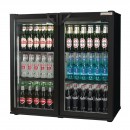
 Bottle Coolers & Beer Fridges
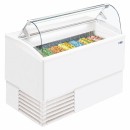 Ice Cream Displays
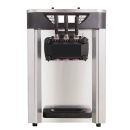 Ice Cream Machines
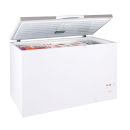 Chest Freezers
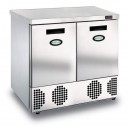 Commercial Freezers
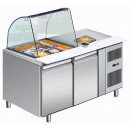 Commercial Fridges
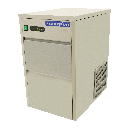 Ice Cube Makers and Flakers
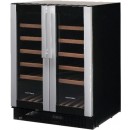 Wine Coolers
 Bain Maries
 Commercial Microwaves
 Commercial Sinks
 Commercial Ovens
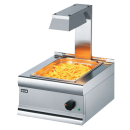 Fryers and Chip Scuttles
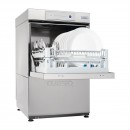 Glass and Dishwashers
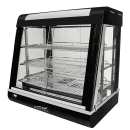 Pie Warmers & Hot Food Displays
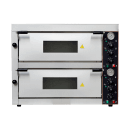 Pizza Ovens
 Water Boilers
 Bar Supplies
 Bowls & Display Baskets
 Cash Registers
 Chafing Dish Sets & Fuel
 Menus & Boards
 Table Numbers & Stands
 Salt, Pepper & Spice Mills
 Crockery
 Cutlery
 Glassware
 Wine Glasses
 Bins
Bins Cleaning Chemicals
 GreasePak
 Janitorial Equipment
 Laundry Equipment
 Coffee Machines
 Juice Dispensers
 Juicers
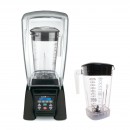 Drink Blenders
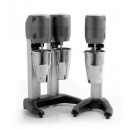 Milkshake Blenders
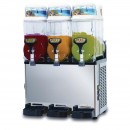 Slush Machines
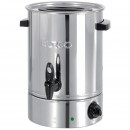 Water Boilers
 Cookware
 Gastronorm Containers
 Ingredient Bins
 Pastry & Baking
 Utensils
 Pizza Pans & Equipment
 Food Storage
 Food Transport & Delivery Bags
 Folding Furniture
 Garden and Outdoor Furniture
 High Chairs
 Chairs
 Tables
Food Graters
Commercial food graters are the unsung heroes of professional kitchens across the UK, designed specifically for restaurants, catering companies, and food production facilities needing to process ingredients quickly and consistently. These professional-grade workhorses feature durable stainless steel construction and high-capacity designs that make light work of cheese, vegetables, and other foods—perfect for busy service periods. After 50 years supplying commercial kitchens, we've seen how these graters dramatically reduce prep time when paired with food processors or commercial slicers in the production line. Whether you're grating mountains of cheddar for a busy pizza restaurant or preparing vegetables for a hotel buffet, a quality commercial grater transforms tedious kitchen tasks into quick, efficient operations!
Shop By
-
 £733.81 £1,100.71
Commercial Electric Cheese Grater | Professional Cheese Shredder | Continuous Operation | Sirman GP GK053
8kg310H x 250W x 290D mm
Sirman
Able to grate cheese to a fine powder
Hopper press keeps hands away from internal mechanisms
Commercial Food Graters for Restaurants & Professional Kitchens
Explore More About Food Graters
Get expert guidance, see real chef stories, and find answers to your most common questions.
Brands Trusted by Industry Professionals
Key Features and Benefits
- Stainless Steel Construction Rust-resistant, food-safe material built to withstand daily kitchen battles.
- Interchangeable Blades Swap between fine, medium and coarse gratings—versatility in one tool.
- High Capacity Design Process large volumes quickly—perfect for busy service periods.
- Ergonomic Handles Comfortable grip reduces staff fatigue during repetitive grating tasks.
- Quick Food Processing Grates in seconds—dramatically cuts prep time.
- Easy Cleaning System Removable parts for thorough sanitizing—maintains food safety standards.
- Consistent Results Uniform grating every time—ensures recipe precision.
- Durable Mechanisms Built for commercial use—lasts years with proper care.
Too busy to read? Listen instead.
In this episode of The Deep Dive, explore commercial graters—from heavy-duty box tools to electric shredders. We cover ergonomic design, food prep speed-ups, multi-use options, and hygiene tips to power up your kitchen’s performance.
12.36min | Expert-led | Real-world advice
0:00: Welcome to the deep dive.
0:01: This is where we take your sources, plunge right in, and try to pull out the the most important stuff, the insights.
0:08: And sometimes, you know, the, the really surprising things.
0:11: Today we're looking at something maybe a bit overlooked, commercial food graters.
0:17: Now you might think, a grater, what's the big deal?
0:20: But these aren't the ones you have kicking around in your kitchen drawer at home.
0:24: No, not at all.
0:25: These are proper industrial machines.
0:28: Exactly.
0:29: They're designed for serious scale, serious precision, the kind of thing that, frankly, would blow most home cooks away.
0:36: So our mission really with this deep dive using the sources we've got, is to figure out why these graders are actually way more critical.
0:42: , more versatile and honestly more interesting than you probably imagine.
0:47: Yeah.
0:47: We want to help you get a handle on their impact, you know, on kitchen efficiency, on food quality, even a little bit on food history.
0:55: It's true, they often just blend into the background, don't they?
0:57: Seem quite mundane.
0:58: But when you look closer, they're absolutely central to how high volume kitchens work.
1:05: They offer some, well, pretty surprising insights into the precision needed, the operational demands.
1:11: It shows how even simple seeming tools can be real game changers.
1:15: Absolutely.
1:16: And the sources we have cover a lot of ground technical stuff, how they're used day to day, even some history bits that really put it all in perspective.
1:23: OK, so let's let's get into it.
1:25: Let's unpack this.
1:26: Where do we start?
1:27: What are these things fundamentally?
1:29: OK, so, at their core, commercial food graders are, well, professional grade machines.
1:34: They're specifically built for the relentless pace you find in restaurants, catering outfits, big food production places, their main job.
1:41: To process ingredients quickly and crucially consistently.
1:44: We're talking cheese, obviously, but also vegetables, chocolate, nuts, mountains of cheese, I'm picturing, literally mountains sometimes, yeah.
1:52: And what's really key is how much prep time they slash, especially if you integrate them properly, maybe alongside food.
1:57: Food processors or commercial slicers and a kind of production line set up, that's when they become incredibly powerful for efficiency.
2:04: Right, like that busy pizza place needing, I don't know, hundreds of pounds of mozzarella grated tonight or a hotel prepping veg for a huge buffet, doing that by hand.
2:14: It's just not feasible to be a massive bottleneck.
2:17: Completely impossible at that scale, and the way they work is pretty simple but really effective.
2:23: Most use these super sharp perforated stainless steel plates or sometimes interchangeable drums or discs.
2:30: And when you press the food against those surfaces, either by hand or with a motor.
2:35: The sharp edges just sliced right through.
2:37: You get incredibly uniform shreds or rates, and the, you know, the higher end models.
2:43: They give you loads of options, fine powder textures right up to quite chunky grates.
2:48: Chefs get a lot of versatility.
2:50: So it's definitely not just about rough shredding then.
2:53: It's precision.
2:53: It's the engineering.
2:55: What is it that really makes these things commercial grade?
2:58: What sets them apart?
2:59: Yeah, that's where it gets interesting.
3:00: It's the features driven by that engineering.
3:02: First off, stainless steel construction, that's basically non-negotiable.
3:05: It resists rust.
3:06: It's food safe, obviously, and it's just built tough for daily kitchen use.
3:11: But there's more to it.
3:12: Stainless steel naturally inhibits bacterial growth.
3:15: That's not just about being clean.
3:17: It kind of reflects this bigger shift in kitchens towards like a scientific approach to hygiene.
3:23: It goes way beyond just wiping down a surface.
3:26: OK, that makes sense.
3:27: What else?
3:28: Then you've got the interchangeable blades or drums that gives you huge versatility, fine, medium, coarse, whatever the dish needs.
3:36: Their high capacity design is obviously critical for churning through large volumes fast, especially when service gets busy.
3:43: A lot of them have ergonomic handles, which might sound small, but if you're grading for hours, it really cuts down on staff fatigue, I bet.
3:51: And all this adds up to quick food processing, like cutting prep time by potentially up to 75%.
3:56: 55%.
3:57: Wow.
3:58: Yeah.
3:58: And then there's the easy cleaning system.
4:00: Removable parts are vital.
4:02: You need to be able to sanitize thoroughly for food safety.
4:05: The consistent results are key too.
4:07: Uniform grading means recipe precision, better presentation, even more consistent cooking times.
4:13: And finally, just the durable mechanisms.
4:15: They're built to last for years in a commercial setting, if you look after them, makes them a smart investment.
4:21: A 75% time saving isn't just like an improvement.
4:25: That fundamentally changes how a kitchen operates.
4:28: It totally clicks with that quote we found from Charlotte Westwood, the chef Tool specialist.
4:33: She said,, graders might not be glamorous, but a sharp, sturdy one can save you loads of prep time, especially when you're knee-deep in service.
4:43: Go for stainless steel and ergonomic handles, your knuckles will thank you later.
4:47: Sage advice.
4:48: Definitely.
4:49: And if you think about the bigger picture for a kitchen's operation, choosing the right grater isn't a small decision.
4:55: It's actually quite strategic.
4:56: It hits Efficiency, staff well-being, everything.
4:59: It really is.
5:00: So, OK, let's say you're running a kitchen or thinking about setting one up.
5:04: What are the absolute must knows when you're looking to buy one of these?
5:08: Right, practical stuff.
5:08: Well, first thing is definitely capacity and size.
5:11: You absolutely have to match the model to how much food you'll actually be grading.
5:15: Makes sense.
5:16: A big restaurant needs a high capacity unit, obviously.
5:19: A smaller cafe might be more focused on, say, a compact design that fits the counter space they have.
5:27: Oh, and also think about the collection container size.
5:30: If it's too small, you're emptying it constantly, which slows things down.
5:34: Good point.
5:34: And what about how they work?
5:36: Manual versus electric, that kind of thing?
5:38: Yeah, that's the next big one.
5:39: Operation type and features.
5:41: You need to weigh up manual.
5:42: versus electric based on your volume.
5:45: Think about the blade variety too.
5:47: Do you just need standard shreds or do you need like special disks for specific things?
5:52: And some setups even combine grading with a food processor that gives you even more flexibility in one machine.
5:58: And we absolutely have to talk about safety.
6:01: It's crucial with sharp kit like this.
6:04: There are some key rules, always, always use the food pushers or guards that come with it.
6:08: They're there for a reason to protect fingers.
6:11: Make sure the machine is stable on the counter before you start.
6:13: Don't want it sliding.
6:14: Around handling the blades always grip the non-sharp edges.
6:18: They are incredibly sharp.
6:19: If it's electric, unplug it before you clean it or do any maintenance.
6:23: Sounds obvious, but easy to forget in a rush.
6:25: Exactly.
6:26: Proper staff training is vital too on how to use it correctly and safely.
6:30: And finally store them with the blade guards on.
6:33: Protects the blades, protects people.
6:35: That's all really solid practical advice.
6:37: So once a kitchen has the right grater, how do they get the absolute best out of it day to day?
6:42: Any top tips?
6:44: Yeah, a few things.
6:45: For manual ones, use firm, steady pressure.
6:48: But let the blade do the cutting.
6:50: Don't try and force it.
6:51: A really good tip, especially for cheese, is keep it chilled.
6:55: Grate it straight from the fridge.
6:57: You get much cleaner cuts that way.
7:00: and always, always clean it straight after you use it.
7:03: Don't let food dry on there.
7:04: It becomes a nightmare to clean and isn't hygienic, right?
7:07: Nightmare.
7:08: For electric models, the key is never force food down the feed tube.
7:12: Always use the pusher, it's safer and gives more consistent results.
7:15: You know, thinking of grating hard cheese by hand for just one meal at home makes my arm ache.
7:22: I can only imagine the strain on kitchen staff before these machines were common.
7:26: But speaking of the past, this bit blew my mind.
7:29: Did you know commercial graders apparently evolved from Like 16th century woodworking tools.
7:36: Isn't that fascinating?
7:37: And it's not just like a fun fact.
7:40: It kind of speaks to how fundamental mechanical principles can be, you know, the simplest, most robust ideas often last centuries.
7:48: Some innovations are really just refinements of old solutions that still work perfectly well for modern problems.
7:54: That's a great point, and the efficiency gain is just wild.
7:57: Our sources say a pro chef with the right machine can grate 5 kg of cheese in like 10 minutes astonishing, yeah, and it's not just cheese, right?
8:05: You mentioned that they're great for citrus s, chocolate shavings, nuts, very versatile.
8:10: Absolutely.
8:11: That versatility is why so many places rely on them.
8:14: Restaurants, obviously, especially pizza joints, Italian places, they need high volume cheese greeting.
8:19: Bakeries use them a lot for zesting citrus, grading chocolate for decorations, hotels for prepping big quantities for buffets, even catering companies.
8:29: They often have portable ones for doing prep on site, shows how adaptable they are.
8:33: We even found this great real world example, a pizzeria in Birmingham.
8:39: They were apparently drowning in manual grading hours every single day just for mozzarella and cheddar.
8:45: They invest in a high capacity commercial grater, one with a food processor attachment to it, and it's just it completely changed their kitchen.
8:51: And it wasn't just about grading faster.
8:54: It shows how putting money into what seems like basic infrastructure can have these huge ripple effects.
8:59: It cut labor costs, yeah, but also improve the consistency of their pizzas, which customers actually noticed.
9:05: The owner literally called it a game changer, said prep time dropped by 70%.
9:10: Huge savings on staff hours, better pizzas, happier customers.
9:14: That story really backs up what Chef Marcus, that equipment specialist we mentioned, said.
9:18: His point was.
9:19: A quality grader is about consistency and speed.
9:21: The right commercial grader can cut prep time in half while ensuring uniform results that affect both presentation and cooking times.
9:29: Spot on.
9:30: OK, let's tackle some common questions people might have if they're thinking about getting one for their kitchen.
9:35: First one, best type for a really busy pizza place.
9:39: , for that kind of heavy cheese use, high capacity drum graders are usually the way to go, most efficient.
9:46: And how do you clean them properly again?
9:48: Warm soapy water immediately after use gets everything off before it dries hard, much easier, much more hygienic.
9:55: Our electric models.
9:56: Really worth the extra cost for high volume kitchens?
9:59: Absolutely, yes, they save so many labor hours and boost consistency.
10:02: The upfront cost pays itself back pretty quickly.
10:05: How long do the blades usually last on these things?
10:07: Good quality stainless steel blades, they can last for years if you look after them properly.
10:12: Treat them right, keep them sharp.
10:14: Can they handle the really hard stuff like Parmesan?
10:17: Oh yeah.
10:18: Professional models are designed for that.
10:20: Unlike a lot of domestic ones that might struggle, these power through hard cheeses, no problem.
10:25: And just to be clear, what is the main difference between a commercial grater and when you'd buy for home, apart from the price?
10:31: The big things are capacity, shared durability, and really importantly, food.
10:37: Safety compliance.
10:39: Commercial ones are built for constant heavy use.
10:41: They have to meet strict hygiene rules, and they're just engineered for much higher throughput than anything you'd need at home.
10:47: Got it.
10:48: So, summing up the benefits, massive time saver and prep, super consistent results, and built like tanks to last.
10:56: The sources did mention downsides, mainly the initial investment for a quality one, and the fact you have to clean them properly straight away.
11:03: True, they need that immediate cleaning.
11:05: But the benefits usually far outweigh those points in a pro setting, and those testimonials really drive it home.
11:11: Marco, head chef at Bella Cucina in Glasgow.
11:14: Our kitchen prep time has halved since getting this brilliant crater.
11:17: Simple as that.
11:18: Yeah.
11:19: And James from the cheese Bar in London.
11:21: Sturdy bit of kit that handles our 50 kg cheese prep weekly without complaint.
11:25: 50 kg a week.
11:26: That says it all, really, reliability under pressure.
11:29: So we've definitely gone deep on commercial food graters, revealed, I think, their surprising depth and just how vital they are, from their, you know, clever mechanics with roots way back in history, to the massive impact they have on how modern kitchens run efficiently.
11:44: And the quality of the food itself, they're pretty remarkable tools when you stop and think about it.
11:48: Indeed they are.
11:49: And digging into the details of kit that seems mundane, like a grater, it often gives you these fascinating insights into operational excellence, doesn't it?
11:57: And how even everyday tools keep evolving.
12:00: It underlines that quality equipment.
12:02: Yeah, it's an investment, but it pays you back consistently in time saved, in reliable results, even in staff morale, frankly.
12:09: So what's the takeaway for you?
12:11: Listening?
12:12: Me, the next time you're enjoying a perfectly grated bit of Parmesan or some uniformly shredded veg in a salad.
12:18: Take a second to consider the the unsung hero behind it, that sturdy, surprisingly complex machine doing the hard work.
12:25: Perhaps it's just a reminder that real efficiency, real cleverness, often lies hidden in the humble tools we just take for granted every day.
12:32: Maybe look around and see what other small impactful bits of tech you notice.

Essential Buying Considerations
Capacity and Size
- Consider food volume—large restaurants need high-capacity models.
- Check counter space—compact units work in tight kitchens.
- Look at collection container size—affects continuous operation time.
Operation Type and Features
- Choose manual or electric based on volume needs.
- Assess blade variety for menu versatility.
- Consider food processors for integrated grating solutions.
How Commercial Food Graters Work
Professional food graters operate on a brilliantly simple yet effective principle. Most commercial models feature razor-sharp perforated stainless steel plates with various-sized holes or specialized cutting patterns. When food is pressed against these surfaces and moved across them—either manually or through mechanical power—the sharp edges slice through ingredients, producing uniform shreds, grates, or slices. High-end models often feature interchangeable drums or discs for different textures, from fine powder to chunky grates. Many units incorporate ergonomic handles, food pushers, and collection containers to maximize efficiency and safety during high-volume food preparation—essential when you've got orders flying in!

Trusted Insights from Charlotte Westwood

Chef Tools & Kitchenware Specialist
10 years experience
"Graters might not be glamorous, but a sharp, sturdy one can save you loads of prep time—especially when you're knee-deep in service. Go for stainless steel and ergonomic handles; your knuckles will thank you later!"
Safety Guidelines
- Use Food Guards Always use the provided pushers—protects fingers.
- Secure Grater Ensure stability on work surface—prevents accidents.
- Mind Blade Edges Handle blades by non-sharp edges—they're razor sharp.
- Unplug When Cleaning Disconnect power before maintenance—standard safety.
- Train Staff Ensure proper technique training—prevents injuries.
- Safe Storage Store with blade guards in place—protects everyone.
Top Tips for Using Commercial Food Graters
For optimal performance, always use firm pressure when feeding food into manual graters, and let the blade do the work rather than applying excessive force. Keep ingredients chilled for cleaner cuts—especially cheese, which grates best straight from the refrigerator. Clean your grater immediately after use to prevent food from drying and sticking to the blades. For electric models, never force food through the feed tube, and always use the provided food pusher to protect your hands and achieve consistent results.
Benefits of Using Commercial Food Graters
- Time Efficiency Cuts prep time by up to 75%—speeds service.
- Consistent Quality Uniform grating improves dish presentation and texture.
- Reduced Waste Maximizes ingredient usage—boosts profit margins.
Did You Know?
- History Commercial graters evolved from 16th-century woodworking tools.
- Productivity A pro chef can grate 5kg of cheese in 10 minutes with the right equipment.
- Hygiene Stainless steel naturally inhibits bacterial growth—safer food prep.
- Versatility Beyond cheese, they're brilliant for citrus zest, chocolate, and nuts too.



Expert Insights on Commercial Food Graters
Having equipped thousands of kitchens across the UK, we've learned what makes the difference in food preparation equipment. 'A quality grater is about consistency and speed,' says Chef Marcus, our equipment specialist. 'The right commercial grater can cut prep time in half while ensuring uniform results that affect both presentation and cooking times.'
- Pros: Dramatically speeds prep, consistent results, built to last.
- Cons: Quality models require investment, need proper cleaning after each use.
Who Needs Commercial Food Graters?
- Restaurants Essential for pizza places and Italian restaurants—high-volume cheese grating.
- Bakeries Perfect for zesting citrus and grating chocolate—adds finishing touches.
- Hotels Ideal for buffet preparation—handles large quantities efficiently.
- Catering Companies Portable options suit on-site food preparation—versatile solutions.

Real-World Success with Commercial Food Graters
A busy pizzeria in Birmingham was struggling with cheese preparation, with staff spending hours hand-grating mozzarella and cheddar. After investing in a high-capacity commercial grater from us, paired with a food processor attachment, they transformed their operation. 'It's been a game-changer,' the owner told us. 'We've cut our prep time by 70% and saved on staff hours. The consistency means our pizzas cook more evenly too—customers have actually noticed the difference!'

FAQs
- What's the best commercial grater for a busy pizza restaurant? Look for high-capacity drum graters—they handle large cheese volumes efficiently.
- How do you clean commercial graters properly? Use warm soapy water immediately after use—prevents food cementing onto blades.
- Are electric graters worth the investment? For high-volume kitchens, absolutely—they save countless labor hours.
- How long do commercial grater blades typically last? Quality stainless steel blades last years with proper care and regular maintenance.
- Can commercial graters handle hard cheeses? Yes, professional-grade models are designed specifically for hard cheeses like parmesan.
- What's the difference between commercial and domestic graters? Commercial models offer higher capacity, durability, and food safety compliance—worth the investment.
Looking for Equipment by Business Type?
Not sure where to start? Whether you're running a bustling café, opening a pizzeria, or managing a school canteen, we've made it easy to shop by business type. Explore handpicked equipment bundles and essentials tailored to your industry—saving you time and making sure you get exactly what you need.
Other Categories You Might Find Useful
We’ve selected some closely related categories that might be essential for your setup. Whether you’re expanding your kitchen or just making sure you’ve got everything covered, these links will help you explore more equipment that fits your needs.
Commercial Food Display Cabinets for Restaurants & Cafés Commercial Food Preparation Equipment for Restaurants & Caterers Commercial Food Storage Solutions for Restaurants & Catering Commercial Kitchen Scissors & Shears for Restaurants & Caterers Commercial Spray Bottles for Cleaning & Food Service Commercial Food Processors for Restaurants & Professional Kitchens Commercial Kitchen Equipment Special Offers & Discounts Professional Chef Supplies & Kitchen Equipment for Restaurants
What our Customers Say
'Our kitchen prep time has halved since getting this brilliant grater!'
M Marco Head Chef, Bella Cucina, Glasgow'Sturdy bit of kit that handles our 50kg cheese prep weekly without complaint.'
J James Operations Manager, The Cheese Bar, London
Why Choose EasyEquipment for Commercial Food Graters?
- Trusted Supplier 50 years supplying UK kitchens—we know what works.
- Fast Delivery Next-day options across the UK—get cooking quickly.
- Best Price Promise Find it cheaper elsewhere? We'll match it—guaranteed value.
- Expert Support Speak with equipment specialists—no call centres, just knowledge.
Ready to Explore Commercial Food Graters?
Browse our comprehensive range of professional kitchen graters designed for commercial performance. With options for every kitchen size and requirement, plus our 50 years of expertise backing your purchase, you're just clicks away from transforming your food prep efficiency!