
 Bottle Coolers & Beer Fridges
 Ice Cream Displays
 Ice Cream Machines
 Chest Freezers
 Commercial Freezers
 Commercial Fridges
 Ice Cube Makers and Flakers
 Wine Coolers
 Bain Maries
 Commercial Microwaves
 Commercial Sinks
 Commercial Ovens
 Fryers and Chip Scuttles
 Glass and Dishwashers
 Pie Warmers & Hot Food Displays
 Pizza Ovens
 Water Boilers
 Bar Supplies
 Bowls & Display Baskets
 Cash Registers
 Chafing Dish Sets & Fuel
 Menus & Boards
 Table Numbers & Stands
 Salt, Pepper & Spice Mills
 Crockery
 Cutlery
 Glassware
 Wine Glasses
 Bins
Bins Cleaning Chemicals
 GreasePak
 Janitorial Equipment
 Laundry Equipment
 Coffee Machines
 Juice Dispensers
 Juicers
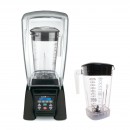 Drink Blenders
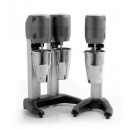 Milkshake Blenders
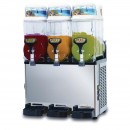 Slush Machines
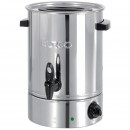 Water Boilers
 Cookware
 Gastronorm Containers
 Ingredient Bins
 Pastry & Baking
 Utensils
 Pizza Pans & Equipment
 Food Storage
 Food Transport & Delivery Bags
 Folding Furniture
 Garden and Outdoor Furniture
 High Chairs
 Chairs
 Tables
Spice Grinders
Commercial spice grinders transform kitchen operations for UK restaurants, food manufacturers, and catering businesses serious about authentic flavour. These robust machines crush and mill spices with precision you simply can't achieve with pre-ground alternatives. From compact electric models to heavy-duty industrial grinders with impressive throughput capacity, they deliver consistent texture every time. After 50 years supplying professional kitchens, we've seen how these grinders have become particularly essential for Indian restaurants, artisan spice merchants, and large-scale food producers—working brilliantly alongside commercial blenders for comprehensive food preparation. Freshly ground spices aren't just about superior taste—they're about giving your business a genuine competitive edge!
Shop By
Commercial Spice Grinders for Restaurants & Food Manufacturers
Explore More About Spice Grinders
Get expert guidance, see real chef stories, and find answers to your most common questions.
Brands Trusted by Industry Professionals
Key Features and Benefits
- Adjustable Grinding Settings Fine-tune texture from coarse to powder-fine—perfect control for different dishes.
- Versatile Spice Handling Processes everything from soft cardamom to rock-hard nutmeg without strain.
- Durable Construction Heavy-duty stainless steel and hardened components stand up to commercial use.
- High-Output Capacity Grinds volumes quickly—keeps production flowing during peak service.
- Heat Dissipation Technology Prevents flavour-damaging overheating during extended use.
- Non-Contamination Design Prevents flavour transfer between spice batches—crucial for food purity.
- Easy-Clean Components Disassembles for thorough cleaning—maintains hygiene standards.
- Long Service Life Built for years of daily commercial grinding with minimal maintenance.
Too busy to read? Listen instead.
In this episode of The Deep Dive, discover how commercial spice grinders elevate kitchens—from variable grind textures and heat control to cost savings, kitchen speed, and authentic flavor that sets your menu apart.
13.34min | Expert-led | Real-world advice
0:00: Have you ever walked into, say, an authentic Indian restaurant, maybe Middle Eastern, or even a really great Asian place, and that incredible smell just hits you.
0:11: Oh yeah, that deep, vibrant kind of flavor profile.
0:15: Exactly, the kind that seems almost, well, impossible to get right in your own kitchen.
0:20: It really does.
0:20: You always wonder what is their secret?
0:23: It's a classic food mystery, isn't it?
0:25: And you know, what if I told you the key isn't always some secret.
0:29: Family recipe or like an exotic spice blend, but actually a piece of equipment.
0:36: Something pretty fundamental that honestly a lot of home cooks and maybe even some smaller food businesses just overlook.
0:42: OK, now I'm definitely intrigued.
0:44: So today we're diving deep into something that seems pretty foundational for those amazing flavors commercial spice grinders.
0:51: We're going to explore how these, well, pretty robust machines aren't just a handy thing to have, but a genuine competitive edge, how they really transform kitchens for restaurants, food makers, caterers.
1:03: Right here in the UK.
1:04: Exactly.
1:05: So our mission for you, the listener, in this deep dive, is really to pull back the curtain a bit.
1:09: We've gathered insights from equipment suppliers, chef specialists, even some real world business success stories.
1:16: And we want to uncover what makes freshly ground spices so, so much better.
1:21: The actual practical benefits for a business.
1:24: And crucially, what you need to think about if you're looking to unlock those flavors yourself.
1:29: OK, let's jump right in then, because one of the things I found really surprising from our sources was about spices and, well, freshness.
1:36: When it comes to flavor, what's the actual cost of just using pre-ground stuff?
1:41: It's honestly, kind of staggering when you think about it.
1:44: Imagine.
1:45: You open a, I don't know, a really nice bottle of wine, let it breathe for a bit, and then just pour like 60% of it down the drain 30 minutes later.
1:54: Wow.
1:54: That's basically what happens with ground spices that amazing aroma, the flavor.
1:59: It just vanishes.
2:00: Our sources show that ground spices can lose a whopping 60% of their flavor within just half an hour being grounded.
2:06: 60% in 30 minutes.
2:07: It's huge.
2:08: It's huge.
2:09: It's not a small loss.
2:11: It's like a catastrophic breakdown of what makes a dish special.
2:15: And that is the problem.
2:17: grinders solve.
2:17: They don't just keep things fresh, they capture flavor that was essentially being lost before, turns an invisible cost into, oh, a real competitive edge.
2:25: So it's less about the grinding itself and more about the timing, getting those volatile compounds out right at the peak moment.
2:33: Spot on, it's about timing.
2:35: Does that mean the way these machines work is fundamentally different from, say, that little grinder you might have at home?
2:41: Yeah, I was wondering that.
2:42: Absolutely.
2:43: What's really fascinating is how they're engineered.
2:45: They release those aromatic oils just before cooking.
2:49: That's where that superior taste really comes from.
2:51: And trust me, customers genuinely notice.
2:54: We spoke to Raj, an equipment specialist, and he put it so simply.
2:58: The difference between pre-ground and freshly ground spices.
3:01: It is night and day.
3:02: Night and day, that's pretty clear.
3:04: And then Charlotte Westwood, she's a specialist in chef tools and kitchenware.
3:08: She really emphasized consistency.
3:10: She said, and I quote, When you're grinding spices in bulk, consistency is everything.
3:16: Cheap grinders just won't cut it, literally.
3:20: Yeah, I can see that, and I, I can definitely see how that consistent.
3:24: Fresh release of flavor becomes, as our sources put it, the foundation of flavor, especially in, say, commercial, Indian, or Middle Eastern cooking.
3:34: It's not just a nice extra, it's core.
3:36: It is absolutely fundamental, but, you know, the flavor transformation.
3:40: While undeniable, isn't the only story here, because what's really interesting is how this culinary upgrade translates directly to the bottom line.
3:47: Let's talk about the cold hard numbers.
3:48: OK, so savings, how much are we really talking?
3:51: Because significant can mean very different things depending on the business size, right?
3:55: Good question.
3:56: Our sources show that buying whole spaces in bulk can save businesses, well, quite a lot, up to 40% compared to buying pre-ground.
4:04: 40%, wow.
4:05: Yeah.
4:06: Think about that.
4:07: For a busy restaurant or a food manufacturer, or a catering outfit, that's not just a one-off saving, it's ongoing.
4:14: It's a really excellent long-term financial boost that properly adds up over the year.
4:19: OK, 40% is definitely impressive.
4:22: But how does that saving plus the better flavor actually help a business stand out, you know, in what's often a really crowded market, how does it become a unique selling point?
4:31: Right, this is where menu differentiation really kicks in.
4:34: If you're using freshly ground spices, you can offer these authentic signature flavors, flavors that competitors using pre-ground stuff just can't replicate.
4:43: It's like having a secret weapon that lifts every dish, it creates a distinct identity, and customers who are looking for those genuine vibrant flavors.
4:51: They'll actively seek you out.
4:53: We saw a really powerful real world example of this, didn't we?
4:56: Spice Fusion, that busy restaurant in Birmingham, a great case study.
4:59: They were facing a common issue inconsistent flavors, high costs from buying pre-ground all the time.
5:04: So what they did was invest in an industrial grade grinder, a big, a big step, yeah.
5:11: And it totally changed things.
5:12: They started grinding their own signature masala blends fresh every single day, and the result, it was almost immediate.
5:19: Customers noticed.
5:21: The TripAdvisor reviews started mentioning vibrant flavors.
5:24: Wow.
5:25: And directly because of this change, they cut their spice costs by nearly 30%.
5:30: That's a huge impact both on the plate and in the bank.
5:33: That spice fusion story really sums up the impact, doesn't it?
5:37: But how do they actually do that?
5:38: What's the the engineering magic under the hood that lets them deliver that quality day in, day out?
5:44: That's a great question because these aren't just scaled up versions of a home grinder, are they?
5:48: What makes them so tough?
5:50: Exactly.
5:50: They're built differently.
5:51: Under the hood.
5:52: They are well built for battle, really.
5:55: You've got robust grinding mechanisms, usually heavy duty stainless steel burrs or blades, but the key thing is they're driven by high torque motors.
6:03: High torque.
6:03: OK, what does that mean in practice?
6:05: It's not just jargon.
6:06: It means they can keep delivering consistent power, even when they're dealing with tough, dense, whole spices, like cinnamon bark or starise.
6:15: The motor doesn't bog down or overheat, even if it's running for hours, which is exactly what a busy commercial kitchen needs.
6:22: Right, so built for endurance and power, you mentioned burrs and blades.
6:26: Is one generally better than the other for spices, or does it depend?
6:29: Good point.
6:30: There are generally those two main types, bird grinders.
6:34: They're often seen as giving more consistent texture control.
6:37: The spices pass between two abrasive surfaces, so you get a very uniform grind.
6:42: Blade cutting systems, on the other hand, tend to be a bit more affordable.
6:45: They can be very efficient, but some people find them slightly less consistent if you need a really, really fine powder.
6:51: But what truly makes the commercial models stand out are the advanced features, like being able to adjust.
6:56: The grind size, I guess, coarse to fine?
6:59: Precisely.
7:00: Variable grind settings are pretty standard.
7:02: So you can go from a coarse chop for, say, pickling spices right down to a superfine powder from masalas or smooth curry pastes.
7:09: Makes sense.
7:10: And another critical feature, cooling systems, really sophisticated ones sometimes.
7:14: They might use internal fans or special vents to actively get rid of heat.
7:19: Why does heat matter so much with spices?
7:21: Because heat is the enemy of those volatile oils.
7:24: It essentially quips them off, dulls the flavor before it even gets near the pan.
7:29: So this heat dissipation technology, as they call it, keeps the spices cool, preserving all those precious aromas.
7:35: Huh.
7:36: Like a little air conditioner just for your spices, making sure the flavor molecules don't get damaged.
7:40: Kind of, yeah.
7:41: And what about managing different flavors?
7:43: I mean, I can imagine a strong curry blend sticking around and affecting your next batch of, I don't know, delicate cardamom.
7:51: Oh, yeah, good point.
7:52: Cross contamination.
7:53: You've nailed a crucial point for any busy kitchen, non-contamination designs.
7:58: This basically means the grinding chamber is designed so you can clean it quickly and thoroughly.
8:03: Often parts are easily removable.
8:05: So you can switch from pungent cloves to delicate cardamom without any flavored ghosts hanging around.
8:12: That's clever.
8:12: And here's a fun fact.
8:14: A lot of modern commercial models can even grind coffee beans.
8:18: Yeah, makes them a fantastic dual-purpose buy for cafes, or maybe restaurants that also serve fresh coffee.
8:24: Get more bang for your buck.
8:26: OK, so with all that power and precision available, choosing the right machine for your specific needs seems really important.
8:34: Where does a business even begin when thinking about capacity and size?
8:39: Yeah, it depends entirely on your output needs, you know, a small restaurant might only need a grinder that can handle maybe 1 to 3 kg per hour, something compact for the prep area, whereas food manufacturers.
8:51: They often need much more 5 kg an hour, maybe even higher, just to keep up with production lines and the hopper, the bit you put the spices in.
8:59: Don't forget hopper size.
9:01: Exactly.
9:01: A bigger one means you're not stopping to refill it constantly during a busy service.
9:06: Saves valuable minutes.
9:07: It makes sense.
9:08: And then there's the practical stuff, getting it plugged in, making sure it actually fits the workflow.
9:12: What about power requirements, Placement?
9:14: Good points.
9:15: Power wise, most professional models will need a dedicated 13 amp, maybe even a 16 amp supply.
9:22: So you definitely need to check your kitchen's electrics first, and noise levels.
9:26: That's a really critical factor, especially if you have an open kitchen.
9:29: You really want to look for models that operate under, say, 70 decibels, keep the ambience pleasant.
9:35: Stop staff going mad from the noise.
9:38: Yeah, definitely.
9:39: And for equipment that gets hammered day in and day out in a commercial setting, durability and cleanliness must be top priority.
9:47: What should people look for there?
9:49: Oh, absolutely non-negotiable.
9:50: You need heavy duty stainless steel, hardened components.
9:53: These things are built for commercial life.
9:55: A good quality model should last, you know, 5 to 10 years, even if it's grinding 20 plus.
10:00: Kilos of spices every week.
10:02: And of course, easy clean components are just essential.
10:05: Got to maintain those strict hygiene standards, no nooks and crannies for bacteria to hide.
10:09: So you've got this powerhouse machine in your kitchen.
10:11: What are the key tips for getting the most out of it?
10:14: And equally important, staying safe.
10:16: This is my favorite bit, the practical advice.
10:18: OK, let's dive in.
10:19: Top tips.
10:20: First one.
10:22: Always, always toast your whole spices before grinding.
10:26: OK.
10:26: Why?
10:27: It just dramatically releases the essential oils, improves the flavor profiles massively.
10:32: It's a small step, but it makes a huge difference.
10:35: That's a great tip, even for home cooks, actually.
10:37: It really is.
10:38: Second, clean it thoroughly between different spices, prevents that.
10:43: Contamination we talked about, especially important with really strong spices like cloves or starness.
10:48: You don't want your delicate fennel tasting like last night's vindaloo.
10:51: Definitely not.
10:52: Third, maybe consider grinding in batches during prep time for busy periods, rather than trying to do it constantly on the fly, often more efficient.
11:00: And always use airtight containers to store the ground spices afterwards.
11:04: Keep that freshness locked in.
11:06: Oh, and for high volume places, think about preventative maintenance, maybe every 6 months.
11:11: Keep those grinding parts in top shape, like an oil change for your flavor engine.
11:15: Love that flavor engine and safety.
11:18: What are the absolute must-dos?
11:20: Safety first, always.
11:23: Before you use it each time, just quickly inspect for any loose parts.
11:26: Make sure the lids for the grinding chamber are properly sealed.
11:29: You don't want spice dust flying everywhere.
11:31: Avoid overloading it.
11:33: Stick to the capacity guidelines the manufacturer gives you, otherwise you risk burning out the motor.
11:39: If you are grinding large amounts, maybe wear a mask, protect yourself from inhaling those fine spice particles.
11:45: Good.
11:46: And always, always, power down completely before you start cleaning it, unplug it even better, and just regularly check the cables and connections for any wear and tear, basic electrical safety.
11:57: Makes total sense.
11:58: So, thinking about all this, who really benefits the most from investing in one of these machines?
12:04: Who are the sort of culinary innovators really using this tech?
12:08: Well, it's pretty clear they are absolutely essential for restaurants, particularly those focusing on Indian, Middle Eastern, Asian cuisines, places where fresh ground spices are truly the heart and soul of the menu.
12:18: Food manufacturers too.
12:20: They use them for creating premium spice blends, ensuring quality in their products.
12:25: Catering companies rely on them for big events.
12:27: Consistency is key when you're feeding hundreds.
12:30: And let's not forget, artisan producers, people making small batch specialty foods.
12:36: These grinders let them create unique high quality products that really stand out in those niche markets.
12:42: So, wrapping this up then, our deep dive today has really shown, I think, that investing in a commercial spice grinder, it's clearly about so much more than just buying another bit of kitchen kit.
12:53: It's about fundamentally lifting the flavor profile, setting your menu apart in what's often a tough market.
12:59: And crucially achieving pretty significant cost savings over time.
13:02: It really is one of those hidden workhorses, isn't it?
13:05: Quietly transforming basic ingredients into the very essence of a fantastic dish.
13:10: It really is, which, given that immediate and pretty profound impact on both flavor and cost.
13:16: It makes you wonder, doesn't it?
13:18: What other hidden pieces of pro kitchen equipment might be out there, quietly revolutionizing things behind the scenes, turning everyday stuff into extraordinary experiences right under our noses.
13:30: That's a great thought to end on.
13:31: Something for you to mull over for your next kitchen adventure.

Essential Buying Considerations
Capacity and Size
- Small restaurants: 1-3kg hourly output grinders fit tight prep areas.
- Food manufacturers: Consider 5kg+ hourly capacity for production lines.
- Check hopper size—larger ones need less frequent refilling during service.
Power Source and Usage
- Most professional models need 13A-16A supply—check your kitchen setup.
- Consider noise levels—particularly important in open-kitchen restaurants.
- Look for models with automatic shut-off for unattended operation alongside food processors.
How Commercial Spice Grinders Work
At their core, commercial spice grinders feature robust grinding mechanisms—typically stainless steel burrs or blades—powered by high-torque motors designed for durability. Unlike domestic versions, they're engineered for continuous operation, with many featuring variable grind settings for everything from coarse to fine powder textures. Most models use either burr grinding (where spices pass between two abrasive surfaces) or blade cutting systems. The spices feed into a hopper, pass through the grinding mechanism, and collect in containers below. Advanced models often include cooling systems to prevent heat build-up that could compromise essential oils in spices—preserving those complex flavours that customers can truly taste!

Trusted Insights from Charlotte Westwood

Chef Tools & Kitchenware Specialist
10 years experience
"When you're grinding spices in bulk, consistency is everything—cheap grinders just won’t cut it (literally). Go for a commercial-grade spice grinder that can handle the heat and keep your flavours bang on every time."
Safety Guidelines
- Check Machine Inspect for loose parts before each use—prevents accidents.
- Secure Lids Ensure grinding chamber is properly sealed—stops spice dust.
- Avoid Overloading Follow capacity guidelines—prevents motor burnout.
- Use Protection Wear masks when grinding large volumes—prevents inhalation.
- Power Down Switch off completely before cleaning—prevents injuries.
- Check Connections Ensure cables aren't frayed—prevents electrical hazards.
Top Tips for Using Commercial Spice Grinders
To maximise your grinder's performance and lifespan, always toast whole spices before grinding—it releases essential oils and improves flavour profiles dramatically. Clean thoroughly between different spice types to prevent cross-contamination, especially with strong spices like cloves or star anise. Consider grinding in batches rather than all at once for busy service periods, and pair with airtight storage containers to maintain freshness. For high-volume operations, schedule preventative maintenance every six months to keep grinding mechanisms in top condition.
Benefits of Using Commercial Spice Grinders
- Superior Flavour Profile Releases aromatic oils just before cooking—taste customers notice.
- Menu Differentiation Offers authentic, signature flavours competitors can't match.
- Cost Effectiveness Whole spices cost less than pre-ground—excellent savings long-term.
Did You Know?
- Freshness Factor Ground spices lose 60% of flavour within 30 minutes—commercial grinders preserve this.
- Durability Quality commercial grinders handle 20+ kg weekly for years.
- Versatility Modern models grind coffee beans too—dual-purpose for cafés.
- Savings Buying whole spices in bulk saves up to 40% versus pre-ground.


Expert Insights on Commercial Spice Grinders
Having supplied spice grinders to top UK restaurants for decades, we've gathered plenty of insights. 'The difference between pre-ground and freshly ground spices is night and day,' explains Raj, our equipment specialist. 'In commercial Indian and Middle Eastern kitchens, investing in a quality grinder is as crucial as a good oven—it's the foundation of flavour.'
- Pros: Superior flavour extraction, rapid throughput, consistent results.
- Cons: Requires regular cleaning between batches—factor in maintenance time.
Who Needs Commercial Spice Grinders?
- Restaurants Essential for authentic Indian, Middle Eastern and Asian cuisine.
- Food Manufacturers Critical for premium spice blends and food products.
- Catering Companies Perfect for high-volume event food with consistent flavour.
- Artisan Producers Ideal for small-batch spice merchants and specialty foods.

Real-World Success with Commercial Spice Grinders
Consider Spice Fusion, a busy restaurant in Birmingham that was struggling with inconsistent flavours and high costs from pre-ground spices. After investing in an industrial-grade spice grinder from us, they transformed their operation. 'We're now grinding our own signature masala blends fresh daily,' says the head chef, who pairs the grinder with their commercial food processor for complete preparation. 'Customers immediately noticed the difference—our TripAdvisor reviews mention the vibrant flavours specifically, and we've cut our spice costs by nearly 30% by buying whole.'

FAQs
- What's the best commercial spice grinder for an Indian restaurant? Look for models with adjustable settings and at least 2kg hourly capacity for busy service.
- How often should I clean my commercial spice grinder? Clean between different spices and thoroughly at the end of each day—maintains flavour purity.
- Can commercial spice grinders handle wet ingredients? Most are designed for dry spices only—use a food processor for wet spice pastes.
- What's the difference between burr and blade grinders? Burr grinders offer more consistent texture control while blade models are typically more affordable.
- How long do commercial spice grinders last? Quality models last 5-10 years with proper maintenance in busy commercial environments.
- Are commercial spice grinders noisy in open kitchens? Look for models with noise-reduction features—typically under 70dB for open kitchen use.
Looking for Equipment by Business Type?
Not sure where to start? Whether you're running a bustling café, opening a pizzeria, or managing a school canteen, we've made it easy to shop by business type. Explore handpicked equipment bundles and essentials tailored to your industry—saving you time and making sure you get exactly what you need.
Other Categories You Might Find Useful
We’ve selected some closely related categories that might be essential for your setup. Whether you’re expanding your kitchen or just making sure you’ve got everything covered, these links will help you explore more equipment that fits your needs.
Commercial Spice Grinders Parts & Accessories Commercial Kitchen Scales & Funnels for Professional Catering Commercial Spice Mills for Restaurants & Kitchens Commercial Grindstone & Sharpening Tools Commercial Spice Racks for Storage Commercial Spice Containers & Jars Commercial Measuring Tools & Utensils Commercial Kitchen Cleaning Products
What our Customers Say
'Our commercial grinder has revolutionised our curry house—the flavours are phenomenal!'
P Patel Restaurant Owner, Leicester'Brilliant bit of kit—handles our production volumes without breaking a sweat!'
M Mahmood Spice Company Director, Glasgow
Why Choose EasyEquipment for Commercial Spice Grinders?
- Trusted Supplier 50 years supplying top UK restaurants—we know proper spice grinders.
- Fast Delivery UK-wide shipping—most orders arrive next business day.
- Best Price Promise Found cheaper? We'll match any genuine competing offer.
- Expert Support Talk to specialists who understand commercial kitchen demands.
Ready to Explore Commercial Spice Grinders?
Discover our range of professional spice grinders built for commercial kitchens and food production. From compact models for cafés to high-capacity systems for manufacturers—elevate your flavour game with equipment that delivers results!