
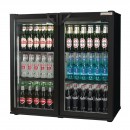
 Bottle Coolers & Beer Fridges
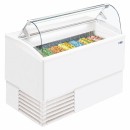 Ice Cream Displays
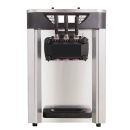 Ice Cream Machines
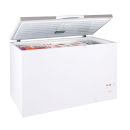 Chest Freezers
 Commercial Freezers
 Commercial Fridges
 Ice Cube Makers and Flakers
 Wine Coolers
 Bain Maries
 Commercial Microwaves
 Commercial Sinks
 Commercial Ovens
 Fryers and Chip Scuttles
 Glass and Dishwashers
 Pie Warmers & Hot Food Displays
 Pizza Ovens
 Water Boilers
 Bar Supplies
 Bowls & Display Baskets
 Cash Registers
 Chafing Dish Sets & Fuel
 Menus & Boards
 Table Numbers & Stands
 Salt, Pepper & Spice Mills
 Crockery
 Cutlery
 Glassware
 Wine Glasses
 Bins
Bins Cleaning Chemicals
 GreasePak
 Janitorial Equipment
 Laundry Equipment
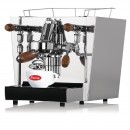 Coffee Machines
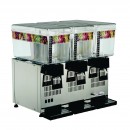 Juice Dispensers
 Juicers
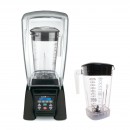 Drink Blenders
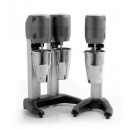 Milkshake Blenders
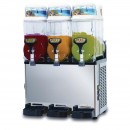 Slush Machines
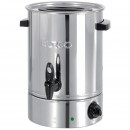 Water Boilers
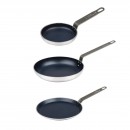 Cookware
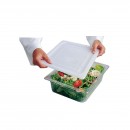 Gastronorm Containers
 Ingredient Bins
 Pastry & Baking
 Utensils
 Pizza Pans & Equipment
 Food Storage
 Food Transport & Delivery Bags
 Folding Furniture
 Garden and Outdoor Furniture
 High Chairs
 Chairs
 Tables
Sandwich Toasters
Commercial sandwich toasters are absolute workhorses for UK cafés, delis, and food service businesses looking to serve perfectly toasted treats. These robust machines offer the reliability and capacity that residential models simply can't match. With heavy-duty construction designed for continuous operation, professional sandwich toasters make quick work of paninis, toasties, and filled sandwiches—all while handling the demands of a busy lunchtime rush. After 50 years of working with cafés across Britain, we've seen how these versatile appliances perfectly complement your coffee machines and food prep equipment, helping to boost menu options and drive profits through consistently delicious results.
Shop By
Commercial Sandwich Toasters for Cafés & Food Service
Explore More About Sandwich Toasters
Get expert guidance, see real chef stories, and find answers to your most common questions.
Brands Trusted by Industry Professionals
Key Features and Benefits
- Adjustable Temperature Control Fine-tune from 50-300°C for perfect results—whether light toasting or thorough cooking.
- Versatile Cooking Surface Smooth or ribbed plates for different finishes—adapts to various menu items.
- Durable Cast Iron Construction Built for thousands of service cycles—withstands daily commercial use.
- Rapid Heat Technology Heats in minutes and recovers quickly—keeps pace during rushes.
- Even Heat Distribution No cold spots mean uniform results—every sandwich perfectly toasted.
- Non-Stick Cooking Plates Easy food release and quick cleaning—saves precious prep time.
- Integrated Drip Tray Captures excess oils and melted cheese—keeps your workspace tidy.
- Commercial-Grade Durability Robust components and professional build—years of reliable service.
Too busy to read? Listen instead.
In this episode of The Deep Dive, we explore commercial sandwich toasters—featuring thermostatic controls, rugged construction, rapid cooking, and energy-smart designs. Learn how the right model boosts efficiency, consistency, and menu potential in café kitchens.
11.02min | Expert-led | Real-world advice
0:00: Welcome to the deep dive.
0:01: Today, we're taking a plunge into a corner of the commercial kitchen you might not give much thought to, but one that's, you know, absolutely foundational for loads of food businesses.
0:10: We're talking about commercial sandwich toasters.
0:13: Now, you might be thinking a toaster, really?
0:15: How deep can we go?
0:17: But honestly, for those bustling cafes, busy delis, and, well, pretty much any food service place in the UK.
0:24: These aren't just appliances.
0:25: They're absolute workhorses, real profit drivers, and surprisingly, quite sophisticated bits of kit.
0:32: That's exactly it.
0:33: And our mission today really is to unpack the key stuff from our source material.
0:36: We're drawing on this really in-depth look from a catering supplier who's been doing this for what, 50 years.
0:42: So by the end, you'll get why these machines are so crucial, how they're fundamentally different from your toast.
0:46: At home and what really makes a good investment for a food business.
0:50: Right.
0:51: And like always, this deep dive is basically your shortcut.
0:54: Get you well-informed fast, we cut through the noise, give you the surprising facts and the practical stuff about this often overlooked piece of equipment.
1:03: So yeah, let's get into what makes these things game changer.
1:05: We hear game changers thrown around a lot, don't we?
1:07: But for a cafe or deli, these commercial toasters, they genuinely fit the bill.
1:12: Our sources, they immediately point out the big difference.
1:15: These commercial models are, well, robust, heavy duty.
1:19: They're designed for continuous use, day in, day out.
1:21: It's just worlds apart from a residential one, isn't it?
1:24: Built to handle, paninis, toasties, filled sandwiches, boom, boom, boom, even during that crazy lunch rush.
1:29: Absolutely.
1:29: And that's not just about, you know, how tough they are.
1:32: It's about keeping the business running smoothly, making more money.
1:35: These things become part of your workflow.
1:37: They fit right in with your coffee machines, your prep stations.
1:40: They let you offer more, which drives profit all because they deliver consistently delicious results reliably.
1:48: Like Oliver Bennett, he's a specialist, commercial catering equipment, got over 12 years under his belt.
1:52: He puts it perfectly.
1:54: He says when it comes to sandwich.
1:55: Posters in a busy cafe.
1:57: Speed and consistency are everything.
1:59: Go for a model that can handle the rush without burning out.
2:02: And he adds, Trust me, a reliable commercial toaster pays for itself in melted cheese and happy customers.
2:08: Melted cheese and happy customers.
2:09: I like that exactly.
2:10: It's that speed, consistency, and toughness.
2:14: That's what makes them an asset, not just an appliance.
2:16: OK, so let's unpack that a bit more.
2:18: It's clearly more than just, you know, a heating element and the switch.
2:22: What are the standout features, the things that really make these commercial units essential for a business?
2:28: Well, it's how several kind of simple sounding features work together.
2:31: First off, adjustable temperature control.
2:34: Being able to dial in the heat precisely, say, from 50 degrees C just to warm something gently, up to maybe 300 degrees C for that perfect sear on a panini, that flexibility is huge, right?
2:46: Different foods need different heat.
2:48: Exactly.
2:49: Then you've got the versatile cooking surface.
2:51: Options for smooth plates, great for even browning or ribbed ones for those classic grill marks, helps strain fat too.
2:57: And a durable cast iron construction is pretty standard.
3:01: These things are built for, well, thousands and thousands of uses, daily grind, you know, thousands.
3:06: Wow, OK, that's definitely commercial grade precisely, and they're built for speed too, right.
3:11: Rapid heat technology.
3:12: It's not just heating up fast initially, though, they do that in minutes.
3:15: It's about recovery.
3:16: They get back to temperature almost instantly after you take a sandwich out.
3:19: Essential during peak times.
3:21: , so no waiting around between toasties.
3:24: None at all.
3:25: And crucially, even heat distribution.
3:28: No cold spots.
3:29: You get uniform results every single time.
3:32: Plus, to save you time, precious Time they usually have nonstick cooking plates.
3:36: Food slides off, cleaning's quicker.
3:38: Anything to make cleaning easier is a win.
3:41: Definitely.
3:41: And there's usually an integrated drip tray too.
3:44: Catches all the escaping cheese and oils, keeps things tidy, put it all together, and that's your commercial grade durability, years of reliable service, minimum fuss.
3:53: OK, we know they're tough, packed with features, but how do they actually work to get those speedy, consistent results and Maybe more importantly for someone listening, what should you think about before actually buying one?
4:05: OK, so how they work is pretty clever but simple.
4:09: You've got two heated plates, usually cast iron or non-stick.
4:12: They close around the sandwich, applying heat and pressure at the same time, but unlike your home toaster, These maintain a really precise temperature, often between 200 and maybe 300 °C.
4:22: They have thermostatic controls, so they react quickly to keep the heat level instantly, yeah, it keeps the temperature spot on, so every sandwich is perfectly toasted, no burning.
4:30: Consistency again.
4:32: And a lot of them have this floating hinge.
4:35: Yeah, it means the top plate kind of adjusts automatically to how thick the sandwich is.
4:39: So whether it's a thin panini or a massive triple decker, you get even pressure, even browning, and if you've got ribbed plates, that's where you get those nice grill marks, the end result.
4:49: A perfectly crisp golden sandwich, usually in just like 2 or 3 minutes, keeps the cube moving.
4:56: Now thinking about buying one, first big thing is capacity and size.
5:00: For a small cafe, maybe a single unit doing 24 sandwiches is fine, but if you're busy, you'll want a double or even a quad model.
5:07: They can handle 4 to 8 sandwiches at once.
5:09: It makes a huge difference, right?
5:11: Scale matters.
5:12: Absolutely.
5:13: And measure your counter.
5:14: These things aren't tiny.
5:16: Bigger ones might need, say, 40 to 60 centimeters of width.
5:19: Then power source and usage.
5:21: Good news is most run on a standard 13 amp plug, you know, your normal UK socket, so easy installation.
5:28: Power wise, we usually suggest looking at models around 1.5 to 3 kilowatts, good balance for all day use without crazy energy bills.
5:35: Oh, and look for ones with independent controls for each side if you get a double.
5:39: That's flexibility.
5:40: Good tip, toast different things at once.
5:43: OK, so we know the tech, the buying points, but this is where it gets really useful for businesses listening.
5:48: Beyond just owning one, how do you get the absolute most out of it?
5:52: Keep it running well.
5:53: Any insider tips?
5:54: Yeah, definitely.
5:55: Smart habits make all the difference.
5:57: first, always preheat.
5:58: Give it a good 1015 minutes before service starts, gets it properly hot for consistent results right away.
6:03: Maybe once a week, a light spray of cooking oil on the plates helps keep that nonstick surface working well long term.
6:09: Cleaning this is crucial.
6:10: Clean it thoroughly after every service, while it's still warm but not scorching hot.
6:15: Stop stuff baking on.
6:16: Makes sense.
6:17: Much easier than scraping cold cheese.
6:19: Oh, way easier.
6:22: also, try to slightly underfill paninas.
6:24: Just stops messy fillings squeezing out everywhere.
6:27: Keep some sandwich paper nearby, good for wrapping, or just handling messy ones, and maybe the biggest thing.
6:33: Organize your sandwich prep area.
6:35: A smooth flow around the toaster makes you so much faster during the rush.
6:40: Great practical advice.
6:41: And you know, digging into this, we found some genuinely surprising facts, stuff you wouldn't expect from a toaster.
6:47: Like, did you know a commercial one works about 3 times faster than your typical home model?
6:51: It's true, and the durability.
6:53: Those professional plates, they're often rated to make over 100,000 sandwiches before needing replacement.
6:58: 100,000.
6:59: That is unbelievable.
7:00: It really is, and they're more versatile than people think.
7:02: You can grill veggies, thin cuts of meat, flatbreads, open some menu ideas, right, not just toasties.
7:09: Definitely not.
7:10: But maybe the most.
7:11: Eye-opening thing.
7:12: The return on investment.
7:13: Most businesses find these units pay for themselves in just 3 to 6 months of regular use.
7:17: 3 to 6 months.
7:19: That's incredibly fast payback.
7:21: It is.
7:21: It's the volume they handle.
7:22: Plus you can usually charge a premium for a freshly made hot sandwich compared to something prepackaged.
7:28: So who's really getting the most benefit here?
7:31: Well, obviously cafes and coffee shops, essential for boosting their food sales.
7:37: Hotels too rely on them heavily for breakfast, room service, sandwich bars, absolutely critical.
7:43: They need that high output for lunch rushes.
7:45: It's core to their whole model, and even food trucks love them.
7:50: super versatile, perfect for limited space.
7:52: Let's make that real.
7:53: There was a great story about a place called the Hungry Bean in Bristol, how they really changed things up.
7:58: Yeah, the Hungry Bean.
7:59: Before they upgraded, they had the usual problems inconsistent quality sometimes long waits during busy periods, queues building up.
8:06: They brought in two double commercial sandwich toasters, put them alongside their coffee setup.
8:10: The result, they literally doubled their sandwich output and cut the cooking time in half.
8:15: Well, doubled output half the time.
8:17: Exactly.
8:18: The owner, Claire, she was over the moon, said something like, We've gone from selling 50 to over 120 toasties daily.
8:25: The quality is spot.
8:26: On every time and we've added 4 new panini options that have become customer favorites.
8:31: It's been brilliant for business.
8:33: That really shows the impact, doesn't it?
8:35: It's not just a machine.
8:36: It transforms the operation.
8:38: Fantastic case study.
8:39: But OK, it's a powerful piece of kit, uses a lot of heat.
8:43: Safety's got to be a major consideration, right?
8:46: What should listeners keep in mind?
8:47: Absolutely.
8:48: Safety first, always.
8:50: basic checks, regularly inspect the cables and plugs, maybe weekly, look for any damage.
8:55: Make sure the poster is on a stable level and heat resistant surface.
8:58: Sounds obvious but important.
9:00: Keep flammable stuff, cloths, paper, cleaning sprays well away from it when it's hot.
9:05: Big fire risk otherwise.
9:07: but easily overlooked in a busy kitchen.
9:09: It is, and use the right tools tongs, spatulas, never grab hot sandwiches or touch plates with bare hands.
9:15: Remember to switch it off fully after service, saves energy, safer, better for the machine long term, and cleaning, always, always unplug it first and never ever dunk the thing in water.
9:26: Just wake it down.
9:26: Got it.
9:30: Yeah, clean after each service while it's warm as best.
9:33: Specialty breads, sure, things like brioche, gluten-free, absolutely fine.
9:37: Just might need to tweak the temperature a bit.
9:40: Ribbed versus smooth plates, rib gives grill marks, helps fat drain, smooth gives even browning.
9:45: It may be better for things like quesadillas.
9:47: Lifespan typically 57 years with daily use, but good quality ones looked after often go longer, and electricity.
9:54: Most, as we said, are standard 13 amp plugs here in the UK, but always double check the specific model's requirements before you buy.
10:00: So yeah, bringing it all together, commercial sandwich toasters, they offer this great mix, better tasting food for customers, much better operational efficiency because they're so fast, and real menu profitability.
10:11: Turning cheap ingredients into premium items.
10:14: As Mark, another equipment specialist we looked at, advises, definitely look for cast iron plates, robust hinges, because, as he says, they're the parts that take the most punishment in busy cafes.
10:24: It's about getting that balance of power and long lasting efficient performance.
10:28: So, bottom line, whether you're maybe thinking of starting a new place or just want to boost your current kitchen, It's pretty clear these aren't just toastie makers.
10:36: They're robust machines delivering a serious return on investment, both in efficiency and, yeah, like Oliver said, in happy customers, which leaves us with a thought to mull over.
10:47: Given their incredible lifespan, you know, potentially making over 100,000 sandwiches, and their surprising versatility, grilling veggies, flatbreads, whatever, how might this seemingly simple piece of equipment actually unlock totally new menu avenues for your business?
11:00: Something maybe far beyond just the humble toasty.

Essential Buying Considerations
Capacity and Size
- Single units toast 2-4 sandwiches—ideal for smaller cafés and kiosks.
- Double or quad models handle 4-8 at once—perfect for busy locations.
- Check your counter space—larger units need 40-60cm width.
Power Source and Usage
- Most run on standard 13A plugs—easy installation anywhere.
- Consider 1.5-3kW models for energy efficiency during all-day use.
- Look for units with independent plate controls for versatile operations.
How Commercial Sandwich Toasters Work
Commercial sandwich toasters operate on a brilliantly simple yet effective principle. Two heated plates—typically cast iron or non-stick—close around your sandwich, applying both heat and pressure simultaneously. Unlike domestic models, these professional units heat evenly to 200-300°C, with thermostatic controls ensuring consistent results every time. Most commercial sandwich toasters feature floating hinges that adjust to different sandwich thicknesses, while ribbed plates create those signature grill marks customers love. In just 2-3 minutes, moisture is locked in, fillings are heated through, and you've got a perfectly crisp, golden sandwich ready to serve—keeping those lunchtime queues moving!

Trusted Insights from Oliver Bennett

Commercial Catering Equipment Specialist
12+ years experience
"When it comes to sandwich toasters in a busy café, speed and consistency are everything—go for a model that can handle the rush without burning out. Trust me, a reliable commercial toaster pays for itself in melted cheese and happy customers!"
Safety Guidelines
- Regular Inspection Check cables and plugs weekly—prevents electrical issues.
- Secure Placement Use on level, heat-resistant surfaces—prevents accidents.
- Mind the Gap Keep flammable materials away—hot surfaces cause fires.
- Use Proper Tools Always use tongs or spatulas—never bare hands.
- Power Management Switch off after service—extends component life.
- Proper Cleaning Unplug first, never immerse in water—safety first.
Top Tips for Using Commercial Sandwich Toasters
To maximize your sandwich toaster's performance, always preheat for 10-15 minutes before service begins. Use a light spray of oil on the plates weekly to maintain non-stick properties, and clean them thoroughly after each service while still warm (but not hot). When making paninis, slightly underfill to prevent fillings escaping, and consider keeping sandwich paper handy for messy ingredients. For busy periods, organize your sandwich assembly line efficiently—it's all about the workflow!
Benefits of Using Commercial Sandwich Toasters
- Superior Taste Results Perfect crisp exterior with hot, melty interiors—happy customers.
- Operational Efficiency Rapid cooking times—increases service speed dramatically.
- Menu Profitability Low-cost ingredients transform into premium menu items—boosts margins.
Did You Know?
- Service Speed A commercial sandwich toaster works 3x faster than home models.
- Longevity Professional plates can make over 100,000 sandwiches before replacement.
- Versatility Beyond sandwiches—grill vegetables, meats, and flatbreads too.
- Return on Investment Most units pay for themselves within 3-6 months of regular use.



Expert Insights on Commercial Sandwich Toasters
Having equipped thousands of UK cafés over five decades, we've learned what makes a top sandwich toaster. 'The best models balance power with efficiency,' notes Mark, our equipment specialist. 'Look for cast iron plates and robust hinges—they're the parts that take the most punishment in busy cafés.'
- Pros: Fast cooking, consistent results, durable construction.
- Cons: Heavier models require counter reinforcement—check weight ratings.
Who Needs Commercial Sandwich Toasters?
- Cafés & Coffee Shops Essential for expanding food menus—drives additional revenue.
- Hotels Perfect for breakfast service and all-day room service offerings.
- Sandwich Bars High-output models power busy lunch rushes—core equipment.
- Food Trucks Compact, versatile cooking solution for limited space operations.

Real-World Success with Commercial Sandwich Toasters
Take The Hungry Bean, a bustling café in Bristol that transformed their lunch service with our commercial sandwich toasters. Before upgrading, they struggled with inconsistent results and lengthy prep times. After installing two double sandwich toasters alongside their existing coffee machines, their sandwich output doubled while cooking time halved. 'We've gone from selling 50 to over 120 toasties daily,' says owner Claire. 'The quality is spot on every time, and we've added four new panini options that have become customer favourites. It's been brilliant for business!'

FAQs
- How often should I clean my commercial sandwich toaster? Clean after each service while warm—prevents build-up and maintains hygiene standards.
- Can I toast brioche and specialty breads? Absolutely—adjust temperature for sweeter breads to prevent burning.
- What's the difference between smooth and ribbed plates? Ribbed creates grill marks and drains more fat; smooth gives even browning.
- How long do commercial sandwich toasters typically last? With proper maintenance, 5-7 years of daily use—quality models often longer.
- Do I need a special electrical installation? Most models run on standard 13A sockets—check specifications before purchase.
- Can I use it for foods other than sandwiches? Yes—great for quesadillas, wraps, vegetables, and even certain meats.
Looking for Equipment by Business Type?
Not sure where to start? Whether you're running a bustling café, opening a pizzeria, or managing a school canteen, we've made it easy to shop by business type. Explore handpicked equipment bundles and essentials tailored to your industry—saving you time and making sure you get exactly what you need.
Other Categories You Might Find Useful
We’ve selected some closely related categories that might be essential for your setup. Whether you’re expanding your kitchen or just making sure you’ve got everything covered, these links will help you explore more equipment that fits your needs.
Commercial Oven Accessories Commercial Toasters for Restaurants, Hotels & Catering Commercial Kitchen Cleaning Products Commercial Salad Spinners for Restaurants & Catering Commercial Kitchen Worktops & Preparation Tables Commercial Cookware for Restaurants & Professional Kitchens Commercial Condiment Dispensers for Restaurants & Cafés Commercial Food Thermometers for Kitchens & Catering
What our Customers Say
'Absolute game-changer for our lunchtime rush—reliable, quick, and built like a tank!'
M Mike Beachside Café, Brighton'Two years of daily use and still performing brilliantly—best kitchen investment we've made.'
L Lucy The Lunch Box, Glasgow
Why Choose EasyEquipment for Commercial Sandwich Toasters?
- Trusted Supplier 50 years' experience with UK's leading cafés—we know toasters inside out.
- Fast Nationwide Delivery Next-day options available—get cooking quickly.
- Best Price Promise Find it cheaper elsewhere? We'll match it—guaranteed value.
- Expert Technical Support Friendly advice from people who understand your business needs.
Ready to Explore Commercial Sandwich Toasters?
Take your café or food service business to the next level with our professional sandwich toasters. Browse our complete range for models to suit every kitchen size and service volume—with fast UK delivery and our legendary customer support.