
 Bottle Coolers & Beer Fridges
 Ice Cream Displays
 Ice Cream Machines
 Chest Freezers
 Commercial Freezers
 Commercial Fridges
 Ice Cube Makers and Flakers
 Wine Coolers
 Bain Maries
 Commercial Microwaves
 Commercial Sinks
 Commercial Ovens
 Fryers and Chip Scuttles
 Glass and Dishwashers
 Pie Warmers & Hot Food Displays
 Pizza Ovens
 Water Boilers
 Bar Supplies
 Bowls & Display Baskets
 Cash Registers
 Chafing Dish Sets & Fuel
 Menus & Boards
 Table Numbers & Stands
 Salt, Pepper & Spice Mills
 Crockery
 Cutlery
 Glassware
 Wine Glasses
 Bins
Bins Cleaning Chemicals
 GreasePak
 Janitorial Equipment
 Laundry Equipment
 Coffee Machines
 Juice Dispensers
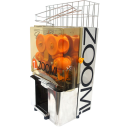 Juicers
 Drink Blenders
 Milkshake Blenders
 Slush Machines
 Water Boilers
 Cookware
 Gastronorm Containers
 Ingredient Bins
 Pastry & Baking
 Utensils
 Pizza Pans & Equipment
 Food Storage
 Food Transport & Delivery Bags
 Folding Furniture
 Garden and Outdoor Furniture
 High Chairs
 Chairs
 Tables
Commercial Juicers
Commercial juicers are the unsung heroes of busy UK cafés, juice bars, and restaurants serving fresh, vibrant drinks that customers crave. Built for continuous operation with robust motors (typically 300-1000W), these workhorses extract maximum yield from fruits and vegetables—perfect for establishments serious about quality refreshments. After equipping kitchens for 50 years, we've seen how these machines transform drink menus and boost profits. Whether paired with commercial blenders for smoothie bars or complementing coffee machines in cafés, a professional juicer elevates your beverage game while handling the demanding workload that would quickly burn out domestic models.
We Recommend
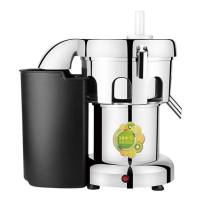
Commercial Centrifugal Juicer | High-Speed Fruit and Vegetable Juicer | Professional Extraction | Modena B2000
- Suitable for using with most fruits and vegetables including carrots, ginger, grapes and pineapple etc
- Speed 2800 rpm
- Manual feed
- Easy to use, clean and maintain
- Easy to clean removable stainless steel bowl
-
 £57.84 £86.76
Commercial Juicer | Citrus Press | Dual-Function Juice Extractor | Kenwood JE290 GN685
1.27224H x 212W x 160D mm
Kenwood
1 Ltr
Plastic
 £99.76 £149.64
Commercial Citrus Juicer | Electric Orange Lemon Juicer | Stainless Steel | Caterlite HP929
2.88290H x 172W x 263D mm
Caterlite
Aluminium die-cast press arm for easy operation
Stainless Steel
 £247.99 £621.00
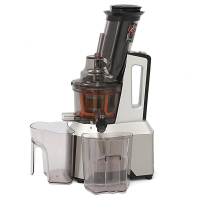
Commercial Slow Juicer | Cold Press Juice Extractor | 60kg/h Capacity | Sammic LL-60
10kg420H x 180W x 280D mm
Sammic
Stainless Steel
 £282.22 £423.34
Commercial Milk Frother | Cino Milk Steamer | Stainless Steel | Dualit CN452
7.42345H x 140W x 570D mm
Dualit
850ml
Descale function to make cleaning and maintenance easier
£349.99 £1,200.00Commercial Centrifugal Juicer | High-Speed Fruit and Vegetable Juicer | Professional Extraction | Modena B2000
19kg450H x 430W x 350D mm
Modena
Speed 2800 rpm
Stainless Steel and aluminum
 £475.71 £713.57
Commercial Citrus Juicer | Classic Juicing Machine | Manual Operation | Santos K275
5.64350H x 200W x 300D mm
Santos
795ml
Aluminium & Plastic
£575.87 £863.81Commercial Juicer | Professional Juice Extractor | High Output Citrus Juicer | Waring CE380
5.2kg310H x 230W x 230D mm
13 amp plug fitted
Manual feed
Stainless Steel & Polycarbonate
 £599.99 £1,386.00
Commercial Automatic Orange Juicer | Citrus Press | 14 Oranges Per Minute | Modena ZO14
40 KG780H x 400W x 300D mm
13 amp plug fitted
20 oranges per minute
Stainless Steel
🎯 Need Help Choosing the Right Commercial Juicers?
Discover how to choose the right model with expert advice on buying considerations, kitchen-tested usage tips, frequently asked questions and real-world chef insights below.
🎧 On the go? Listen to our expert podcast instead
£619.70 £929.54Commercial Citrus Juicer | Fruit Juicer | Grey 52 | Santos CK690
10kg490H x 205W x 305D mm
Santos
Inclined body for better output
Aluminium body
 £657.25 £985.87
Commercial Automatic Citrus Juicer | Electric Orange Juicer | Heavy Duty | Santos K273
10.35380H x 200W x 300D mm
Santos
5 year warranty on asynchronous motor
Lever action start/stop function
 £1,088.99 £1,375.00
Commercial Automatic Juicer | Professional Citrus Juicer | 80L/h Capacity | Robot Coupe J80 Ultra DN582
502H x 535W mm
Robot Coupe
6.5Ltr
Stainless Steel & Plastic
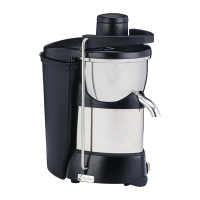 £1,445.97 £2,168.95
Commercial High Output Juicer | Professional Citrus Juicer | Automatic Operation | Santos SC-50 E073
16.1450H x 260W x 470D mm
Santos
50 Ltr
Stainless Steel
 £1,508.99 £1,905.00
Commercial Automatic Juicer | High-Speed Juice Extractor | Continuous Pulp Ejection | Robot Coupe J100 Ultra CF891
596H x 235W x 538D mm
Robot Coupe
7.2Ltr
Practical: the drip tray can hold up to 300 ml of liquid, meaning less time emptying and cleaner worktops
 £1,714.99 £1,905.00
Robot Coupe Juicer J100
15.5kg628H x 566W x 262D mm
Robot Coupe
Powerful and quiet. Thanks to the low sound level of the 700 W motor, our unit can be used right in front of the customer.
Stainless Steel
£2,810.56 £4,215.84Commercial Centrifugal Juicer | Miracle Edition | Professional Juice Extractor | Santos GH739
28.8606H x 330W x 562D mm
Santos
140 Ltr
Stainless Steel & Aluminium
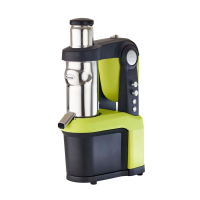 £4,319.14 £6,478.70
Commercial Cold Press Juicer | Slow Juicer | Nutrient Preservation | Santos 65A CN990
31.7650H x 200W x 350D mm
Santos
A new way of juicing: set your speed and your filtration size to get the juice you want
Aluminium & Plastic
Commercial Juicers for Restaurants, Bars & Cafés
Explore More About Commercial Juicers
Get expert guidance, see real chef stories, and find answers to your most common questions.
Brands Trusted by Industry Professionals
Key Features and Benefits
- High-Output Performance Processes 15-30 oranges per minute—perfect for morning rushes.
- Versatile Juicing Handles everything from citrus to vegetables depending on model type.
- Durable Construction Commercial-grade stainless steel and heavy-duty components built for daily use.
- Adjustable Pulp Control Customize juice texture to match customer preferences.
- Efficient Extraction Maximizes yield for better profit margins on every fruit.
- Continuous Operation Designed for back-to-back orders without overheating.
- Easy Cleaning Systems Dishwasher-safe components and quick-disassembly for hygiene.
- Long Service Life Built to last years in demanding commercial environments.
Too busy to read? Listen instead.
In this episode of The Deep Dive, we break down commercial juicers—centrifugal, masticating, and citrus. Discover which type suits your business, how to compare yield and speed, and what features make daily cleaning and operation easier.
19.24min | Expert-led | Real-world advice
Read Full Podcast Transcript: "Commercial Juicers" 0:00: Welcome to another deep dive.
0:02: Today, we are pulling back the curtain on a piece of equipment you see in action all the time, but maybe don't give much thought to The commercial juicer.
0:12: And our source material today gives us a fantastic look actually.
0:15: It's from the perspective of a UK professional catering equipment supplier.
0:22: OK, so people who really know their stuff.
0:24: Exactly, they've spent decades equipping businesses, so they have a real world understanding of what works, you know.
0:29: Right.
0:30: So our mission is simple.
0:32: We're going to unpack what makes these machines absolutely essential for busy cafes, restaurants, and juice bars.
0:38: Understand the different types out there, yeah, and pull out the key insights, the benefits, and, the practical considerations that genuinely matter if you're in that world, or even if you're just curious about these sort of hidden workhorses of commercial kitchens.
0:52: Think of this as your shortcut.
0:54: to being well informed on the powerful world of fresh juice production.
0:57: And what stands out immediately from the source is why these businesses need something far beyond your average home juicer.
1:04: OK, so drilling right in, what's the fundamental difference?
1:07: Why can't a busy spot just rely on like a beefed up model you'd buy for your kitchen at home?
1:13: Well, it really comes down to the core demand.
1:15: Serving fresh, vibrant drinks that customers crave, right, but doing it continuously, hour after hour in a really demanding high volume environment.
1:24: Domestic models, they're just built for occasional use, a glass or two at a time, commercial juicers.
1:30: They're built for continuous operation.
1:32: They can handle a workload day after day, that would, simply burn out a home unit very quickly.
1:38: So it's all about endurance and just serious output, precisely, and the sources highlight key structural differences that enable this.
1:46: You're looking at much more robust motors typically ranging from 300 all the way up to, well, a hefty 1000 watts sometimes and they use seriously durable components.
1:56: We're talking commercial grades, stainless steel, heavy duty parts designed to, you know, take a beating from continuous use.
2:02: But that makes complete sense.
2:03: I mean, if fresh juice is on your menu, you absolutely cannot have your machine failing during a rush.
2:08: Our source even mentions that after 50 years in the business.
2:11: They've seen how investing in the right juicer can genuinely transform drink menus and significantly boost profits for their clients.
2:19: It's a piece of equipment with a direct business impact.
2:22: They can be the star in a dedicated juice bar, or, you know, seamlessly pair with commercial blenders for smoothies, or just compliment the coffee machines in a busy cafe.
2:32: Exactly, adding a whole new dimension to the beverage offering.
2:37: All right, so we understand why they're necessary workhorses built for the commercial grind.
2:41: Now, let's get into how they actually extract the juice.
2:45: Our source talks about three main methods or types, right?
2:48: That's right.
2:49: Let's dive into those three core types.
2:51: First up, we have the citrus juicers, and these are pretty specialized, aren't they?
2:55: Sort of single taskers.
2:56: They are, yeah.
2:57: Their primary purpose is dedicated to juicing halved citrus fruits.
3:01: The classic fresh orange juice, grapefruit juice, maybe lemonade.
3:05: They're absolutely ideal for venues where citrus drinks are a core offering, like breakfast venues or cafes.
3:11: How do they work mechanically?
3:13: Is it simple?
3:13: It's generally pretty straightforward.
3:15: They typically use a cone-shaped rotating reamer head.
3:18: You simply place the halved fruit onto the spinning cone, press down, and the reamer quickly separates the juice from the pulp and rind with minimal physical effort.
3:28: Simple and highly effective for that specific task.
3:31: What kind of speed and output can you expect from these then?
3:34: These are designed for speed when it comes to citrus.
3:37: Our source mentions they can process dozens of oranges per minute, highlighting it's many times faster than juicing by hand.
3:43: Right, no kidding.
3:45: Depending on the model, they can produce anywhere from maybe 40 to 60 drinks hourly.
3:49: That kind of speed difference.
3:50: It is huge when you're serving a breakfast rush, and the source lists a wide range of models here showing they come in different sizes and capacities.
3:59: Some look quite compact, countertop units, others seem much larger, heavier duty machines built for massive volume.
4:06: Exactly.
4:07: Some weigh just a few kilos, while the heavy duty ones can be upwards of 40 kg.
4:11: Which really reflects their build quality.
4:14: And you see durable materials mentioned, like stainless steel, aluminum alloy, heavy duty plastics.
4:20: It just shows the versatility within that citrus category.
4:22: You've got solutions for different levels of demand, from like, manual lever presses to fully automatic electric models.
4:29: OK, so that's dedicated citrus.
4:31: What's the second type?
4:32: Next up we have centrifugal juicers.
4:34: Now, these are really built for speed and versatility across a much wider range of produce.
4:39: , so this is the type you'd use for more than just oranges and lemons.
4:44: Exactly.
4:44: They're suitable for most fruits and vegetables you can imagine, including harder items like carrots, ginger, apples, grapes, pineapple.
4:53: This makes them perfect workhorses for busy cafes or juice bars needing to offer a diverse menu of juices.
5:00: And quickly, and the mechanism is quite different from the citrus ones, I assume.
5:03: Oh, very different.
5:04: These machines use a flat cutting blade that spins at incredibly high speeds.
5:08: Our source states speeds ranging from 6000 up to maybe 14,000 RPM.
5:13: Wow, 14,000 RPM.
5:15: Yeah, really fast.
5:16: This blade shreds the produce into a pulp.
5:19: Then, powerful centrifugal force pushes the juice through a fine mesh filter, separating it from the pulp, which gets ejected into a collection bin.
5:28: High-speed shredding and spinning, that sounds like it gets the job done fast.
5:32: What kind of output does that translate to, roughly?
5:34: Centrifugal juicers offer a pretty good balance of speed and versatility.
5:39: Our source suggests outputs ranging from, say, 15+ drinks hourly, up to maybe 25-40 drinks hourly.
5:46: Depends on the specific model and the produce being used, of course.
5:49: And the source list examples here from brands like Brawn, Modina, and Santos.
5:54: These models also seem to come in various sizes and capacities, from more compact units suitable for countertop use to larger ones with higher.
6:01: capacities.
6:02: Weights generally range from around 6 kg up to nearly 30 kgs for the bigger models.
6:07: And like the citrus juicers, they utilize durable commercial grade materials.
6:11: They often strike that balance of speed and footprint, making them a popular choice for cafes, perhaps with limited space, but a need for variety.
6:19: Makes sense.
6:19: And finally, the third major type, that would be the cold pressed juicer, or sometimes The masticating juicer.
6:26: This method takes a completely different approach, right?
6:29: This is the one often highlighted for like nutrient retention and juice quality.
6:33: That's the one I've heard a lot about cold pressed juice being marketed as healthier too.
6:37: So how do these actually work compared to those high speed centrifugal models?
6:42: Well, instead of using high speed blades, cold press juicers crush and squeeze the produce.
6:47: They use an auger, sort of like a screw mechanism that turns at much slower speeds, typically between 40 and 100 RPM, so way slower, much slower.
6:57: Our source describes this as a new way of juicing, allowing you to potentially set the speed and filtration size.
7:05: This slower, gentler process generates less heat and oxygenation, which is supposed to be better for the nutrients.
7:11: Exactly.
7:12: Proponents argue it helps preserve more vitamins, enzymes, and even the color.
7:16: And the key benefit is their ability to effectively extract juice from leafy greens, like kale and spinach, which is something the other types, especially centrifugal, can struggle with.
7:27: Right, so if you want those vibrant green juices, this is often the preferred method.
7:32: What about the speed and output compared to the others then?
7:34: It must be slower.
7:36: They're generally slower per glass than centrifugal models, yeah, because of that low speed mechanism.
7:41: Our source indicates typical output ranges from maybe 1525 drinks hourly, but while slower per glass, one model listed shows the capacity of processing, up to 60 kg of produce per hour.
7:53: So they can definitely handle significant amounts over time.
7:56: Interesting.
7:57: Examples listed include models from Samme and Santos.
8:00: These also vary in size and weight, typically ranging from 10 kg upwards of 30 kg, often having a more vertical design.
8:07: Yeah, and materials again include stainless steel, aluminum, and robust plastics.
8:11: So three distinct methods, and it's absolutely crucial, as our source makes clear, to understand which juicer type handles what.
8:18: Citrus juicers work only with halved citrus fruits.
8:21: That's it.
8:22: Only citrus.
8:23: Got it.
8:23: If you need to choose vegetables, leafy greens, or non-citrus fruits like apples and berries, you must use either a centrifugal or a cold press model.
8:31: That's a critical distinction for any business choosing equipment.
8:35: Definitely.
8:36: So to retop the ts, we've got dedicated citrus for speed with oranges, lemons, grapefruit, centrifugal for versatile, faster juicing of most fruits and veg, good allrounder for speed, and cold press for that nutrient focus, handling greens well but using a slower crushing method.
8:55: Exactly.
8:56: And our source also pulls together a really useful summary of the key features and benefits that define quality commercial juicers, regardless of the specific type.
9:05: Like that high output performance you mentioned earlier, processing dozens of oranges a minute or just handling continuous orders in a busy cafe.
9:12: Yes, and the versatile juicing capability, allowing you to offer a wide range of fresh Stres depending on the model type you choose.
9:19: Then there's the absolutely essential durable construction built with those commercial grade materials, specifically for daily heavy use over years.
9:28: They also point out features like adjustable pulp control, which is a nice touch, isn't it, for customizing juice texture to customer preference.
9:35: Yeah, some people like it pulpy, some don't.
9:37: And importantly, efficient extraction.
9:40: That efficiency point sounds huge for profitability.
9:43: It is.
9:44: The source highlights that higher extraction efficiency in commercial models compared to domestic ones can save businesses up to 15% on produce costs annually.
9:53: 15%, that's a tangible saving.
9:56: Absolutely.
9:56: Go straight to the bottom line.
9:57: And underpinning all this is the design for continuous operation built to handle back to back orders during peak hours.
10:03: Without overheating or needing cooldown time.
10:06: That seems critical.
10:07: It is.
10:08: Plus they emphasize easy cleaning systems.
10:10: This is so important in a busy kitchen.
10:12: Features like dishwasher safe components and quick disassembly are common, making cleanup significantly faster.
10:19: Often possible in around 10 minutes, the source suggests, which is vital not just for hygiene, but for getting ready for the next service quickly.
10:26: And all these features combined lead to a long service life.
10:29: Quality commercial models are built to last significantly longer than home units.
10:34: Yeah, the source is typically 57 years with proper maintenance, offering a solid return on investment over time.
10:40: So based on this source, if a business owner is considering adding fresh juice, what are the really essential buying considerations they need to think about?
10:48: Well, first and foremost, as we discussed, matching the juicer type and output to your specific business needs and expected volume, are you just adding fresh OJ to breakfast or launching a full juice bar menu that dictates the type?
11:02: Makes sense.
11:04: Citrus for dedicated high volume OJ, centrifugal for speed and versatility in a busy cafe setting.
11:10: And cold press if your focus is on nutrient dense vegetables and green juices.
11:15: Exactly.
11:16: Beyond that, there are crucial practicalities like space.
11:19: Space is always a big one in commercial pigeons, isn't it?
11:22: Countertop space is precious, so checking the footprint is vital.
11:25: Our source notes footprints can range from Compact, maybe 15 cm wide, up to around 50 centimeters in width, you need to make sure it actually fits.
11:33: Good point.
11:34: Noise levels are also mentioned.
11:35: Yeah, and that's important if the juicer will be operating in areas where customers are dining or ordering like in front of house cafes.
11:42: You don't want something deafening.
11:43: True.
11:44: And maintenance specifically looking for those easy to clean designs with dishwasher safe parts to minimize staff time spent on cleanup, as we talked about.
11:53: Definitely.
11:53: Now our source also includes some fantastic specific insights directly from experts in the field, which I thought were great.
12:01: Oh yeah, like what?
12:02: Well, Henry Dalton, a beverage equipment expert with 11 years of experience, is quoted.
12:07: Saying if you're juicing all day every day, go for a commercial juicer that can keep up without overheating.
12:14: Your brunch crowd won't wait for a machine to cool down.
12:17: Trust me, a good juicer pays for itself in fresh, zesty profits.
12:22: That quote perfectly captures the core why, doesn't it?
12:25: Avoiding downtime during peak service is everything.
12:28: Exactly.
12:29: And Mark, another equipment specialist, quoted, reinforces the financial impact, he says.
12:35: The right commercial juicer pays for itself within months.
12:38: Within months.
12:39: Wow.
12:39: Yeah, and he adds, the yield difference between domestic and commercial models can be up to 30% more juice from the same produce.
12:47: That's pure profit.
12:48: 30% yield difference.
12:51: Those are powerful statements.
12:52: That's a huge saving over time.
12:54: And directly impacts the bottom line.
12:56: It really underscores the investment aspect.
12:59: It really does.
13:00: The source also included some great practical top tips for actually using these commercial juicers effectively.
13:06: , the operational advice, always useful.
13:09: Yes, like cleaning thoroughly after each service.
13:13: Apparently leftover pulp can absolutely affect flavor and reduce.
13:17: Machine's efficiency over time makes sense.
13:19: Definitely.
13:19: And for centrifugal models, pre-cutting larger produce like apples or beets helps the machine process them more smoothly and reduces strain on the motor.
13:28: And here's a simple but effective tip for citrus rolling the fruit firmly on a counter before juicing can actually increase the juice yield by up to 10%.
13:36: Really, just by rolling it.
13:38: Apparently so.
13:39: An easy way to save a bit on produce.
13:41: Good tip.
13:42: They also recommend keeping cleaning brushes and sanitizer right nearby for quick post-use cleaning and running weekly maintenance checks, paying special attention to parts that see a lot of wear like gaskets and filters, standard preventative stuff, safety guidelines are also a crucial part of the source's advice too.
13:59: Yeah, standard, but critical, as you say.
14:02: Always check that all components are assembled correctly and secured before you start.
14:07: Make sure lids are properly locked in place.
14:09: Avoid overfeeding the machine insert produce gradually, and always use the food pushers provided.
14:15: Never ever use your hands to push produce into the feed tube.
14:19: That sounds like a recipe for disaster.
14:21: Absolutely.
14:22: Power machine completely before attempting to change parts or clean it, and inspect power cables regularly for any signs of damage.
14:29: Basic kitchen safety, really.
14:30: So which types of businesses are really seeing the benefit of these machines?
14:34: Our source lists a few key categories.
14:36: Yeah, cafes are a prime example.
14:38: Adding fresh juice is a great way to boost the appeal of their breakfast and brunch menus.
14:43: Hotels use them to impress guests with premium, freshly squeezed options at breakfast or in lounges.
14:49: Makes sense.
14:50: Restaurants integrate them to craft, signature drinks and mocktails using fresh ingredients.
14:55: And of course, dedicated juice bars for them.
14:57: Commercial juicers aren't just equipment, they are the core business.
15:02: Essential.
15:03: And they backed this up with a great little real world success story from the Green Press, a cafe in Bristol.
15:09: Oh, this sounds good.
15:10: Tell me more.
15:11: This really illustrates the practical impact.
15:14: The owner, Emma, shares her experience.
15:17: She used to spend 45 minutes hand squeezing oranges every morning just to keep up with the breakfast rush.
15:23: 45 minutes.
15:24: Wow.
15:25: She called it a proper faff, which I think perfectly captures the inefficiency.
15:29: , yeah, you can feel the pain there, right, but.
15:31: After upgrading to a commercial citrus juicer, they could serve fresh OJ instantly, seamlessly integrated with their espresso and food menu.
15:40: And the result, morning revenue went up by a significant 35%.
15:44: 35%.
15:45: That's huge.
15:46: And the juicer paid for itself in just two months.
15:49: Emma also highlighted the brilliant consistency of the juice, which is key for customer satisfaction, obviously.
15:54: That kind of tangible return on investment in such a short time really drives home the point made by those experts.
16:01: doesn't it?
16:01: Absolutely.
16:02: Finally, the source addresses some common questions businesses often have about commercial juicers, like a little FAQ section.
16:09: OK, useful recap.
16:11: They reiterate the fundamental difference versus domestic models, stronger motors, durable metal components, significantly higher capacity, and being built explicitly for continuous use.
16:22: Right, the core message.
16:24: How many juices per hour can they produce?
16:26: As a general guideline, citrus juicers are fastest for their specific.
16:30: Task maybe 4060 drinks.
16:32: Centrifugal offer a good range, 2540 drinks, and cold press are slower due to their method, 1525 drinks per hour.
16:40: And addressing the cleanup concern.
16:41: Most quality commercial models feature quick disassembly and dishwasher safe parts, with typical cleanup time being around 10 minutes per machine, so manageable.
16:49: It's good to know.
16:50: For a small cafe looking to add versatile juicing, they suggest centrifugal models as a good balance of speed, versatility, and manageable counter space.
16:58: Seems logical.
17:00: And lifespan.
17:01: The lifespan of quality commercial models with proper maintenance is reinforced as typically 57 years, a solid working life.
17:09: And a firm final answer to that common question.
17:13: Can you juice vegetables in a citrus juicer?
17:16: Let me guess.
17:17: No.
17:17: Absolutely not.
17:18: They are only designed for halved citrus fruits.
17:21: You need a centrifugal or cold press model for anything else.
17:25: Good to be clear on that.
17:26: The source material really gives a comprehensive look at these machines, doesn't it?
17:30: Moving beyond just specs to highlight their critical role and tangible benefits in a.
17:34: setting.
17:35: OK, we've definitely gone a deep dive into commercial juicers today, guided by our source material.
17:40: We've seen that they really are essential workhorses in many businesses.
17:43: Absolutely built for demanding continuous operation with those robust components, offering clear advantages over domestic models in terms of output, efficiency, and, yield big yield differences.
17:55: And understanding the three main types, citrus, centrifugal, and cold press really helps clarify which machine is right for this job, balancing speed, versatility, and juice quality needs.
18:06: And those insights from experienced experts like the point about continuous operation being non-negotiable during a rush.
18:13: The brunch crowd won't wait.
18:14: Exactly.
18:15: And that incredible yield difference leading to direct profit coupled with that real world success story of the cafe, seeing revenue jump 35% and the machine pay for itself in just two months.
18:27: It really underscores that these are significant impactful investments, not just simple appliances.
18:33: It truly highlights how choosing the right specialized piece of equipment can be transformative for a business's efficiency, profitability, and, you know, the customer offering.
18:42: Definitely.
18:43: So here's something for you to think about as we wrap up.
18:45: We looked at how a single piece of equipment like a commercial juicer doesn't just save time but can fundamentally change a business's revenue, customer experience, and operational identity.
18:56: What other seemingly hidden workhorse equipment in different industries, maybe a specific type of oven, a specialized piece of manufacturing machinery, or maybe a key software system has such a significant measurable impact that we rarely stop to consider its power.
19:12: That's a fascinating question to ponder.
19:14: Lots of hidden heroes out there, I bet.
19:16: I think so too.
19:17: Well, thanks for going on this deep dive into commercial juicers with us.
19:20: We hope you found it insightful and maybe saw these machines in a completely new light.
Essential Buying Considerations
Juicer Type & Output
- Citrus juicers for OJ and lemonade—ideal for breakfast venues.
- Centrifugal for speed (15+ drinks hourly)—perfect for busy cafés.
- Cold press for nutrient retention—great for health-focused menus.
Space & Maintenance
- Check footprint (15-50cm width)—countertop space is precious.
- Consider noise levels for front-of-house operations.
- Look for models with dishwasher-safe parts for quick cleaning between services.
How Commercial Juicers Work
Commercial juicers extract juice through three main methods. Citrus juicers use rotating reamer heads that press down on halved fruits, separating juice from pulp with minimal effort. Centrifugal juicers shred produce with razor-sharp blades spinning at 6,000-14,000 RPM, forcing juice through fine mesh filters with centrifugal force. Meanwhile, cold press (masticating) juicers crush and squeeze produce at slower speeds (40-100 RPM), preserving nutrients and extracting maximum yield. Most professional models include powerful motors (300-1000W), durable stainless steel components, and quick-clean systems that keep pace during busy service periods.

Trusted Insights from Henry Dalton

Beverage Equipment Expert
11 years experience
"If you're juicing all day, every day, go for a commercial juicer that can keep up without overheating – your brunch crowd won’t wait for a machine to cool down! Trust me, a good juicer pays for itself in fresh, zesty profits."Safety Guidelines
- Check Components Inspect for damage before use—prevents accidents.
- Secure Lids Ensure all covers are locked—stops splashing and injuries.
- Avoid Overfeeding Insert produce gradually—prevents motor strain.
- Use Food Pushers Never insert hands into feed tubes—prevents cuts.
- Power Down Switch off when changing parts or cleaning.
- Check Electrics Inspect cables regularly—prevents electrical hazards.
Top Tips for Using Commercial Juicers
For optimal performance, clean your juicer thoroughly after each service—pulp buildup affects flavor and efficiency. Pre-cut larger fruits and vegetables for centrifugal models to reduce strain on the motor. With citrus juicers, rolling fruit firmly on the counter before juicing increases yield by up to 10%. Keep a supply of cleaning brushes and food-safe sanitizer nearby, and run maintenance checks weekly, paying special attention to gaskets and filters that tend to wear fastest.
Benefits of Using Commercial Juicers
- Superior Taste Fresh extraction preserves flavors—delights customers.
- Increased Efficiency Serves multiple orders quickly—reduces queues.
- Better Yield Extracts more juice per fruit—boosts profit margins.
Did You Know?
- Speed Commercial citrus juicers process up to 30 oranges per minute—six times faster than manual methods.
- Durability Professional models last 5-7 years with proper maintenance—unlike home units.
- Versatility Cold press juicers extract juice from leafy greens too—expanding menu options.
- Savings Higher extraction efficiency saves up to 15% on produce costs annually.



Expert Insights on Commercial Juicers
With decades fitting out juice bars and cafés, we've learned what makes a juicer worth its salt. 'The right commercial juicer pays for itself within months,' explains Mark, our equipment specialist. 'The yield difference between domestic and commercial models can be up to 30% more juice from the same produce—that's pure profit.'
- Pros: Superior extraction, robust build, faster service times.
- Cons: Higher initial investment, some models require more cleaning time.
Who Needs Commercial Juicers?
- Cafés Freshly squeezed options boost breakfast and brunch appeal.
- Hotels Impress guests with premium breakfast juice stations.
- Restaurants Craft signature drinks and mocktails with freshly pressed ingredients.
- Juice Bars Essential equipment for health-focused beverage businesses.

Real-World Success with Commercial Juicers
Take The Green Press, a bustling café in Bristol that transformed their morning service with one of our commercial citrus juicers. Before upgrading, they were spending 45 minutes hand-squeezing oranges for the breakfast rush. 'It was a proper faff,' says owner Emma. 'Now we serve fresh OJ in seconds, paired with our espresso menu and breakfast items. Our morning revenue is up 35%, and the juicer paid for itself in just two months. The consistency is brilliant too—customers know exactly what they're getting every visit.'

FAQs
- What's the difference between commercial and domestic juicers? Commercial models offer stronger motors, metal components, and higher capacity—built for continuous use.
- How many juices can a commercial juicer make per hour? Citrus models produce 40-60 drinks hourly, centrifugal 25-40, and cold press 15-25.
- Are commercial juicers difficult to clean? Most feature quick-disassembly and dishwasher-safe parts—10-minute cleanup typically.
- Which juicer is best for a small café? Centrifugal models balance speed, versatility and counter space for smaller operations.
- How long do commercial juicers typically last? Quality models last 5-7 years with proper maintenance—excellent return on investment.
- Can I juice vegetables in a citrus juicer? No, citrus juicers work only with halved citrus—centrifugal or cold press needed for veg.
Looking for Equipment by Business Type?
Not sure where to start? Whether you're running a bustling café, opening a pizzeria, or managing a school canteen, we've made it easy to shop by business type. Explore handpicked equipment bundles and essentials tailored to your industry—saving you time and making sure you get exactly what you need.
Other Categories You Might Find Useful
We’ve selected some closely related categories that might be essential for your setup. Whether you’re expanding your kitchen or just making sure you’ve got everything covered, these links will help you explore more equipment that fits your needs.
Commercial Juice Presses & Extractors for Restaurants & Cafés Commercial Juice Squeezers for Restaurants & Cafés Commercial Juice Dispensers for Restaurants, Hotels & Cafés Commercial Jugs & Scoops for Restaurants & Catering Commercial Jugs and Carafes for Restaurants & Hospitality Commercial Jugs, Mugs, Carafes & Pitchers for Restaurants & Hospitality Commercial Kitchen Thermometers for Restaurants & Catering Genuine Santos Juicer Replacement Parts & Spares for Commercial KitchensWhat our Customers Say
'Our cold press juicer handles everything we throw at it—absolute workhorse!'
J James Health Bar Owner, Leeds'Morning orange juice service is sorted—juice 30 oranges in minutes!'
L Lucy Café Manager, Glasgow
Why Choose EasyEquipment for Commercial Juicers?
- Trusted Supplier 50 years supplying the best juicers—we know what works.
- Fast Delivery Next-day options throughout the UK—no waiting around.
- Best Price Promise Found cheaper? We'll match it—fair deals guaranteed.
- Expert Support Specific juicer questions? Our team knows every model inside out.
Ready to Explore Commercial Juicers?
Browse our comprehensive range of professional juicers for restaurants, cafés, and juice bars. From high-speed citrus presses to nutrient-preserving cold press models, find equipment that delivers both performance and value!
