 Bottle Coolers & Beer Fridges
 Ice Cream Displays
 Ice Cream Machines
 Chest Freezers
 Commercial Freezers
 Commercial Fridges
 Ice Cube Makers and Flakers
 Wine Coolers
 Bain Maries
 Commercial Microwaves
 Commercial Sinks
 Commercial Ovens
 Fryers and Chip Scuttles
 Glass and Dishwashers
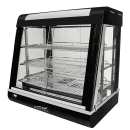 Pie Warmers & Hot Food Displays
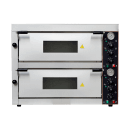 Pizza Ovens
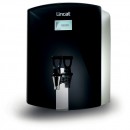 Water Boilers
 Bar Supplies
 Bowls & Display Baskets
 Cash Registers
 Chafing Dish Sets & Fuel
 Menus & Boards
 Table Numbers & Stands
 Salt, Pepper & Spice Mills
 Crockery
 Cutlery
 Glassware
 Wine Glasses
 Bins
Bins Cleaning Chemicals
 GreasePak
 Janitorial Equipment
 Laundry Equipment
 Coffee Machines
 Juice Dispensers
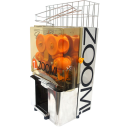 Juicers
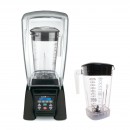 Drink Blenders
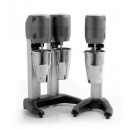 Milkshake Blenders
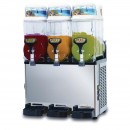 Slush Machines
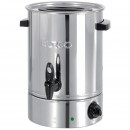 Water Boilers
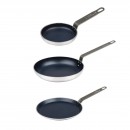 Cookware
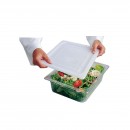 Gastronorm Containers
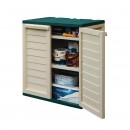 Ingredient Bins
 Pastry & Baking
 Utensils
 Pizza Pans & Equipment
 Food Storage
 Food Transport & Delivery Bags
 Folding Furniture
 Garden and Outdoor Furniture
 High Chairs
 Chairs
 Tables
Dishwashers & Glasswashers
Commercial dishwashers and glass washers are essential workhorses for any serious UK restaurant, bar or café looking to maintain impeccable hygiene standards while keeping pace with demanding service periods. These robust machines offer rapid cycle times of 1-3 minutes—dramatically faster than domestic models—and handle temperatures up to 85°C to ensure proper sanitisation. After 50 years supplying the hospitality industry, we've seen how these machines transform operations, working alongside commercial ice machines and refrigeration to create efficient bar setups. With energy-efficient models now standard, they're investments that quickly pay for themselves in labour savings and consistent results.
Shop By
-
£849.99 £1,584.00
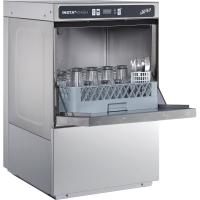
Commercial Glass Washer | Pub Glasswasher | 400mm Basket 16 Pint Capacity | Drain Pump | InstaWash IW40
40 KG768H x 485W x 520D mm
13 amp plug fitted
400mm square basket
Stainless Steel
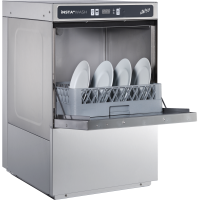
£899.99 £1,983.00Commercial Dishwasher | Professional Dish Washer | 500mm Basket with Drain Pump | InstaWash IW50
67 KG820H x 600W x 625D mm
13 amp plug fitted
500mm square basket
Stainless Steel
 £984.99 £1,466.00
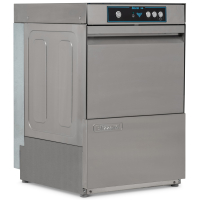
Commercial Glasswasher | Under Counter Glass Washer | With Drain Pump | 350x350mm Basket | Blizzard STORM35DP
40650H x 430W x 475D mm
Blizzard
Pressed tank and rounded corners to aid cleaning of the machine
Stainless Steel
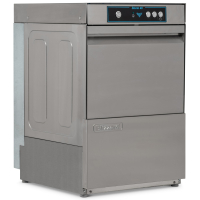
£1,114.99 £1,659.00Commercial Glasswasher | Bar Glasswashing Machine | 400x400mm Basket | Blizzard STORM40
44720H x 470W x 520D mm
Blizzard
Pressed tank and rounded corners to aid cleaning of machine
Stainless Steel
£1,158.99 £1,724.00Commercial Glasswasher | Storm Glasswasher | 400x400mm Basket with Drain Pump | Blizzard STORM40DP
47720H x 470W x 520D mm
Blizzard
Pressed tank for easy cleaning
Stainless Steel
£1,169.99 £2,491.50Commercial Undercounter Glasswasher | Bar Glasswasher | 350mm Basket with Drain Pump | Amika AMH350
595H x 401W x 490D mm
Halcyon
350 x 350mm rack
Maximum useable height 240mm
£1,194.99 £2,986.50Commercial Undercounter Glasswasher | Glass Washing Machine | 390mm Basket | Drain Pump | Amika AMH40D
665H x 440W x 540D mm
Halcyon
390 x 390mm rack
Maximum useable height 300mm
£1,260.99 £3,151.50Commercial Undercounter Glasswasher | Bar Glasswashing Machine | 350mm Basket | MaidAid C352D
590H x 400W x 495D mm
Maidaid
Alarms menu with hi-level information retrieval
Improved wash action from quick release parallel wash & rinse arm design
🎯 Need Help Choosing the Right Dishwashers & Glasswashers?
Discover how to choose the right model with expert advice on buying considerations, kitchen-tested usage tips, frequently asked questions and real-world chef insights below.
🎧 On the go? Listen to our expert podcast instead
£1,399.99 £2,970.00Hood Type Commercial Dishwasher | Professional Dishwashing Machine | 500mm Basket | InstaWash IW100
100 KG1476H x 691W x 765D mm
Single Phase
500mm square basket
stainless steel
£1,417.99 £2,110.00Commercial Glasswasher | Storm Blizzard | 500x500mm Basket | Blizzard STORM50
67820H x 600W x 600D mm
Blizzard
Pressed tank and rounded corners to aid cleaning of machine
Stainless Steel
£1,461.99 £2,175.00Commercial Glasswasher | Storm 500x500mm | With Drain Pump | Blizzard STORM50DP
70820H x 600W x 600D mm
Blizzard
Pressed tank for easy cleaning
Stainless Steel
£1,543.99 £3,861.00Commercial Undercounter Glasswasher | Bar Glasswasher | 390mm Basket | MaidAid C402D
665H x 440W x 540D mm
Maidaid
Alarms menu with hi-level information retrieval
Improved wash action from quick release parallel wash & rinse arm design
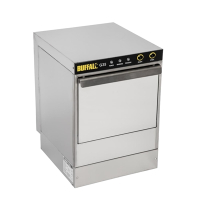
£1,718.50 £2,577.74Commercial Compact Glasswasher | Bar Glasswasher | Under Counter | Buffalo DW464
32600H x 420W x 460D mm
Electric
Built-in chemical dosing pumps - no need to manually add chemicals
304 Stainless Steel
£1,761.99 £4,405.50Commercial Glasswasher | Undercounter Glasswasher | 500mm Basket with Drain Pump | Amika AMH50D
815H x 580W x 605D mm
Halcyon
500 x 550mm rack
Maximum useable height 280mm
£1,785.99 £2,658.00Commercial Dishwasher | Dishwasher with Break Tank | Drain Pump | Blizzard STORM50BTDP
74820H x 600W x 600D mm
Blizzard
Pressed tank for easy cleaning
Stainless Steel
£1,966.99 £5,363.79Commercial Glasswasher | 400mm Basket Dishwasher | Integral Water Softener | Smeg SPG405SUK
710H x 440W x 530D mm
Electric
3 programs
Rinse aid & detergent dispensers
£1,967.74 £2,951.62Commercial Undercounter Glasswasher | Bar Glasswasher | 400x400mm Baskets with Drain Pump | Buffalo DW467
750H x 475W x 565D mm
Buffalo
Easy to start up - one button to fill and heat water in boiler tank
Stainless Steel
£1,992.99 £4,982.73Commercial Glasswasher | Bar Glasswashing Machine | 750 Glasses Per Hour | Classeq G500
44kg644H x 410W x 605D mm
Classeq
Holds 25 pint glasses
Stainless Steel
£2,152.99 £5,381.25Commercial Dishwasher | Glasswasher | 400x400mm Basket | Classeq C400
750H x 460W x 560D mm
13 amp plug fitted
Wash Programmes - Dish 2, 3 & 5 min. cycles
Stainless Steel
£2,154.99 £5,388.63Commercial Glasswasher | Undercounter Glasswasher | 750 Glasses Per Hour | With Drain Pump | Classeq G500P
54.7kg830H x 570W x 605D mm
Classeq
Simple and accessible to clean and service
Stainless Steel
£2,177.99 £5,445.00Commercial Undercounter Dishwasher | 500mm Basket Glasswasher | With Drain Pump Break Tank Water Softener | Amika AMH55WSD
815H x 580W x 605D mm
Halcyon
Breaktank and fitted drain pump as standard
500 x 500mm rack / Maximum useable height 340mm
£2,177.99 £5,445.00Commercial Undercounter Glasswasher | Bar Glasswasher | 500mm Basket with Drain Pump | MaidAid C502D
815H x 580W x 610D mm
Maidaid
Alarms menu with hi-level information retrieval
Improved wash action from quick release parallel wash & rinse arm design
£2,283.99 £6,228.21Commercial Dishwasher | 500mm Square Basket | Integral Water Softener | Smeg SPG505SUK
820H x 580W x 600D mm
Electric
Required electrics and fuse protection: 1ph 5.7kW 25A / 3ph 5.7kW 16A / 1ph 4kW 20A / 1ph 2.7kW 13A
Control type: Electronic soft touch controls
£2,421.99 £6,055.29Commercial Glasswasher | Bar Glass Washer | 1000 Pint Glasses Per Hour | Classeq G500 Duo
54.7kg830H x 570W x 605D mm
13 amp plug fitted
Holds 25 pint glasses
Stainless Steel
£2,427.99 £3,613.00Commercial Dishwasher | Passthrough Dishwasher with Break Tank | Drain Pump System | Kromo DUPLA50BT-DP3PH
73845H x 595W x 610D mm
Kromo
Pressed tank and rounded corners to aid cleaning of the machine
Stainless Steel
£2,479.36 £3,719.04Commercial Undercounter Glasswasher | Glass Washing Machine | Drain Pump | 500x500mm Baskets | Buffalo DW468
60830H x 655W x 595D mm
Buffalo
Easy to start up - one button to fill and heat water in boiler tank
Stainless Steel
£2,505.99 £6,265.62Commercial Glasswasher | Bar Dishwasher | Integrated Water Softener | Classeq C400WS
40.3kg720H x 460W x 560D mm
Classeq
Voltage220-240V
Stainless Steel
£2,623.66 £3,935.50Commercial Dishwasher with Drain Pump | 500mm Restaurant Dishwasher | Energy Efficient | Buffalo D50
70 kg830H x 570W x 600D mm
Buffalo
Rapid 120 second cycle - quickly loads and reloads for fast turnaround
Stainless Steel
£2,725.99 £6,814.50Commercial Undercounter Dishwasher | C Range Dishwasher | 500mm Basket with Drain Pump | MaidAid C525
815H x 580W x 610D mm
Maidaid
Four button bright LED display with soft touch controls, twin traffic lights giving instant status updates & operational self-diagnostics
Alarms menu with hi-level information retrieval / Improved range of water hardness settings
£2,778.99 £6,947.04Commercial Glasswasher | Dishwasher | 1000 Glasses/Hour | Drain Pump & Water Softener | Classeq G500DUOWS
54.7kg54.7kg
Classeq
Holds 25 pint glasses
Stainless Steel
£2,570.99 £6,426.75Commercial Dishwasher | Glasswasher | 500mm Basket | Classeq C500
850H x 600W x 600D mm
13 amp plug fitted
Wash Programmes - Glass 1.5 & 2 min. cycles
Stainless Steel
£3,530.99 £8,827.50Commercial Pass Through Dishwasher | Professional Catering Dishwasher | 500mm Basket | With Drain Pump & Water Softener | Amika AMH95WSD
1450H x 640W x 740D mm
Halcyon
Fitted drain pump & breaktank as standard
500 x 500mm rack / Maximum useable height 435mm
£3,638.99 £9,097.56Commercial Pass Through Dishwasher | Professional Warewasher | 500mm Basket | 3 Phase 6.84kW | Classeq P500A-12
130kg1470H x 630W x 720D mm
Classeq
Digital display for easy monitoring of performance
Stainless Steel
£3,638.99 £9,097.56Commercial Pass Through Dishwasher | Professional Warewasher | 30 Racks/Hour | Classeq P500A30
130kg1470H x 630W x 720D mm
Classeq
Choice of three wash cycles (90, 180, 300 seconds) to suit any task
Stainless Steel
£3,794.99 £9,487.17Commercial Pass Through Dishwasher | Professional Dishwasher | 3 Phase with Chemical Pump | Classeq P500AD12
130kg1470H x 630W x 720D mm
Classeq
Built-in rinse booster pumps to remove stubborn grease and grime
Stainless Steel
£3,794.99 £9,487.17Commercial Pass Through Dishwasher | Professional Catering Dishwasher | 500mm Basket | Internal Chemical Pump | Classeq P500AD30
130kg1470H x 630W x 720D mm
Classeq
Choice of three wash cycles (90, 180 , 300 seconds) to suit any task
Stainless Steel
£3,836.99 £9,592.62Pass Through Dishwasher | Commercial Dishwasher | 500 Basket Capacity | Classeq P500A16
130kg1470H x 630W x 720D mm
Classeq
Digital display for easy monitoring of performance
Stainless Steel
£3,992.99 £9,983.34Commercial Pass Through Dishwasher | Industrial Dishwasher | 500mm Basket | Classeq P500AD16
130kg1470H x 630W x 720D mm
Classeq
Digital display for easy monitoring of performance
Stainless Steel
£4,043.99 £10,110.99Commercial Pass Through Dishwasher | Professional Dish Washing Machine | 3 Phase with Water Softener | Classeq P500AWS12
130kg1470H x 630W x 720D mm
Classeq
WRAS approved type A air gap
Stainless Steel
£4,043.99 £10,110.99Commercial Pass Through Dishwasher | Professional Dishwasher | Built-in Water Softener | Classeq P500AWS30
130kg1470H x 630W x 720D mm
Classeq
WRAS approved type A air gap
Stainless Steel
£4,137.99 £10,345.50Commercial Pass Through Dishwasher | Professional Dishwasher | 500mm Basket with Water Softener | MaidAid C2035WS
1450H x 640W x 740D mm
Maidaid
Four button bright LED display with soft touch controls, twin traffic lights giving instant status updates & operational self-diagnostics
Improved wash action from quick release parallel wash & rinse arm design
£4,199.99 £10,499.49Commercial Pass Through Dishwasher | Professional Dishwasher | Internal Chemical Pump | 3 Phase | 6.84kW | Classeq P500AWSD12
130kg1470H x 630W x 720D mm
Classeq
Built-in rinse booster pumps to remove stubborn grease and grime
Stainless Steel
£4,199.99 £10,499.49Commercial Pass Through Dishwasher | Single Phase Dishwasher | Internal Water Softener | 6.84kW | Classeq P500AWSD30
130kg1470H x 630W x 720D mm
Classeq
Built-in rinse booster pumps to remove stubborn grease and grime
Stainless Steel
£4,239.99 £10,599.39Commercial Pass Through Dishwasher | High Volume Dishwashing Machine | Integral Water Softener | 3 Phase | Classeq P500AWS16
130kg1470H x 630W x 720D mm
Classeq
Digital display for easy monitoring of performance
Stainless Steel
£4,394.99 £10,987.89Commercial Pass Through Dishwasher | Professional Dishwasher | Integral Water Softener | 3 Phase | Classeq P500AWSD16
130kg1470H x 630W x 720D mm
Classeq
Choice of three wash cycles (90, 180, 300 seconds) to suit any task
Stainless Steel
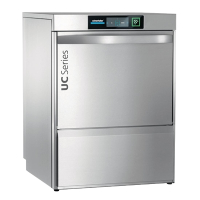
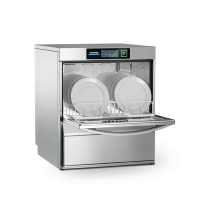
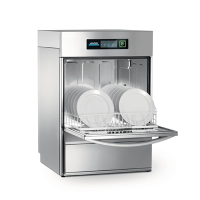
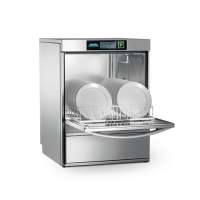
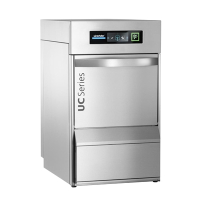
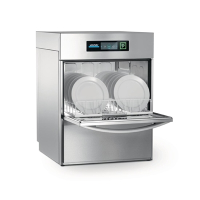
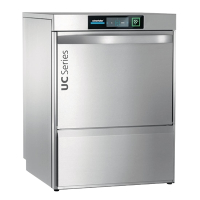
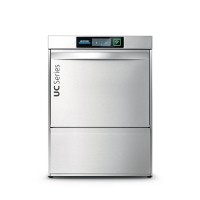
£7,781.74 £11,672.62Commercial Undercounter Warewasher | Dishwasher | Glasswasher | 500x500mm Basket | Winterhalter UCS DE640
64 kg715H x 460W x 600D mm
Winterhalter
32 glass racks/ 28 dish racks/hr
Self-cleaning programme ensures maximum hygiene
£7,781.74 £11,672.62Commercial Undercounter Warewasher | Dishwasher | Compact Glasswasher | Winterhalter UCM DE642
64 kg715H x 600W x 600D mm
Winterhalter
32 glass racks/ 28 dish racks/hr
Precise detergent & rinse aid dosing optimises washes
£8,962.91 £13,444.37Commercial Undercounter Warewasher | Glasswasher | Energy Efficient | Winterhalter UC-SE GF416
67kg.715H x 460W x 617D mm
Winterhalter
32 glass racks/ 28 dish racks/hr
Stainless Steel
£9,240.83 £13,861.25Commercial Undercounter Warewasher | Dishwasher | Glasswasher | Winterhalter UCL DE644
64 kg810H x 600W x 600D mm
Winterhalter
32 glass racks/ 28 dish racks/hr
Stainless Steel
£9,657.71 £14,486.57Commercial Undercounter Warewasher | Glasswasher | Energy Efficient Design | Winterhalter UC-ME GF414
72kg.760H x 600W x 617D mm
Winterhalter
32 glass racks/ 28 dish racks/hr
Stainless Steel
£10,144.06 £15,216.10Commercial Undercounter Warewasher | Dishwasher Machine | Energy Efficient | Winterhalter UCLENERGY DE645
64 kg810H x 600W x 600D mm
Winterhalter
32 glass racks/ 28 dish racks/hr
Self-cleaning programme ensures maximum hygiene
£10,144.06 £15,216.10Commercial Undercounter Warewasher | Dishwasher | Energy Efficient | Winterhalter UCXL DE646
64 kg810H x 650W x 600D mm
Winterhalter
32 glass racks/ 28 dish racks/hr
Self-cleaning programme ensures maximum hygiene
£10,421.98 £15,632.98Commercial Undercounter Dishwasher | Energy Efficient Warewasher | Glass Washer | Winterhalter UC-SE-ENERGY GF417
67kg.800H x 460W x 617D mm
Winterhalter
32 glass racks/ 28 dish racks/hr
Stainless Steel
£10,421.98 £15,632.98Commercial Undercounter Warewasher | Glass Washer | Energy-Efficient Model | Winterhalter UC-ME-ENERGY GF415
72kg.800H x 600W x 617D mm
Winterhalter
32 glass racks/ 28 dish racks/hr
Stainless Steel
£10,421.98 £15,632.98Commercial Undercounter Warewasher | Glasswasher | Energy Efficient | Winterhalter UC-LE GF412
84kg.820H x 600W x 617D mm
Winterhalter
32 glass racks/ 28 dish racks/hr
Stainless Steel
£11,116.78 £16,675.18Commercial Undercounter Warewasher | Glass Washer | Energy Efficient | Winterhalter UC-XLE GF418
86kg.810H x 600W x 656D mm
Winterhalter
32 glass racks/ 28 dish racks/hr
Stainless Steel
£11,533.66 £17,300.50Commercial Undercounter Warewasher | Glasswasher | Energy Efficient Model | Winterhalter UC-LE-ENERGY GF413
84kg.895H x 600W x 617D mm
Winterhalter
32 glass racks/ 28 dish racks/hr
Stainless Steel
£12,714.83 £19,072.25Commercial Undercounter Warewasher | Energy Efficient Dishwasher | Glasswasher | Winterhalter UC-XLE-ENERGY GF419
86kg.895H x 600W x 656D mm
Winterhalter
32 glass racks/ 28 dish racks/hr
Stainless Steel
Commercial Glass & Dishwashers for Restaurants & Bars
Explore More About Dishwashers & Glasswashers
Get expert guidance, see real chef stories, and find answers to your most common questions.
Brands Trusted by Industry Professionals
Key Features and Benefits
- Rapid Wash Cycles Complete washing in 1-3 minutes—perfect for busy service periods.
- High-Temperature Sanitisation Reaches 85°C to eliminate bacteria—ensures food safety compliance.
- Powerful Wash Pumps Delivers forceful water pressure—strips away stubborn residues.
- Water Efficiency Uses just 2-3 litres per cycle—reduces utility bills substantially.
- Energy-Saving Modes Cuts consumption during quiet periods—lowers running costs.
- Compact Designs Fits under counters from 400-850mm—maximises kitchen space.
- Easy Maintenance Removable components for simple cleaning—reduces service calls.
- Durable Construction Built with commercial-grade stainless steel—withstands years of daily use.
Too busy to read? Listen instead.
In this episode of The Deep Dive, we explore the key differences between glasswashers and dishwashers, and what to consider when choosing one for your bar, café, or restaurant. From hygiene standards and cycle speed to energy efficiency and installation tips, this guide helps you make an informed investment that keeps your kitchen running smoothly and your glassware spotless.
12.01min | Expert-led | Real-world advice
Read Full Podcast Transcript: "Dishwashers & Glasswashers" 0:00: Welcome to the deep dive.
0:02: Today we're shifting gears a bit.
0:04: We're not tackling some, you know, high-flying tech or ancient mystery.
0:09: No, we're going behind the kitchen door.
0:11: Exactly.
0:11: We're diving into something you see the results of constantly, but probably, well, never really think about the commercial dishwasher, those machines just hammering away at dirty plates in restaurants.
0:23: They really are the workhorses, aren't they?
0:25: Maybe not glamorous, but.
0:27: Absolutely fundamental.
0:29: Our mission today really is to get why they're so vital for efficiency, hygiene, and honestly, the bottom line of any food business.
0:36: And we've dug into info from a really established commercial kitchen supplier, someone with like 50 years in the game, and well, it's immediately obvious these aren't your home dishwasher, not even close.
0:46: Oh, completely different league, speed, sanitization level, long term value.
0:51: All ramped up, right.
0:53: So let's unpack it.
0:53: If you've ever wondered how your favorite place keeps those clean plates coming or if you're actually in the food service world, well, this deep dive is for you.
1:01: And it's fascinating just how central these machines become.
1:04: Like you said, unsung heroes against just mountains of dirty dishes sometimes.
1:08: The core benefits they really leap out.
1:10: Like the speed.
1:11: Yeah, speed wash cycles, as quick as 60 seconds, maybe 3 minutes tops.
1:16: Compare that to your home machine, 45 minutes.
1:19: An hour.
1:20: That speed difference alone during a busy dinner rush was huge.
1:24: And then the hygiene part you mentioned that our source talks about a final rinse hitting around 82 °C.
1:31: That's, well, that's pretty hot.
1:32: It's not just about looks, is it?
1:34: No, not at all.
1:34: That 82 °C, that's the magic number for thermal disinfection.
1:39: It's about wiping out harmful bacteria, pathogens, meeting those really strict health standards.
1:45: It's crucial in a commercial kitchen.
1:47: So, that temperature is specifically chosen for that reason, to kill germs.
1:52: Precisely.
1:52: It gives you that high level of sanitization, which is just paramount for preventing foodborne illness, you know, a key difference from domestic models where the focus is more on just getting things visibly clean, not necessarily sanitized to this degree.
2:05: OK, that makes sense.
2:06: So even if a kitchen crew was super careful hand washing, they couldn't really match that consistent heat that guaranteed kill off.
2:14: It'd be incredibly difficult.
2:16: The consistency of that high temperance in a machine gives you an assurance level that's, well, very hard to get manually.
2:23: And thinking bigger picture, it ties into food safety rigs.
2:27: The restaurant's reputation, our sources, with all their experience, they really stress how a good dishwasher transforms a kitchen, makes it safer, more efficient, and building on that efficiency.
2:38: Those features enabling the speed that 60 to 182nd cycle isn't just convenient.
2:43: It's like essential for flow, right, especially when it's busy.
2:46: Oh, absolutely essential.
2:47: Think about peak time Saturday night, tables turning fast.
2:49: You need clean plates constantly.
2:51: Without that speed, the whole system backs up.
2:54: Yeah, I can picture that bottleneck, and it's not just saving washing time.
2:58: It actually lets the restaurant serve more people, handle more covers.
3:01: So it links directly to potential revenue.
3:04: Right.
3:04: And it's not just speed, it's that high temp sanitizing rinse we talked about.
3:08: It kills bacteria mainly with heat, not just relying on loads of chemicals.
3:12: Correct.
3:13: Detergents are important, definitely, but that heat does a lot of the heavy lifting for sanitization.
3:18: It's a powerful natural approach.
3:21: Much higher temps than you'd typically see in a home dishwasher.
3:24: OK.
3:25: And they're not gentle about it either, are they?
3:27: The source mentioned high pressure spray arms.
3:30: These aren't like the ones at home, right?
3:31: no, not at all.
3:33: Think more like a targeted power washer for plates.
3:36: They're engineered to blast away everything, even baked on stuff, from multiple angles.
3:41: Powerful motors, strategic placement.
3:44: It ensures a really thorough clean consistently.
3:47: But surprisingly, with all that power, modern ones are actually designed to be, well, efficient, using less water and power than the old beasts.
3:54: Huge improvements there.
3:55: Yeah.
3:56: The source pointed out some old machines could guzzle, like 40 L of water per cycle, maybe more.
4:03: 40 L, yeah, and modern ones, maybe 2 or 3 L.
4:06: It's a massive difference in running costs over time.
4:09: That's incredible.
4:10: And it's not just water.
4:12: Newer models often have heat recovery systems.
4:14: They capture steam heat from the wash cycle and use it to heat the incoming water.
4:19: Exactly.
4:19: Cuts energy use, sometimes by like 25%.
4:24: That really adds up over the machine's life.
4:26: And they clearly understand kitchen layouts differ wildly.
4:29: They mention different designs, under counter ones, bigger pass-through models.
4:33: That flexibility is key.
4:35: Kitchens come in all shapes and sizes small cafe, massive hotel kitchen.
4:40: There's usually a design that fits the space and the workflow.
4:43: And these things are built tough, right?
4:44: Commercial grade stainless steel, they have to be durable.
4:47: Oh yeah, they're designed for constant heavy use, day in, day out.
4:52: That robust build is a major difference from a domestic machine, which just wouldn't last.
4:57: It's an investment in reliability, and customizable settings too.
5:00: Makes sense you might wash delicate glasses and greasy pans, precisely.
5:04: Adjusting cycles for different items, different soil levels, it optimizes cleaning and helps protect fragile stuff, having the right setting for the job.
5:11: And one point that might surprise kitchen staff, quieter operation.
5:16: Modern insulation helps reduce the noise.
5:19: Yeah, that's a big plus.
5:21: Kitchens can be noisy, stressful places.
5:23: Anything that cuts down the clatter helps staff well-being, maybe even improves communication when things get hectic.
5:29: OK, so if you're thinking about buying one, what are the absolute must considers?
5:33: Capacity and size seem top of the list.
5:36: You've got to measure your space carefully, and they made a point about height clearance often overlooked.
5:41: Very true.
5:42: It's easy to forget about the vertical space needed to actually get it in place in open doors or hoods properly, and capacity.
5:49: Yeah, you need to think hard about your busiest times.
5:52: Peak service.
5:53: They give some good rules of thumb.
5:54: Small cafe maybe needs 400, 500 plates an hour capacity.
5:59: Big restaurant, maybe 1000 plus, really makes you think about avoiding that dishwashing bottleneck.
6:04: Exactly.
6:04: If the dishwasher can't keep up, the whole service suffers no matter.
6:08: How good everything else is, you need to match the machine to your actual demand.
6:12: Then there's power and installation, not just plug and play, is it?
6:15: Often needs three-phase power.
6:17: Yeah, the electrical side is a big one.
6:19: You absolutely need to check your building supply and maybe budget for upgrades.
6:23: Plus, you need good water pressure and proper drainage, essential for it to work right and safely.
6:29: And connecting to a hot water supply is a good idea, saves energy.
6:33: Definitely.
6:34: It means the machine doesn't have to work as hard heating the water itself, reduces cycle time slightly, cuts energy costs, one of the small things that makes a difference long term.
6:44: So how do they actually work?
6:46: The source called the principle brilliantly simple yet remarkably effective.
6:50: That sums it up well.
6:51: It's really that combination.
6:53: High pressure water jets.
6:54: The right commercial detergents and those controlled high temperatures we keep mentioning.
6:58: And that 82 degree rinse again, getting that sanitization without relying solely on chemicals.
7:03: That thermal disinfection, yeah.
7:05: Heat is a very effective sanitizer, and the pump system, recirculating water through those spray arms hitting dishes from all angles, sounds very thorough.
7:14: It is, ensures every bit gets hit with hot soapy water under pressure, much more consistent than you could ever get by hand, or even with most domestic machines.
7:24: And of course the speed just blows manual or domestic washing out of the water.
7:29: We got some good expert advice too, a quote from Oliver Bennett, a specialist.
7:33: He said, Don't skimp on your dishwasher, it's the unsung hero, saves you time, water, and staff headaches during the dinner rush.
7:40: really gets to the point.
7:42: It really does.
7:43: It frames it as an investment in smooth operations, not just an appliance.
7:47: The source also laid out key safety points, like loading properly so water reaches every.
7:52: checking temps regularly, handling chemicals carefully, keeping access clear for maintenance, checking drains to avoid floods, and training staff properly seems vital.
8:02: Absolutely vital.
8:03: It's powerful equipment, proper use, regular checks, good maintenance keeps everyone safe and makes the machine last longer.
8:09: Training is key, so everyone's on the same page.
8:11: And some top tips for daily use.
8:13: Scrape plates first, use proper commercial chemicals, not the stuff from the Supermarket, clean filters daily, descale regularly, especially in hard water areas.
8:22: Maybe you can get a water softener if the water is really hard, right, and keep the dish station organized.
8:27: Small things, but they add up to better performance and longer life.
8:29: Totally.
8:30: Those habits streamline things and prevent problems down the line.
8:34: Saves hassle, saves money.
8:35: OK, let's quantify the benefits.
8:37: Big time savings frees up staff, much better sanitation protects customers, protects reputation.
8:42: And cost effectiveness, less labor, fewer broken dishes, adds up to a solid ROI.
8:49: It really does.
8:50: When you weigh it all up, a good commercial dishwasher often pays for itself surprisingly quickly.
8:55: It's just a smart business decision.
8:56: And some cool, did you know facts?
8:58: Up to 30 times faster than domestic.
9:01: Modern ones using just 2.
9:02: 3 L of water versus 40+ in old ones, potential to cut labor costs by up to 30%, and that heat recovery is saving 25% on energy.
9:10: Pretty impressive numbers.
9:11: Yeah, they really highlight the leap in technology and efficiency, that water saving alone is just huge.
9:17: There was another expert take on the money side from Mark, another specialist, his advice.
9:23: The biggest mistake is buying on price alone.
9:26: A quality.
9:28: Dishwasher pays for itself through reliability, speed, and lower running costs, especially for busy places.
9:34: Crucial advice.
9:35: Thinking long-term value, not just the initial price tag.
9:38: Reliability is key when you depend on it hour after hour.
9:42: So, the pros, massively cuts labor, guarantees sanitization, handles nonstop work, cons.
9:49: Higher upfront cost and yeah, maybe needing water treatment if you're in a hard water zone.
9:53: And businesses need to weigh those based on their specific situation, their volume, their water quality.
9:57: So who benefits most?
9:59: Restaurants, hotels, caterers are obvious, but also pubs and bars, they mention, specialized glass washers being key there too.
10:05: Yeah, we dealing with high volumes of dirty tableware, glassware.
10:09: Fast and hygienically needs this kind of equipment.
10:11: There's even a great real world story, a family-run Italian place in Bristol, struggling with hand washing, slow service, breakages.
10:19: They put in a pass-through dishwasher, saved about 200 pounds a week just in labor, fewer broken plates, could handle 40% more customers because things flowed better, and the machine paid for itself in under a year.
10:32: Wow, that really shows the impact, doesn't it?
10:34: A tangible difference to the business.
10:36: The numbers don't lie.
10:38: OK, let's wrap with some quick FAQs.
10:40: The main differences between commercial and domestic Speed, sanitizing temps built for continuous use.
10:46: Water softeners, yeah, pretty much essential in hard water areas, saves the machine from lime scale.
10:51: Capacity under counter may be 400, 500 items per hour, passed through up to 1200, maintenance, daily filter clean, weekly deep clean, regular pro servicing.
11:02: That's for a small cafe.
11:03: Probably an undercounter front loader and running cost versus hand washing.
11:07: Surprisingly often cheaper when you factor in labor, water, energy, detergent, plus you get guaranteed sanitization.
11:12: Those cover the main practical questions people have, and that cost comparison with hand washing is often an eye-opener.
11:18: So yeah, bringing it all home.
11:20: Commercial dishwashers are way more than just cleaners, they're a really strategic investment.
11:25: Huge benefits beyond just sparkling plates.
11:27: Absolutely.
11:28: Foundational for efficiency, hygiene.
11:30: And well, the financial health of the business.
11:33: Hopefully this deep dive gave you a real sense of why these machines matter so much, what makes them tick and what to think about.
11:41: It does make you think, right, how often we just expect clean plates and glasses in a restaurant.
11:46: Take it completely for granted.
11:47: Without considering these powerful machines working tirelessly behind the scenes, makes you wonder what other everyday things seemingly mundane equipment have this kind of hidden major impact on our experiences.
11:59: Something to chew on until our next deep dive.
Essential Buying Considerations
Capacity and Size
- Consider plate capacity (12-50 plates) based on your venue size and turnover.
- Measure available space carefully—height ranges from 700-850mm for undercounter models.
- For bars, choose glass washers with basket sizes that match your glassware height and diameter.
Water and Power Requirements
- Check water pressure requirements—most need 2-4 bar for optimal performance.
- Most commercial units need a dedicated water softener for hard water areas.
- Power requirements range from 13A plug-in models to 30A three-phase for larger units.
How Commercial Glass & Dishwashers Work
Commercial dishwashers and glass washers operate using a surprisingly elegant system. Water is heated to between 55-85°C (significantly hotter than domestic models) and pumped through powerful jets positioned strategically throughout the cabinet. These high-pressure sprays blast away food residue and sanitise glassware in quick 1-3 minute cycles. Many models feature automatic detergent dosing systems that precisely measure cleaning agents, while rinse aid ensures spot-free results. The best machines incorporate water softeners to prevent limescale buildup in hard water areas. After washing, the natural heat from the wash cycle typically allows for rapid air-drying—getting clean items back into service quickly!

Trusted Insights from Charlotte Rayner

Commercial Cleaning Specialist
15 years experience
"Don’t skimp on your glass or dishwasher – a spotless plate or pint glass is your first impression, and trust me, customers notice. Go for machines with rinse boosters and fast cycles to keep hygiene high and service flowing smoothly."Safety Guidelines
- Beware of Steam Open door carefully after cycles—prevents scalding.
- Allow Cooling Let items cool before handling—prevents burns.
- Check Indicators Verify completion before opening—prevents cycle interruption.
- Monitor Chemicals Store detergents safely—prevents accidental exposure.
- Proper Shutdown Turn off and drain daily—prevents mould growth.
- Electrical Safety Keep connections dry—prevents shorts and shocks.
Top Tips for Using Commercial Glass & Dishwashers
To get peak performance from your commercial dishwasher, always scrape plates thoroughly before loading to prevent filter clogs. Position items with food-soiled surfaces facing the spray jets, and avoid overcrowding baskets which reduces cleaning effectiveness. Check and clean filters daily—a five-minute job that prevents most common problems. Use quality detergents and rinse aids designed specifically for commercial machines rather than domestic products, and descale monthly if you don't have a water softener installed. These simple steps dramatically extend machine life and ensure consistently sparkling results.
Benefits of Using Commercial Glass & Dishwashers
- Operational Efficiency Reduces staff time on washing—frees them for customer service.
- Superior Hygiene Consistent high-temperature washing—eliminates harmful bacteria.
- Cost Savings Reduces breakages and labour costs—improves bottom line.
Did You Know?
- Time Savings Commercial dishwashers save up to 30 hours of labour weekly in busy restaurants.
- Water Economy They use 80% less water than manual washing—environmental win.
- Hygiene Facts High-temp washing eliminates 99.9% of harmful bacteria—beats hand washing.
- ROI Reality Most machines pay for themselves within 6-12 months through labour savings.

Expert Insights on Commercial Glass & Dishwashers
After kitting out hundreds of UK restaurants and bars over five decades, we've learned what separates good machines from great ones. 'The quality of your dishwasher directly impacts your whole operation,' explains Dave, our equipment specialist. 'A reliable machine with proper hot water connection can transform a struggling kitchen into a smooth-running engine room.'
- Pros: Fast cycles, consistent sanitisation, labour-saving, reduces breakages.
- Cons: Regular maintenance essential, water softeners needed in hard water areas.
Who Needs Commercial Glass & Dishwashers?
- Restaurants Essential for turning tables quickly during busy service periods.
- Bars & Pubs Glass washers ensure crystal-clear glassware for perfect presentation.
- Cafés Compact models handle cups, saucers and plates efficiently.
- Hotels Maintain consistent standards across food and beverage operations.

Real-World Success with Commercial Glass & Dishwashers
The Thirsty Fox, a bustling gastropub in Bristol, was struggling with glassware that never looked quite right despite careful hand washing. They were going through dozens of tea towels daily and still facing customer complaints about water spots on wine glasses. After installing a dedicated glass washer with integrated water softener alongside their existing dishwasher, everything changed. 'Our glasses are now spotless, and we've freed up one staff member entirely during peak times,' reports the owner. 'We've actually expanded our cocktail menu now that we can guarantee pristine glassware for every serve. The investment paid for itself in just five months!'
FAQs
- How long do commercial dishwashers last in busy restaurants? Typically 5-10 years with proper maintenance—quality machines can exceed this.
- Do I need a water softener with my commercial dishwasher? Highly recommended in hard water areas—extends machine life and improves results.
- What's the difference between glass washers and dishwashers? Glass washers use gentler pressure and specialised racks to protect delicate items.
- How many plates can a commercial dishwasher clean per hour? Undercounter models handle 350-500 items hourly; pass-through versions up to 1,200.
- Are commercial dishwashers worth the investment for small cafés? Absolutely—even compact models save substantial labour costs and improve hygiene standards.
- Can commercial dishwashers handle baked-on food residue? Yes, their powerful jets and high temperatures tackle stubborn residues that domestic models can't shift.
Looking for Equipment by Business Type?
Not sure where to start? Whether you're running a bustling café, opening a pizzeria, or managing a school canteen, we've made it easy to shop by business type. Explore handpicked equipment bundles and essentials tailored to your industry—saving you time and making sure you get exactly what you need.
Other Categories You Might Find Useful
We’ve selected some closely related categories that might be essential for your setup. Whether you’re expanding your kitchen or just making sure you’ve got everything covered, these links will help you explore more equipment that fits your needs.
Commercial Glass & Dishwasher Chemicals Commercial Glasswashers for Bars, Pubs & Restaurants Commercial Kitchen Gloves for Food Safety & Handling Commercial Glass Racks & Extenders for Bars, Restaurants & Cafés Commercial Glass Storage Solutions for Bars & Restaurants Commercial Glass Scrubbers for Bars & Restaurants Commercial Glassware Racks for Bars & Restaurants Commercial Beer Glasses for Pubs, Bars & RestaurantsWhat our Customers Say
'Our kitchen runs twice as efficiently since upgrading our dishwasher. Absolute game-changer!'
M Mark Head Chef, The Garden Restaurant, Bath'Crystal clear glasses every time—our cocktails look proper professional now!'
L Lucy Bar Manager, Northern Star Pub, Sheffield
Why Choose EasyEquipment for Commercial Glass & Dishwashers?
- Trusted Supplier 50 years' experience selecting reliable machines—tried and tested models only.
- Nationwide Delivery Fast shipping to your venue—machines ready when you need them.
- Price Match Guarantee Found it cheaper? We'll match any legitimate UK price—fair deal.
- Expert Support Specialist advice before and after purchase—no call centres, just experts.
Ready to Explore Commercial Glass & Dishwashers?
Transform your kitchen or bar operations with a professional glass washer or dishwasher that delivers spotless results every time. Browse our carefully selected range with models for every budget and venue size—backed by our 50 years of hospitality expertise!