
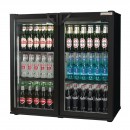
 Bottle Coolers & Beer Fridges
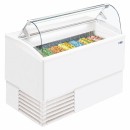 Ice Cream Displays
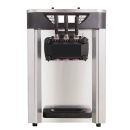 Ice Cream Machines
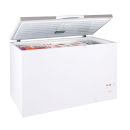 Chest Freezers
 Commercial Freezers
 Commercial Fridges
 Ice Cube Makers and Flakers
 Wine Coolers
 Bain Maries
 Commercial Microwaves
 Commercial Sinks
 Commercial Ovens
 Fryers and Chip Scuttles
 Glass and Dishwashers
 Pie Warmers & Hot Food Displays
 Pizza Ovens
 Water Boilers
 Bar Supplies
 Bowls & Display Baskets
 Cash Registers
 Chafing Dish Sets & Fuel
 Menus & Boards
 Table Numbers & Stands
 Salt, Pepper & Spice Mills
 Crockery
 Cutlery
 Glassware
 Wine Glasses
 Bins
Bins Cleaning Chemicals
 GreasePak
 Janitorial Equipment
 Laundry Equipment
 Coffee Machines
 Juice Dispensers
 Juicers
 Drink Blenders
 Milkshake Blenders
 Slush Machines
 Water Boilers
 Cookware
 Gastronorm Containers
 Ingredient Bins
 Pastry & Baking
 Utensils
 Pizza Pans & Equipment
 Food Storage
 Food Transport & Delivery Bags
 Folding Furniture
 Garden and Outdoor Furniture
 High Chairs
 Chairs
 Tables
Serve Over Deli Counters
Commercial Serve Over Deli Counters are essential investments for UK delis, food shops, cafés and butchers looking to showcase fresh products with style and precision. With temperature ranges typically between 0-5°C and premium curved glass displays, these refrigerated cabinets keep your produce looking irresistible while maintaining optimum freshness. After 50 years in the business, we've seen how these versatile counters transform food retail spaces—pairing brilliantly with patisserie displays and food preparation equipment to create a complete serving solution. They're perfect for any establishment serious about presenting chilled goods in their most appetising light!
Shop By
-
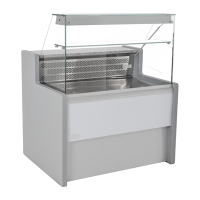 £2,303.50 £3,455.26
Commercial Serve Over Counter | Display Fridge | 1000mm Grey | Zoin Tibet FP924-100
1215H x 1000W x 790D mm
Zoin
Energy-saving auto off cycle defrost reduces running costs
Stainless Steel
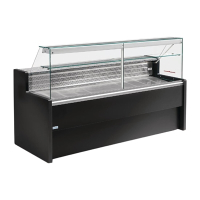 £2,421.02 £3,631.54
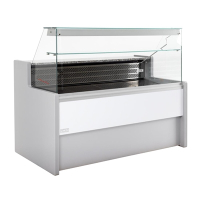
Commercial Serve Over Counter | Display Fridge | 1000mm Black | Zoin Tibet FP922-100
1215(H) x 1000(W) x 790(D)mm
Zoin
Energy-saving auto off cycle defrost reduces running costs
Stainless Steel
 £2,667.84 £4,001.76
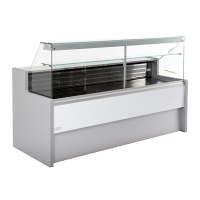
Commercial Serve Over Counter | Display Fridge | 1500mm Grey | Zoin Tibet FP924-150
1215(H) x 1500(W) x 790(D)mm
Zoin
Energy-saving auto off cycle defrost reduces running costs
Stainless Steel
 £3,208.45 £4,812.67
Commercial Serve Over Counter | Display Fridge | 2000mm Grey | Zoin Tibet FP924-200
1215(H) x 2000(W) x 790(D)mm
Zoin
Energy-saving auto off cycle defrost reduces running costs
Stainless Steel
£3,325.98 £4,988.98Commercial Serve Over Counter | Display Fridge | 2000mm Black | Zoin Tibet FP922-200
1215(H) x 2000(W) x 790(D)mm
Zoin
Energy-saving auto off cycle defrost reduces running costs
Stainless Steel
 £3,878.35 £5,817.53
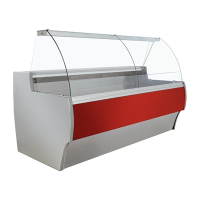
Commercial Serve Over Counter | Display Fridge | 2000mm White with Red Trim | Zoin Barkly HZ876-200
1300(H) x 2000(W) x 1000(D)mm
Zoin
185 Ltr
Aluminium
Commercial Serve Over Deli Counters for Delis & Food Shops
Explore More About Serve Over Deli Counters
Get expert guidance, see real chef stories, and find answers to your most common questions.
Brands Trusted by Industry Professionals
Key Features and Benefits
- Temperature Control Precise digital controls maintain perfect 0-5°C—ideal for delicate foods.
- Superior Visibility Curved or straight glass showcases products from all angles—boosts impulse sales.
- Food Safety Assurance Constant cooling keeps perishables within safe temperature ranges.
- Energy Efficiency Modern compressors reduce power consumption—lowers running costs.
- LED Lighting Bright, cool illumination enhances product appeal without heating.
- Rear Access Doors Sliding panels for quick, easy staff service—speeds up workflow.
- Auto Defrost Self-maintaining systems—less downtime and maintenance faff.
- Customisable Options Various sizes and configurations to fit any shop layout.
Too busy to read? Listen instead.
In this episode of The Deep Dive, we explore commercial serve‑over counters—ideal for buffets, delis, and salad bars. Learn how they support portion control, maintain food temperatures, improve customer flow, and comply with hygiene standards.
13.47min | Expert-led | Real-world advice
Read Full Podcast Transcript: "Serve Over Deli Counters" 0:00: OK, let's dive deep.
0:02: Here on the deep dive, we take source material, it could be articles, research, notes like today's, and we pull out the most important insights, just for you.
0:12: Exactly.
0:13: Think of it as us doing the legwork, finding those key takeaways, maybe some surprising bits you wouldn't expect.
0:20: And today, it's something you probably see all the time, but maybe don't think twice about.
0:24: The commercial serve over deli counter, right?
0:27: Our material today is basically a supplier's guide like a product listing with lots of detail.
0:32: Yeah, so our mission here is to unpack what these things are, why they're so essential for certain shops, and what really matters when choosing or using one, and we're sticking only to what's in this source material.
0:43: It might sound simple kill display case, but honestly, digging into this material, there's actually a lot going on design, tech, food, science, even business strategy.
0:52: It's more than just keeping things cold.
0:54: OK, let's get into it.
0:55: Let's do it.
0:56: So first off, based on this source, what exactly is a commercial serve over deli counter?
1:01: Well, the source defines them as essential refrigerated cabinets, display equipment, really.
1:06: And their main job, what's the core purpose?
1:09: It's kind of twofold.
1:11: showcasing products.
1:12: You know, meats, cheeses, salads, that kind of thing, making them look good, and crucially, keeping them at the perfect temperature.
1:22: So it's about presentation and keeping things fresh and safe.
1:24: Gotcha.
1:25: So they're actively working, not just sitting there looking pretty.
1:28: Exactly.
1:29: And the material really stresses how they can kind of transform a retail space.
1:33: They guide customers, highlight products, they're part of the shop's whole setup.
1:38: Is there a specific temperature they aim for?
1:40: Yeah, the standard range mentioned is typically 0 to 5 °C.
1:44: Keep things nicely chilled.
1:45: OK.
1:46: So you mentioned one brand, Zoing had a slightly different range.
1:49: , yes, good point.
1:52: The source notes their ventilated system aims for + 2 to + 6 °C.
1:56: Ventilated system.
1:58: What does that mean practically speaking?
2:00: Well, the description suggests it's about circulating the cold air more actively, more evenly inside the cabinet.
2:05: So for that.
2:05: That specific + 2 to plus 6 range, it probably helps keep the temperature really consistent everywhere inside, which could be important for certain foods.
2:13: OK, that makes sense.
2:14: So who needs these?
2:15: Which businesses find them absolutely essential?
2:18: The source lists them out pretty clearly.
2:20: UK delis, definitely, food shops, cafes that sell chilled items, butchers, basically, any retailer selling fresh refrigerated stuff directly over the counter.
2:32: So, places where you're looking right at the food while you order.
2:35: Precisely.
2:36: Think premium cheeses, fresh meats, those nice chilled sandwiches or pastries, grab and go salads, stuff where seeing how fresh and appealing it is, really matters.
2:46: Let's talk about that appeal.
2:47: The design must be a big part of it.
2:49: What does the source say about how they look?
2:51: The glass display is key.
2:53: It mentions premium glass, and you get two main styles, curved or straight.
2:57: What's the difference there?
2:58: Well, the curved glass is highlighted as giving better visibility, kind of lets you see the products from more angles, draws you in maybe in the straight glass.
3:06: That's more about maximizing the actual display area, getting more product in view.
3:11: So it's a bit of a trade-off for the business owner.
3:14: C versus show perhaps.
3:16: Interesting.
3:17: What about for the staff behind the counter?
3:19: Any design features for them?
3:21: Yes,, easy access sliding rear doors are mentioned.
3:25: They make it quicker for staff to serve customers.
3:28: speeds things up.
3:29: Yeah, and importantly, it means the cabinet isn't open for as long, which helps keep the temperature inside stable, less cold air escaping.
3:37: Smart and keeping that temperature right.
3:39: What else helps with that?
3:41: Digital controls are mentioned as essential.
3:43: Let you set and check that 0 to 5 degree range really precisely.
3:47: Makes sense.
3:47: Any other techie bits?
3:49: -huh.
3:50: Automatic defrost functions, that means less manual work.
3:53: And modern compressors designed to be more energy efficient.
3:57: That's a big deal for running costs.
3:58: I bet, and the lighting must be important for how things look.
4:02: Oh, absolutely.
4:03: LED lighting gets a specific mention.
4:05: It makes the food look great, but doesn't add heat, which is obviously crucial in a fridge.
4:08: Right, wouldn't want the lights warming things up.
4:11: Exactly.
4:11: The force also talks about durable stuff like stainless steel shelves inside, different finishes like white, black or gray, even options like front bumpers or drawers on some specific models like the igloo ones.
4:23: Sounds like there's quite a bit of choice and flexibility needed.
4:26: Definitely.
4:27: The material points to customizable options, lots of different sizes to fit the space.
4:32: And some models being multiplexible, multiplexible.
4:36: What's that mean?
4:37: It means you can basically join several units together side by side, so they look like one long continuous counter.
4:43: OK, yeah, great for bigger places that want a really impressive unbroken display for different types of products.
4:49: OK, so we know what they look like, what features they have, how do they actually work?
4:53: The cooling part.
4:54: It's, you know, standard refrigeration tech, mostly circulating chilled air inside that display area and the glass.
5:01: Well, that's the showcase, obviously, but it's also a barrier.
5:05: Keeps the cold in, helps with hygiene.
5:06: The system underneath is running constantly to keep things cool.
5:09: And as we said, some use that ventilated system for maybe more even cooling.
5:14: Right.
5:14: So if you're a shop owner looking at this guide, what are the absolute must think about things before buying?
5:21: OK, number one, according to the source, size and capacity.
5:25: Measure your space very carefully, not just for the unit itself.
5:29: No.
5:29: Crucially, you need to leave enough room for staff to actually work behind it comfortably and safely.
5:34: Good point.
5:35: Are there typical sizes mentioned?
5:37: Yeah, they mentioned depth options like a standard 700 millimeter deep or a deeper 800 millimeter one, and lengths vary a lot from maybe 1 m up to 3 m or potentially even more if multiplexed.
5:48: How do you choose the length?
5:49: You've got to figure out how much product you need to display to meet your daily sales.
5:53: The source also lists specific internal capacities for some models, you know, like 175 L or 255 L to give you an idea.
6:01: OK.
6:02: What about actually getting it installed?
6:04: Yeah, installation is a big one.
6:05: The source says most need professional installation, and you absolutely need proper ventilation around the unit.
6:11: Good airflow is critical for it to work efficiently and last a long time.
6:15: Blocked vents mean trouble, and power, can you just plug it into any socket?
6:20: Hm.
6:20: Not always.
6:21: Electrical needs are important.
6:23: Most need their own dedicated circuit, usually a 13 amp supply, but bigger units.
6:29: They might need something called 3-phase power.
6:32: Whoa, OK, 3-phase power, that sounds serious.
6:35: What does that mean for a small business owner?
6:37: It's basically A heavier duty electrical supply than your standard wall socket.
6:43: Different wiring, often higher voltage.
6:46: So you can't just assume.
6:47: Definitely not.
6:48: You have to check beforehand if a unit needs it, because you might need an electrician to come in and install the right outlet.
6:53: That's an extra cost and complexity you need to factor in.
6:56: Right?
6:56: Good warning.
6:57: Anything else to consider when buying?
6:58: Yeah, don't forget the little things, accessories, the source mentions thinking about food trays that fit properly, price tag holders.
7:07: Stuff you need for presentation and just organizing everything inside.
7:10: OK, so the counter is bought, it's installed.
7:12: How does the business keep it running well day to day?
7:15: The source had tips on usage and maintenance, right?
7:18: It did.
7:19: First tip, always let the counter get down to its proper cold temperature before you load it with food.
7:26: Don't put warm products straight into a unit that's still cooling down.
7:29: Makes sense, and cleaning daily.
7:32: Minimum is wiping down and sanitizing any surface that touches food, and then a deeper clean once a week is recommended.
7:39: Hygiene is is non-negotiable.
7:41: How about arranging the food inside?
7:43: Does it matter?
7:43: Yes, definitely.
7:45: Organize by product type, and be aware of temperature requirements within the case if they vary slightly.
7:50: It's not just about looking tidy, it helps prevent cross contamination.
7:54: Good point.
7:55: And keeping things visible, right, visibility equals sales.
7:58: So, the source says, replace those LED bulbs if they start getting dim.
8:03: Don't lose that visual appeal you paid for.
8:05: Any tips for managing the stock itself?
8:07: Using gastronome food trays is mentioned as a practical idea.
8:10: Gastronome trays, what are they?
8:12: They're basically standard sized food containers used everywhere in catering and kitchens.
8:16: like standard sizes.
8:18: Exactly.
8:18: Using them in the counter makes rotating stock much easier.
8:21: Use the swap trays in and out, and they fit with other equipment you might have in the back.
8:25: Standardization helps efficiency.
8:27: Got it.
8:28: What about the mechanics?
8:30: Keeping the refrigeration system itself happy?
8:32: Yeah, schedule professional servicing every 6 to 12 months is the recommendation.
8:37: Just like a car, regular checks can prevent big expensive breakdowns later.
8:41: Sensible.
8:42: Any key safety points mentioned?
8:44: Oh, yes.
8:45: Check the actual food temperature daily with a separate thermometer.
8:48: Don't just rely on the unit's display.
8:50: That's your real food safety check.
8:52: OK.
8:53: Also, don't overload the counter.
8:55: You need air to circulate properly for even cooling.
8:58: Keep the area around the compressor clear, so it doesn't overheat.
9:02: And if you ever have to move the unit, use the right technique.
9:05: They're heavy.
9:06: So all this detail, the design choices, the tech features, the upkeep.
9:10: Why is getting this right so critical?
9:12: What's the actual impact for a business?
9:14: Well, this is where the source really emphasizes the payoff.
9:17: First up, more sales, plain and simple, those attractive displays, good lighting.
9:22: That they encourage impulse buys.
9:24: Is there data on that, like the browsing time thing?
9:27: Yes, the source cites that good lighting can make people browse for 30% longer, and there's a quote from a specialist saying that getting the presentation spot on temp light layout can boost chilled sales by, 20 to 30%.
9:42: Hang on, 20 to 30% just from the display counter, that seems massive.
9:46: What is it about the counter itself that drives that according to the source?
9:50: It really seems to be that combination we talked about the clear glass showing off the food, the bright LED lights making it look fresh and appealing, and the fact that the temperature is spot on, so it stays looking good all day.
10:02: It just makes the product look well.
10:04: Desirable.
10:05: Yeah, there's a great quote in the source.
10:07: The right deli counter isn't just refrigeration.
10:09: It's a silent salesperson.
10:11: That really sums it up.
10:12: OK, what else?
10:13: Beyond sales?
10:14: Big one.
10:15: Food freshness.
10:16: Consistent cooling means longer shelf life, and that means less food waste, which saves money.
10:20: Is there a stat about temperature variation?
10:23: Yes, quite a stark one.
10:24: It says every 1 °C difference from the ideal can cut shelf life by potentially up to 20%.
10:31: Wow, yeah.
10:32: The specialist quoted Liam Sinclair.
10:35: He stresses that good airflow and easy staff access are really key to keeping things looking and tasting great.
10:41: And the third benefit.
10:42: It's about image.
10:43: A clean, modern, well-stocked counter just makes the whole shop look more professional.
10:49: It tells customers you care about quality.
10:51: And the source actually gave a real-world example of this, didn't it?
10:53: Made it really concrete.
10:55: It did, yeah.
10:56: The story about a family-run deli in Bristol.
10:58: They had an old counter apparently.
11:00: Temperature all over the place, poor lighting.
11:02: Making nice cheese look sad.
11:04: Exactly, not what you want.
11:06: So they took the plunge, used the advice like in this guide, and got a new curved glass one with good LEDs, digital controls.
11:14: The work and the results.
11:15: According to the owner and the source, it was immediate.
11:18: Customers noticed.
11:19: Sales of their chilled stuff went up by 35%, 35%, yeah.
11:23: And because the new unit was more energy efficient, their electricity bills actually went down.
11:28: Wow, OK, so higher sales and lower costs.
11:31: That's like the ultimate goal for any equipment upgrade.
11:34: It really shows it's not just an expense, it's like a strategic investment.
11:39: It really does nail that point home.
11:41: A powerful case study for getting it right.
11:44: Of course, it's not all sunshine and roses.
11:47: The source did mention some downsides or cons.
11:50: True.
11:51: The two main ones are, one, the initial cost is higher than maybe simpler refrigeration.
11:55: It's an investment.
11:57: And two, they do require that regular cleaning and maintenance we talked about.
12:00: You have to look after them.
12:02: Looking through the source material, the product listings themselves show a huge variety.
12:06: Oh yeah, loads of options.
12:07: The source we had covered 89 different items.
12:10: Brands like Igloo, Blizzard, Zoin were featured, and the prices, big range, very big.
12:15: Listed prices went from around 840 pounds maybe for a smaller basic one.
12:19: Up to over 6000 pounds for some of the big fancy ones and different types for different foods.
12:24: Yep.
12:25: They categorize them like specific meat serveovs, general purpose ones, ambient displays for non-chilled stuff like pastries, even special fish display counters, and within the brands, different model ranges too, Pico, Rhoda, Zita, Tobai, Luzon, Sigma, Sunbier, Crystal, each probably with slightly different looks or features.
12:46: So, let's try and wrap this up, pulling everything together from this deep dive into the supplier guide.
12:51: What's the main takeaway on these counters?
12:53: I think it's that they're way more than just fridges with glass fronts.
12:57: They're actually strategic business tools.
12:59: Absolutely vital for any shop selling fresh food over the counter.
13:03: Right.
13:04: They drive sales because they make food look appealing, they protect food safety and cut waste through temperature control, and they boost the shop's whole image.
13:12: Exactly.
13:12: And choosing the right one means really thinking about your space, how much you sell, power needs, installation.
13:19: And committing to looking after it.
13:20: So it's an investment like you said, but as that Bristol Deli showed, get it right and the payoff in sales and efficiency can be pretty huge.
13:28: Absolutely, definitely changes how you see them next time you're in a shop.
13:31: It really does.
13:33: So what does this all mean?
13:34: Well, think about it next time you're choosing something from a deli counter.
13:37: Are you just seeing food in a box?
13:40: Or are you maybe seeing the result of all that design, the engineering, the food science, and the business strategy working together behind that class?
Essential Buying Considerations
Size and Capacity
- Measure your space precisely—allow room for staff movement behind counters.
- Consider depth options—standard 700mm or deeper 800mm for larger displays.
- Length options from 1m to 3m—match to your daily product volume.
Installation and Operation
- Most require professional installation—factor this into your timeline.
- Check ventilation requirements—needs proper airflow for efficiency.
- Consider display accessories like food trays and price tag holders.
How Commercial Serve Over Deli Counters Work
Ever wondered what makes these clever cabinets tick? At their heart, serve over counters use refrigeration technology to circulate chilled air around the display area, maintaining temperatures between 0-5°C—perfect for preserving meats, cheeses, and prepared foods. The curved or straight glass fronts create an attractive showcase while providing a protective barrier. Many models feature sliding rear doors for staff access, digital temperature controls for precision cooling, and automatic defrost functions to maintain optimum conditions. The underlying refrigeration system works continuously to ensure your products stay perfectly chilled all day—keeping food fresh and customers coming back!

Trusted Insights from Liam Sinclair

Refrigeration Specialist
13+ years experience
"Serve over counters aren’t just about display—they’re your front line for freshness. Choose a model with great airflow and easy access, and you’ll keep your meats, cheeses, and salads looking (and tasting) top-notch all day long."Safety Guidelines
- Check Temperatures Monitor daily with separate thermometer—ensures food safety.
- Power Management Use dedicated electrical circuit—prevents overloads.
- Regular Cleaning Sanitise all food contact surfaces daily—stops contamination.
- Ventilation Space Maintain clearance around compressor—prevents overheating.
- Load Correctly Never exceed capacity—ensures proper air circulation.
- Handle With Care Use proper technique when moving—prevents injuries.
Top Tips for Using Commercial Serve Over Deli Counters
For maximum performance, always allow your counter to reach operating temperature before loading with products. Clean display surfaces daily with food-safe sanitiser and organise products by type and temperature requirements. Replace LED bulbs promptly when they dim to maintain optimal product visibility. Consider using gastronorm food trays for easy rotation of stock, and schedule professional service checks every 6-12 months to ensure the refrigeration system stays in top nick.
Benefits of Using Commercial Serve Over Deli Counters
- Sales Growth Attractive displays increase impulse purchases—boosts revenue.
- Food Freshness Consistent cooling extends shelf life—reduces waste.
- Professional Image Quality presentation elevates your shop's reputation.
Did You Know?
- Customer Behaviour Well-lit deli displays can increase browsing time by 30%.
- Energy Usage Modern models use 40% less power than decade-old units.
- Temperature Impact Every 1°C variance can reduce food shelf life by up to 20%.
- Longevity Quality serve over counters last 8-10 years with proper maintenance.




Expert Insights on Commercial Serve Over Deli Counters
Having supplied these units to thousands of UK food businesses over 50 years, we've learned what matters. 'The right deli counter isn't just refrigeration—it's a silent salesperson,' says Mark, our display specialist. 'Getting the temperature, lighting and presentation right can lift sales by 20-30%.'
- Pros: Superior food presentation, flexible layouts, reliable cooling.
- Cons: Higher initial investment, requires regular cleaning and maintenance.
Who Needs Commercial Serve Over Deli Counters?
- Delicatessens Perfect for showcasing premium cheeses, meats, and prepared foods.
- Butcher Shops Ideal for displaying fresh cuts while maintaining temperature.
- Cafés Brilliant for chilled sandwiches, pastries, and grab-and-go items.
- Food Retailers Essential for any shop selling fresh, refrigerated products.
Real-World Success with Commercial Serve Over Deli Counters
A family-run deli in Bristol provides a cracking example of the difference the right counter makes. Their old unit was constantly struggling to maintain temperature and had poor lighting, leaving their gorgeous artisan cheeses looking rather sad. After upgrading to one of our curved-glass models with LED lighting and digital controls, they saw immediate results. 'Our new counter has transformed how customers see our products,' the owner told us. 'We've seen a 35% increase in chilled product sales and the energy bills are actually lower—it's been brilliant for business.'

FAQs
- How often should I clean my serve over counter? Daily wipe-down with weekly deep clean—keeps it hygienic and sparkling.
- What temperature should a deli counter maintain? Between 0-5°C for most chilled products—check specific food requirements.
- Can I display different foods together? Group similar foods requiring the same temperature—prevents cross-contamination.
- How long do commercial deli counters last? Quality models last 8-10 years with proper maintenance.
- Do I need special electrical requirements? Most need dedicated 13A supply—larger units may require three-phase power.
- Are curved or straight glass displays better? Curved offers better visibility; straight maximises display space—depends on your needs.
Looking for Equipment by Business Type?
Not sure where to start? Whether you're running a bustling café, opening a pizzeria, or managing a school canteen, we've made it easy to shop by business type. Explore handpicked equipment bundles and essentials tailored to your industry—saving you time and making sure you get exactly what you need.
Other Categories You Might Find Useful
We’ve selected some closely related categories that might be essential for your setup. Whether you’re expanding your kitchen or just making sure you’ve got everything covered, these links will help you explore more equipment that fits your needs.
Commercial Meat Preparation Equipment for Restaurants & Butcheries Commercial Meat Display Counters for Butchers & Delis Commercial Food Display Cabinets for Restaurants & Cafés Commercial Food Labels & Storage Solutions for Restaurants & Kitchens Commercial Food Preparation Equipment for Restaurants & Caterers Commercial Food Storage Solutions for Restaurants & Catering Commercial Food Warmers for Restaurants & Catering Commercial Food Waste Disposers for Restaurants & KitchensWhat our Customers Say
'Our new deli counter has completely transformed our shop front—customers can't resist!'
L Liam Artisan Deli Owner, Bath'Reliable temperatures and gorgeous display—well worth the investment.'
M Mira Farm Shop Manager, Yorkshire
Why Choose EasyEquipment for Commercial Serve Over Deli Counters?
- Proven Experience 50 years supplying UK food businesses—unmatched expertise.
- Nationwide Delivery Professional delivery service—carefully handled installation.
- Best Price Guarantee Found it cheaper? We'll match it—fair deals always.
- Ongoing Support Technical advice and service recommendations—we're with you long-term.
Ready to Explore Commercial Serve Over Deli Counters?
Browse our complete range of serve over counters with various sizes, styles and configurations to suit any food business. From compact café units to extensive deli displays—find your perfect refrigerated showcase with expert guidance every step of the way.