
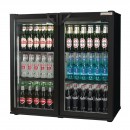
 Bottle Coolers & Beer Fridges
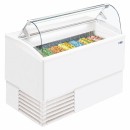 Ice Cream Displays
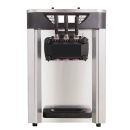 Ice Cream Machines
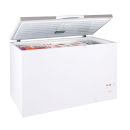 Chest Freezers
 Commercial Freezers
 Commercial Fridges
 Ice Cube Makers and Flakers
 Wine Coolers
 Bain Maries
 Commercial Microwaves
 Commercial Sinks
 Commercial Ovens
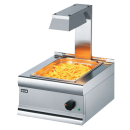 Fryers and Chip Scuttles
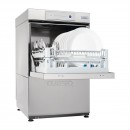 Glass and Dishwashers
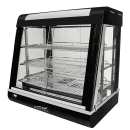 Pie Warmers & Hot Food Displays
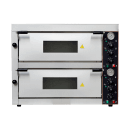 Pizza Ovens
 Water Boilers
 Bar Supplies
 Bowls & Display Baskets
 Cash Registers
 Chafing Dish Sets & Fuel
 Menus & Boards
 Table Numbers & Stands
 Salt, Pepper & Spice Mills
 Crockery
 Cutlery
 Glassware
 Wine Glasses
 Bins
Bins Cleaning Chemicals
 GreasePak
 Janitorial Equipment
 Laundry Equipment
 Coffee Machines
 Juice Dispensers
 Juicers
 Drink Blenders
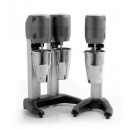 Milkshake Blenders
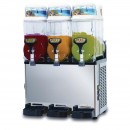 Slush Machines
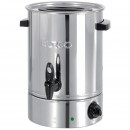 Water Boilers
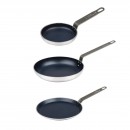 Cookware
 Gastronorm Containers
 Ingredient Bins
 Pastry & Baking
 Utensils
 Pizza Pans & Equipment
 Food Storage
 Food Transport & Delivery Bags
 Folding Furniture
 Garden and Outdoor Furniture
 High Chairs
 Chairs
 Tables
Pressure Cookers
Commercial pressure cookers are game-changers for busy UK restaurants, hotels and catering operations looking to deliver quality food at pace. These robust workhorses dramatically cut cooking times—think tender stews in 30 minutes rather than 3 hours! With capacity options ranging from compact 7L models to impressive 50L giants, they're built specifically for professional kitchens handling high-volume service. After 50 years in the business, we've seen how these cookers transform kitchen efficiency when paired with commercial stockpots and induction hobs. For venues wanting to serve meltingly tender meats, perfect risottos and flavour-packed stews without the wait, they're absolutely essential!
Shop By
-
 £482.85 £724.27
Commercial Pressure Cooker | 10 Litre Capacity | Stainless Steel | Artame CM580
6.2 kg130H x 0W mm
Artame
10Ltr
Stainless Steel
 £514.96 £772.44
Commercial Pressure Cooker | 15 Litre Capacity | Fast Cooking | Artame CM581
7.19195(H) x 320mm
Artame
15Ltr
Stainless Steel
 £540.90 £811.34
Pressure Cooker | Commercial Pressure Cooker | 23 Litre Capacity | Artame CM582
8.14295H x 0W mm
Artame
23Ltr
Stainless Steel
Commercial Pressure Cookers for Restaurants & Catering Services
Explore More About Pressure Cookers
Get expert guidance, see real chef stories, and find answers to your most common questions.
Brands Trusted by Industry Professionals
Key Features and Benefits
- Rapid Cooking Speed Slashes cooking times by up to 70%—perfect for busy service periods.
- Versatile Applications Handles everything from tough meats to pulses and stocks brilliantly.
- Durable Construction Heavy-duty stainless steel built for years of commercial kitchen abuse.
- Precise Pressure Control Multiple settings for different dishes—perfect results every time.
- Energy Efficiency Uses significantly less power than traditional cooking methods—cuts bills.
- Flavour Preservation Sealed environment locks in nutrients and intensifies taste.
- Easy Cleaning Removable parts and stainless surfaces for quick turnaround.
- Labour Saving Set-and-forget cooking frees staff for other tasks.
Too busy to read? Listen instead.
In this episode of The Deep Dive, we explore commercial pressure cookers—how they accelerate cooking, preserve nutrients, improve flavor extraction, and enhance efficiency in high‑volume kitchens. Learn what features make them safe, durable, and compliant.
12.06min | Expert-led | Real-world advice
0:00: Welcome to the deep dive.
0:02: Today, we're pulling back the curtain on a really key piece of kit in professional kitchens.
0:09: The commercial pressure cooker.
0:10: Yeah, and these aren't like the one maybe your gran had on the stove.
0:13: We're talking the serious heavy duty units you find in, you know, restaurants, hotels, catering businesses.
0:20: Exactly.
0:21: We've been digging into the info out there about these cookers trying to get to the heart of what makes them so vital.
0:26: That's right.
0:27: And our mission here is to go a bit deeper, you know, not just what they are, but why they've been such a fixture for, well, decades really.
0:35: We want to pull out the core stuff and maybe some surprising bits about how much they can change things.
0:39: Change things is right, because, look, these units can take something that normally needs hours and Hours of simmering, right, like half a day sometimes and get it perfect in what, under an hour.
0:48: Think about making a really rich beef stew during service, not hours before.
0:53: That's the kind of impact we're talking about.
0:55: Exactly.
0:56: So maybe start with the basics.
0:57: What makes a pressure cooker commercial?
0:59: Well, fundamentally they're just built tough, really robust, high-capacity pots designed for constant use in a pro kitchen.
1:07: They need durability, volume, precision, stuff a whole model just doesn't have.
1:12: And the main reason chefs and managers love them.
1:15: The big selling point.
1:17: It really boils down to two things speed and quality together.
1:22: They cut cooking times like crazy, but still deliver high quality food consistently, even when it's manic.
1:28: You often see them working alongside other pro gear, right, like stock pots or induction ops.
1:32: Yeah, exactly.
1:33: They fit into that whole efficient workflow.
1:35: They're not just stand-alone gadgets, they're part of the system, and they've been around a while.
1:38: This isn't some new fad.
1:40: Oh, absolutely not.
1:41: The source.
1:42: say they've been making an impact for 50 years or so.
1:44: It's proven tech, relied on by places that need that consistency, that quality, meltingly tender meat, perfect beans, fast.
1:53: OK, the results sound great, but how does just sealing a pot do all that?
1:58: What's the actual science?
1:59: It's pretty neat, actually.
2:00: So you seal the pot completely, trapping everything above the food and liquid.
2:04: Then as you heat it, the liquid turns to steam.
2:08: But because it can't escape, the pressure builds up.
2:11: Exactly.
2:11: The steam builds pressure inside that sealed pot, and that pressure changes things, changes the cooking physics.
2:17: Precisely.
2:18: See, normally water boils at 100 degrees Cel, right?
2:21: Standard atmospheric pressure.
2:23: But inside that pressurized cooker, the boiling point gets pushed way up, typically around 120 °C in a commercial one.
2:30: So you're cooking hotter, much hotter, and cooking at that higher temperature is what speeds everything up so dramatically.
2:36: OK, a 20 degree jump.
2:38: Combined with the pressure, just how much faster are we talking?
2:42: Is it really that significant?
2:43: Oh yeah, the figures are pretty consistent across the sources.
2:47: Cooking times slashed by up to 70% compared to, say, simmering on the hob.
2:53: 70%, 70%.
2:55: Think about that.
2:55: Beef stew example again.
2:57: 3 hours simmering versus maybe 30 minutes in the cooker.
3:00: OK, right, that is massive.
3:01: But hang on, does cooking that fast affect the food negatively?
3:04: You know, we always associate slow cooking with tenderness and deep flavor.
3:09: And that's the really interesting part, the quality.
3:11: It's not just faster heating.
3:13: Because it's sealed and under pressure, it physically forces moisture and flavor into the food, forces it in.
3:20: How does that work?
3:21: Well, think about tough meat cuts.
3:23: The pressure helps break down those tough connective tissues much faster, yes, but it's also pushing liquid into the muscle fibers, so you get incredibly tense.
3:32: results without it drying out.
3:33: , I see.
3:34: So it's tender and moist.
3:36: Exactly.
3:37: Plus, because it's sealed, fewer nutrients escape compared to boiling, and the flavors get really concentrated, makes everything taste richer, more intense.
3:46: It kind of flips that idea that fast cooking means lower quality.
3:51: That force moisture thing is fascinating.
3:53: It's not just about heat, it's changing how the food interacts with the liquid.
3:56: So let's unpack the main benefits then.
3:58: Number one, obviously is that speed.
4:00: Absolutely.
4:01: Cutting cooking times by potentially 70%, that's a total game changer for kitchen workflow, especially doing busy service.
4:08: It means you can cook more flexibly, maybe even order sometimes.
4:11: And they're not just for stews and tough meats, are they?
4:14: What else?
4:14: Oh, they're super versatile, great for tough meats, yes, and brilliant for things like dried beans or pulses, cuts down that soaking and simmering time massively, but also fantastic for making really clear stocks much faster.
4:27: perfect rice, barley, other grains, even quick risottos or steamed puddings, lots of uses.
4:34: OK.
4:35: And we touched on food quality, better nutrients, more intense flavor, that meltingly tender texture.
4:41: What about the bottom line?
4:43: Energy use.
4:44: Huge benefit there and really important nowadays with costs, because it cooks so fast, a pressure cooker uses way less energy, could be up to 70% less than having a pot bubbling away on the stove for hours.
4:55: That's a direct saving on the bills then, directly and Durability.
4:59: How do they cope with kitchen life?
5:01: Yeah, kitchens are tough environments.
5:02: They're built like tanks, basically.
5:04: Commercial ones are heavy duty stainless steel designed for constant high volume work.
5:09: You look after a good quality one.
5:10: It'll easily last 10 years, probably more.
5:13: It's an investment.
5:14: Is it just one pressure setting, or do you get control?
5:17: No, you get really precise control.
5:19: Good models have multiple pressure settings, so chefs can tweak at higher pressure for things like beans or tough meats, maybe lower for delicate veg or fish, and cleaning, always a potential headache, usually.
5:33: Straightforward, thankfully.
5:34: Most have parts that come out easily and the stainless steel cleans up like your other pots and pans.
5:39: Not too bad.
5:40: OK.
5:41: And one last big one, saving labor.
5:43: Yeah, this is huge, especially during service.
5:47: Once it's sealed and up to pressure, you basically set the timer and leave it, said and forget pretty much.
5:52: That frees up staff who'd otherwise be stirring, checking, skimming traditional pots.
5:57: They can be doing other prep.
5:59: That's a really strong list of plus points.
6:01: OK, so if a kitchen's thinking about getting one, what do they need to consider?
6:05: Size must be a big one.
6:06: Capacity is absolutely key, and they come in a massive range.
6:09: You can get smaller ones, maybe 710 L.
6:11: Mid-range is often around 2025 L.
6:14: Then you.
6:14: Get the big beasts, 40, even 50 liters.
6:17: Who needs which size roughly?
6:19: Well, maybe a small cafe doing a couple of soups or sauces might be fine with a 7 or 10 L.
6:25: Most busy restaurant kitchens seem to find that 2025 L size is the sweet spot.
6:31: It's good for decent batch sizes, but not impossible to store.
6:34: But if you're doing big banquets or you're a large hotel, high volume catering, then yeah, you're looking at the 40 or 50 L giants.
6:42: We saw specific models mentioned often come in sizes like 10L, 15L, 23L.
6:47: Those seem pretty standard increments and power, gas or electric.
6:51: Does it matter?
6:52: Often depends on what you've already got.
6:53: Gas gives you that instant heat, works well if you have a gas range.
6:57: Makes sense.
6:57: Electric models can be incredibly consistent, very precise temperature control, so they often pair really well with.
7:03: Now safety has to be top priority, especially with pressure involved.
7:08: What's the key advice?
7:10: Absolutely crucial.
7:11: And training is essential.
7:12: Look, modern units have loads of safety features, built-in pressure release valves, lids that lock tight and won't open under pressure, but staff have to know the procedures, no shortcuts.
7:23: Can you run through the main safety checks?
7:24: Sure.
7:25: First, every single time, check the rubber gasket, the seal, is it damaged?
7:29: Is it clean?
7:30: Is it seated properly?
7:31: That seal is vital.
7:34: Make absolutely sure the lid is locked securely before you turn the heat on.
7:39: And the big one, never fill it more than 2/3 full.
7:42: Overfilling is dangerous.
7:43: It can block the safety valves.
7:45: OK, 2/3 max.
7:47: Know how to release the pressure safely afterwards.
7:50: Using the steam vent needs care that steam is incredibly hot, and wait for the pressure to drop completely before you even try to open that lid.
7:57: Let it cool a bit too, and maintenance.
7:59: Yeah, regular checks keep those valves and gauges clean and functional.
8:03: Maybe a monthly check is a good routine.
8:05: It's about ongoing safe operation.
8:07: Those are really important points.
8:09: OK, Beyond safety, any tips for just getting the best food out of it?
8:13: Well, again, make sure that seal is clean and properly in place.
8:18: That guarantees the pressure builds correctly.
8:20: If you're cooking different things together.
8:22: Try to use ingredients that cook in roughly the same time, or if something needs longer, cut it into slightly bigger chunks and repeating this because it matters for results too, don't overfill.
8:34: 2/3 full is generally best for cooking as well as safety.
8:38: What about seasoning?
8:39: Does the pressure affect that?
8:40: It does, yeah, because it concentrates flavors, you usually need less salt, less spice than you'd think initially.
8:46: So maybe season lightly at the start, then you can always adjust it after it's cooked.
8:50: And one specific tip for meats, if the recipe allows, use the natural pressure release.
8:56: That just means turning off the heat and letting the pressure drop slowly by itself.
9:01: It really Helps the meat stay super moist and reabsorb juices, avoids that slightly drier texture you can sometimes get with a quick release.
9:08: Good tip.
9:08: OK, so pulling all this together, who really gets the most out of using these day to day?
9:13: Well, the sources point to a few clear groups, restaurants, for sure, being able to get those slow cooked flavors out quickly during service is huge, definitely.
9:23: Think banqueting, large scale catering, they need the volume and consistency.
9:27: Smaller places.
9:28: Yeah, cafes, bistros, yeah, perfect for prepping soups, stews, maybe batch cooking components for the lunch rush really quickly, and the mobile caterers.
9:38: Absolutely they're fast, they're self-contained, really valuable for saving time on site at events.
9:43: We heard about a specific example, didn't we, that gastropub story?
9:47: Yeah, that really illustrated the impact.
9:49: It was this busy pub apparently in the Cotswolds known for good, hearty food.
9:55: Their big seller was a beef and ale stew.
9:59: Super popular, but it took so long to simmer properly, they just couldn't make enough during service.
10:04: It was limiting sales, stressing the kitchen out, right, a classic bottlenecks.
10:08: So they got pressure cookers, yep, invested in two decent sized ones, 25 L each.
10:13: And the chef said it totally transformed things.
10:16: They could suddenly make big batches of the stew and other slow dishes like currys much, much faster.
10:22: It wasn't just about being more efficient though.
10:24: They'd actually expand the menu because prep was quicker.
10:27: They handled demand better and they noticed their energy bills went down.
10:31: But the key thing, the chef felt the food quality actually improved.
10:36: Customers were apparently commenting on how deep the flavor was, how tender the meat was.
10:41: So it wasn't just about operations, it actually improved the customer experience too.
10:45: Exactly.
10:46: It shows it's not just a faster way to cook, it can be a better way in some cases.
10:51: That's a great example.
10:52: Now, of course, nothing's perfect.
10:53: We've heard all the positives speed, quality, energy saving.
10:57: Any significant downsides?
10:59: Well, the main ones mentioned are, the initial cost.
11:03: They are an investment, and they do take up space, which is always tight in commercial kitchens.
11:08: And as we've stressed, they absolutely require proper staff training on safety.
11:13: That's not a one-off thing.
11:14: It's an ongoing need.
11:15: But for most busy places, the benefits usually seem to stack up pretty heavily against those points.
11:21: OK, that gives a really rounded view.
11:22: So, commercial pressure cooker is definitely more than just a way to cook quicker.
11:26: Yeah, much more.
11:27: They're really tools for hitting higher food quality, saving serious money on energy, and just making the whole kitchen run more efficiently, especially when things get hectic, and understanding them, understanding what they can do, it feels like a real shortcut to knowing about a key bit of kit.
11:44: That makes a massive difference in catering.
11:47: It really does, and it makes you think, doesn't it?
11:49: You look at one piece of equipment like this and consider the ripple effect it has on the menu planning, the speed of service, the utility bills, even how happy the customers are, how many other single tools really in any industry have that kind of deep connected impact across a whole operation, something to ponder.

Essential Buying Considerations
Capacity and Size
- Choose 7-10L models for small restaurants—perfect for sauces and sides.
- Mid-range 20-25L units suit most busy kitchens—balances batch size and storage.
- Large 40-50L models ideal for banqueting and high-volume catering operations.
Power Source and Usage
- Gas models offer instant heat control—pair well with existing gas ranges.
- Electric versions provide consistent results—work beautifully with induction setups.
- Consider pressure indicators and safety valves—essential for busy kitchen environments.
How Commercial Pressure Cookers Work
Ever wondered about the science behind these kitchen marvels? Commercial pressure cookers create a sealed environment where steam builds up, raising the internal pressure significantly above atmospheric levels. This clever design increases the boiling point of water from 100°C to around 120°C, allowing food to cook up to 70% faster than conventional methods. The sealed system also forces liquid and moisture into your food, making even tough cuts of meat wonderfully tender. Most professional models feature precision pressure regulators and safety valves that maintain optimal cooking conditions while preventing any unwanted surprises in your busy kitchen!

Trusted Insights from Oliver Bennett

Commercial Catering Equipment Specialist
12+ years experience
"Pressure cookers are a game-changer for busy kitchens—cutting cooking times without cutting flavour. Just make sure you’re using a commercial-grade model that can handle the heat and the hustle!"
Safety Guidelines
- Check Seals Inspect rubber gaskets before each use—prevents steam leaks.
- Secure Lid Confirm proper locking—essential safety measure.
- Avoid Overfilling Never exceed two-thirds capacity—prevents valve blockage.
- Release Pressure Safely Follow proper venting procedures—prevents burns.
- Cool Before Opening Allow full pressure release—crucial safety step.
- Regular Maintenance Check valves and gauges monthly—ensures safe operation.
Top Tips for Using Commercial Pressure Cookers
To get the most from your commercial pressure cooker, always ensure the rubber sealing ring is clean and properly seated before each use. When cooking different foods, follow the rule of similar cooking times—items requiring longer should be cut larger. For maximum efficiency, don't overfill; two-thirds capacity is the sweet spot for most recipes. Remember that pressure cooking intensifies flavours, so you can often reduce seasoning compared to conventional methods. Finally, use the natural pressure release for meats to prevent them drying out.
Benefits of Using Commercial Pressure Cookers
- Superior Food Quality Retains nutrients and intensifies flavours—delights customers.
- Kitchen Efficiency Speeds up prep for complex dishes—streamlines service.
- Resource Savings Reduces energy costs by up to 70%—boosts your bottom line.
Did You Know?
- Time-saving Pressure cookers can prepare a beef stew in 30 minutes vs. 3 hours traditionally.
- Longevity Quality commercial models often last 10+ years in professional kitchens.
- Versatility Beyond stews, they excel at risottos, pulses, and even steamed puddings.
- Efficiency Uses up to 70% less energy than conventional cooking methods.


Expert Insights on Commercial Pressure Cookers
Having supplied thousands of kitchens over five decades, we've seen firsthand how commercial pressure cookers transform operations. 'They're absolute workhorses,' says Chef Mike, our equipment specialist. 'For busy kitchens wanting to deliver slow-cooked flavours without the wait, there's simply no better tool in your arsenal.'
- Pros: Dramatic time savings, superior flavour preservation, energy efficient.
- Cons: Requires training for staff, takes up storage space.
Who Needs Commercial Pressure Cookers?
- Restaurants Essential for creating slow-cooked flavours during busy service periods.
- Hotels Perfect for banqueting operations and high-volume catering.
- Cafés & Bistros Ideal for preparing soups and stews ahead of busy lunch rushes.
- Catering Companies Portable time-savers for events and off-site cooking.
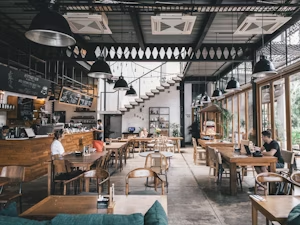
Real-World Success with Commercial Pressure Cookers
A busy gastropub in the Cotswolds provides a brilliant example of pressure cookers in action. They were struggling with their signature beef and ale stew, taking hours to prepare and limiting how much they could serve daily. After investing in two 25L commercial pressure cookers from us, they transformed their operation. 'We now prep all our slow-cooked dishes in a fraction of the time,' the head chef told us. 'We've expanded our menu, reduced energy costs, and our stews and curries taste even better—customers have definitely noticed!'

FAQs
- What size commercial pressure cooker do I need? For small restaurants, 10-15L works well; busy venues typically need 20-30L models.
- Are commercial pressure cookers safe in busy kitchens? Absolutely—modern models have multiple safety features preventing accidents.
- Gas or electric commercial pressure cooker? Gas offers quicker response; electric provides more consistent results—match your kitchen setup.
- How much faster is pressure cooking? Typically 70% faster—a 3-hour stew cooks in just 45-50 minutes.
- Can any chef use a commercial pressure cooker? Yes, but proper training on safety procedures is essential.
- How long do commercial pressure cookers last? Quality models typically serve 7-10 years in busy kitchens with proper maintenance.
Looking for Equipment by Business Type?
Not sure where to start? Whether you're running a bustling café, opening a pizzeria, or managing a school canteen, we've made it easy to shop by business type. Explore handpicked equipment bundles and essentials tailored to your industry—saving you time and making sure you get exactly what you need.
Other Categories You Might Find Useful
We’ve selected some closely related categories that might be essential for your setup. Whether you’re expanding your kitchen or just making sure you’ve got everything covered, these links will help you explore more equipment that fits your needs.
Commercial Kitchen Cleaning Products Commercial Food Thermometers for Kitchens & Catering Commercial Knife Sharpeners for Restaurants & Professional Kitchens Commercial Kitchen Utensils for Restaurants & Catering Commercial Pot Holders & Grippers for Kitchens Commercial Cutting Boards for Professional Kitchens & Restaurants Commercial Baking Trays & Sheets for Restaurants Commercial Ramekins for Restaurants & Catering
What our Customers Say
'Our kitchen's efficiency jumped 40% since adding these pressure cookers!'
J James Head Chef, The Copper Pot, Bristol'Transformed our curry dishes—faster prep with even better flavour!'
L Lisa Kitchen Manager, Royal Oak Hotel, York
Why Choose EasyEquipment for Commercial Pressure Cookers?
- Trusted Supplier 50 years supplying quality kitchen equipment—we know what works.
- Fast Delivery Next-day options across the UK—get cooking quickly.
- Best Price Promise Found it cheaper? We'll match it—fair prices guaranteed.
- Expert Support Talk to knowledgeable staff who understand commercial kitchens.
Ready to Explore Commercial Pressure Cookers?
Transform your kitchen's efficiency with our range of commercial pressure cookers. With models to suit every operation size and cooking need, you'll find the perfect pressure cooker to revolutionise your food preparation and delight your customers!