
 Bottle Coolers & Beer Fridges
 Ice Cream Displays
 Ice Cream Machines
 Chest Freezers
 Commercial Freezers
 Commercial Fridges
 Ice Cube Makers and Flakers
 Wine Coolers
 Bain Maries
 Commercial Microwaves
 Commercial Sinks
 Commercial Ovens
 Fryers and Chip Scuttles
 Glass and Dishwashers
 Pie Warmers & Hot Food Displays
 Pizza Ovens
 Water Boilers
 Bar Supplies
 Bowls & Display Baskets
 Cash Registers
 Chafing Dish Sets & Fuel
 Menus & Boards
 Table Numbers & Stands
 Salt, Pepper & Spice Mills
 Crockery
 Cutlery
 Glassware
 Wine Glasses
 Bins
Bins Cleaning Chemicals
 GreasePak
 Janitorial Equipment
 Laundry Equipment
 Coffee Machines
 Juice Dispensers
 Juicers
 Drink Blenders
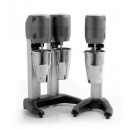 Milkshake Blenders
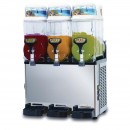 Slush Machines
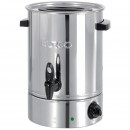 Water Boilers
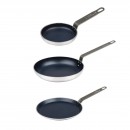 Cookware
 Gastronorm Containers
 Ingredient Bins
 Pastry & Baking
 Utensils
 Pizza Pans & Equipment
 Food Storage
 Food Transport & Delivery Bags
 Folding Furniture
 Garden and Outdoor Furniture
 High Chairs
 Chairs
 Tables
Multideck Display Fridges
Commercial Multideck Display Refrigerators are the workhorses of UK supermarkets, convenience stores, and food retail businesses looking to showcase chilled products with maximum visibility. With adjustable temperature ranges typically between 0-8°C and energy-efficient LED lighting, these vertical display chillers create an irresistible product presentation while maintaining food safety. After 50 years in the business, we've seen how these open-front refrigerated units transform retail spaces—perfectly complementing serve-over counters and island freezers for a complete shop fit-out. For any food retailer serious about boosting impulse purchases and keeping products perfectly chilled, multidecks are absolutely essential!
Shop By
Commercial Multideck Display Refrigerators for Retail & Supermarkets
Explore More About Multideck Display Fridges
Get expert guidance, see real chef stories, and find answers to your most common questions.
Brands Trusted by Industry Professionals
Key Features and Benefits
- Energy-Efficient Design Modern units cut power usage by up to 25%—brilliant for your bills.
- LED Lighting Illuminates products perfectly with minimal heat output and long life.
- Adjustable Shelving Configure shelf heights to suit different products—ultimate flexibility.
- Temperature Control Digital thermostats maintain precise cooling for food safety and freshness.
- Air Curtain Technology Creates invisible cold barrier—keeps products chilled without doors.
- Maximised Display Area Vertical design showcases more products in the same footprint.
- Even Cooling Consistent temperatures throughout—no cold spots or warm corners.
- Robust Construction Built for heavy retail environments—lasts for years with proper care.
Too busy to read? Listen instead.
In this episode of The Deep Dive, we examine commercial multideck display fridges—how they maximize vertical display space, boost product visibility, support impulse sales, and lower energy use. Learn what to look for in shelving, lighting, airflow, and temperature control.
12.51min | Expert-led | Real-world advice
0:00: Welcome to the deep dive.
0:02: Ever find yourself just, staring into those open fridges in the supermarket?
0:06: The one so the drinks and sandwiches.
0:08: Exactly.
0:09: And you wonder how does all that cold air stay in.
0:13: Well, today we're getting into exactly that commercial multi-deck display refrigerators.
0:19: That's right.
0:19: We're drawing on some really good info here from easy equipment.
0:23: They've been in this game for what, 50 years?
0:25: Half a century, yeah.
0:26: So our mission really is to unpack how these things actually work.
0:30: Why are they so vital for, you know, shops and cafes?
0:34: And what should you look out for if you're thinking of getting one, or even if you're just curious about the tech keeping your lunch cool?
0:40: OK, so first things first.
0:42: What exactly is a multi-deck refrigerator?
0:45: Just so we're all on the same page.
0:46: OK.
0:47: Basically, there are those vertical fridges, the ones with no front door, designed purely to show off chilled stuff, make it easy for you to see and grab, right.
0:54: Open front, multiple shelves stacked up.
0:57: Exactly.
0:57: And they usually run somewhere between, say, 0 and 8 °C.
1:01: Most newer ones have that bright LED lighting too.
1:04: So they're really workhorses for displaying everything from drinks, sandwiches, dairy.
1:11: Prepared foods, all that jazz.
1:13: Pretty much anything that needs chilling and needs to be seen.
1:15: And the big aims are, I guess catching your eye, maybe encouraging that impulse by, definitely that, but also crucially keeping the food safe, right?
1:24: Absolutely, food safety is paramount, but that big question still hangs there.
1:28: For me, yeah, how do they keep it cold with no door?
1:31: It feels counterintuitive.
1:32: Let's get into the tech.
1:33: The magic, maybe.
1:35: Well, it seems like magic, but it's actually some clever engineering.
1:38: The core idea is something called the air curtain.
1:40: A curtain.
1:41: OK, yeah, it's literally an invisible barrier of cold air.
1:45: Powerful compressors, circulate a refrigerate that's the fluid that absorbed the heat, kind of like the blood in the system.
1:52: And then you have fans that push this cold air down from the top, usually across the front opening of the shelves.
1:59: So it creates like a, a sheet of cold air falling down.
2:02: Exactly, a continuous flow, and this curtain separates the cold air inside.
2:07: The unit from the warmer air out in the shop.
2:10: It acts as a surprisingly effective seal.
2:12: Wow.
2:13: So it's constantly generating this invisible cold wall.
2:16: That's pretty neat.
2:17: OK.
2:18: Beyond that core trick, what are the other big plus points, the features that make them so useful for businesses?
2:24: Oh, there are quite a few, especially with modern units.
2:27: Energy efficiency is a big one now.
2:28: That they must use a fair bit of power.
2:31: They do traditionally, but newer models can cut power used by, say, up to 25% compared to older ones.
2:38: That's significant.
2:39: It really is.
2:40: And many have an option for night blinds.
2:42: You pull them down overnight after closing time, right, like a physical barrier then, yep, and that simple thing can cut energy use by another 35% potentially.
2:50: Because you're not fighting the ambient air all night.
2:52: A huge savings, it adds up.
2:54: And here's something interesting.
2:55: For every single degree Celsius warmer the shop is, the fridge's energy consumption goes up by about 3%.
3:02: Wow.
3:03: So keeping the overall shop temperature stable really matters for the fridge's running costs too.
3:09: OK, what else?
3:10: Well, we mentioned LED lighting.
3:12: That's pretty standard now, and it looks good, makes the products pop.
3:15: It does, but it's also much more efficient.
3:18: It gives off very little heat compared to older fluorescent tubes, for instance.
3:22: , so less heat for the fridge to fight against.
3:25: Exactly.
3:26: Plus, LEDs last ages, less maintenance, fewer replacement bulbs.
3:31: Makes sense.
3:31: Then you've got adjustable shelving.
3:33: Seems simple, but it gives businesses huge flexibility to display different size products.
3:38: You can really pack the display effectively, maximize that vertical space, precisely.
3:43: And of course, precise temperature control, usually digital thermostats these days.
3:47: This is vital for food safety and keeping everything fresh.
3:49: And what's the ideal temperature range we're talking about?
3:52: Generally for most packaged foods, drinks, sandwiches.
3:57: You're looking at keeping it between 2 and 5 °C.
4:00: That's the sweet spot.
4:02: So it's not just cold, it's a specific stable cold, absolutely critical.
4:06: You need even cooling across all the shelves, no warm spots, that air curtain technology helps achieve that consistency.
4:13: Right.
4:13: And I guess they need to be tough.
4:15: They're in busy shops.
4:16: Oh yeah, robust construction is standard.
4:18: They need to withstand daily wear and tear, bumps from trolleys, constant use.
4:22: OK, that covers the features pretty well.
4:24: Now, imagine you're a shop owner thinking about buying one.
4:28: What are the absolute key things you need to consider before you splash the cash?
4:32: Good question.
4:33: First off, size and capacity.
4:36: Sounds obvious, but you really need to measure your space carefully.
4:39: Height, width.
4:40: Exactly.
4:41: Height is usually somewhere between 1.5 and 2 m.
4:44: Widths often come in standard sizes like 1 m 1.25 ft, or 1.5 m of display length.
4:50: OK.
4:51: And don't forget access.
4:52: How are you going to physically get This big unit into your shop, through the doors, around corners, but think about the logistics.
5:00: Ha, yeah, good point.
5:01: Don't want it stuck on the pavement.
5:02: What about performance and running costs?
5:04: Crucial.
5:04: Check the energy rating labels.
5:06: Like we said, efficiency varies and consider the climate class.
5:10: This is important.
5:11: If your shop tends to get warm or you're in a hotter region, look for a unit rated climate class 3.
5:18: What does that mean exactly?
5:20: It means it's designed and tested to work efficiently, even when the surrounding air temperature is higher, up to 25 degrees C, and 60% humidity typically.
5:29: Got it.
5:30: So it won't struggle as much in summer.
5:32: Correct.
5:32: And think about those optional features again, like the night blinds.
5:36: They might add a bit to the initial cost.
5:38: But the energy savings can pay back quickly.
5:41: So it's a bit of homework needed on the energy side.
5:43: Definitely.
5:44: Look at the total cost of ownership, not just the sticker price.
5:47: OK, so the unit's installed, it looks great.
5:50: How does the owner make sure they're using it right and looking after it properly to make it last and work well?
5:55: OK, usage and maintenance is really important.
5:57: Number one.
5:58: Respect the load lines.
6:00: The little lines marked on the shelves.
6:01: Yeah.
6:02: Don't pile products above them or pack things in so tightly that air can't circulate.
6:07: It seems tempting to squeeze more in, but it kills the efficiency.
6:11: Because it blocks that air curtain flow.
6:13: Exactly, messes up the air flow pattern.
6:16: Then cleaning.
6:18: Especially the condenser coils.
6:20: Where are they usually?
6:21: Back or autumn?
6:22: Often at the back or underneath, they get dusty, and that dust acts like a blanket, making the fridge work harder to get rid of heat.
6:29: So clean them how often?
6:31: Ideally, check and clean them monthly.
6:33: Just a vacuum or a soft brush makes a big difference to energy use.
6:37: OK, monthly coil clean.
6:39: What else?
6:39: If you have those night blinds, check the seals around the edges weekly.
6:44: Make sure they aren't torn or damaged, letting cold air seep out.
6:47: Simple checks.
6:48: Any tips for using them day to day to, you know, boost sales or just run better?
6:53: Yeah, absolutely.
6:54: Think like a retailer.
6:55: Put your high margin impulse items right at eye level.
6:57: Makes sense.
6:58: prime real estate.
6:59: It really works.
7:00: Studies shows stuff at eye level.
7:01: Can sell like 35% faster sometimes.
7:05: Wow, 35%.
7:06: Yeah, and position the unit itself carefully.
7:09: Keep it away from heating vents, radiators, or direct sunlight pouring through a window.
7:13: Because that external heat makes it work harder, Constantly, wastes energy and put strain on the components.
7:19: Got it.
7:20: Simple but effective tips.
7:22: Now, obviously, we're talking about storing food here.
7:25: Safety must be a huge concern.
7:27: What are the non-negotiables for safety?
7:29: Absolutely top priority.
7:31: First, temperature monitoring.
7:33: Don't just rely on the unit's display.
7:35: Use an independent thermometer inside and check it daily.
7:39: Log it.
7:39: To make sure it's consistently in that safe zone, 2 to 5 degrees C you mentioned.
7:44: Precisely, keep records.
7:46: Also, stick to the shelf weight limits.
7:48: Overloading isn't just bad for airflow, it could potentially cause a shelf to fail.
7:53: Right, structural safety too.
7:54: Yep, and electrical safety get annual posse testing done by a qualified person.
8:00: Portable appliance testing.
8:01: Standard procedure for business equipment.
8:03: It should be.
8:04: Follow the recommended defrost schedule too.
8:06: Too much ice buildup stops it working efficiently and can affect temperatures.
8:10: OK.
8:10: Cleanup spills immediately, slips and trips hazard, plus potential food contamination.
8:15: Good point.
8:15: And finally, make sure your staff know what to do if the power goes out, how to protect the stock, record temperatures when it comes back on, that sort of thing.
8:22: Proper training is key then.
8:24: That all sounds like solid advice.
8:27: So, Thinking about the types of bis.
8:31: Who really gets the most mileage out of these multi-decks?
8:34: Well, they're pretty versatile, but some businesses rely on them heavily.
8:38: Convenience stores are a prime example.
8:40: Limited space, focus on grab and go.
8:42: Exactly.
8:42: perfect for drinks, sandwiches, snacks.
8:44: We heard about a case study.
8:46: A shop in Bristol.
8:47: They put in some new slimmer multi-decks and saw their chilled drink sales jump by 40%, 40, 40% just from upgrading the fridge, that's incredible.
8:58: Shows the impact of good visibility and modern design.
9:01: Supermarkets obviously are huge users.
9:03: You can't imagine one without those long chilled aisles.
9:05: True.
9:06: And apparently just getting the positioning right within the store layout can boost chilled sales by up to 25% just by where you put them.
9:13: Yeah, optimizing traffic flow past them.
9:15: Delicatessens use them too for showcasing premium salads, drinks, cheeses.
9:20: Makes the products look appealing.
9:22: Absolutely.
9:23: And even petrol stations, the smaller forecourt shops often have compact multi decks for drinks and snacks.
9:29: So pretty widespread use, but are there any downsides, limitations we should mention?
9:34: Yeah, it's important to be balanced.
9:35: The big one is energy consumption.
9:37: That open front means they generally use more electricity than a fridge with a door.
9:42: It stands to reason.
9:43: Even the efficient ones.
9:44: So that's a cost factor.
9:46: Also, they're great for most packaged chilled goods, but maybe not ideal for everything.
9:51: Like that?
9:52: Fresh, unpackaged meat, for instance, that usually needs specific, often lower temperatures and different conditions.
9:59: Multi-decks are typically for prepackaged items.
10:01: Even packaged meat might need a specific type of multi-deck designed for lower temps.
10:06: OK, so know its limits.
10:08: Choose the right tool for specific food type, and be aware of the energy costs versus a closed cabinet.
10:14: Precisely.
10:14: And technology hasn't stood still, has it?
10:16: You mentioned modern units are more efficient.
10:19: How much have things improved?
10:20: Oh, significantly, if you compare a brand new multi-deck today to one from, say, 10 years ago.
10:26: -huh.
10:26: The new one could easily be 40% more energy efficient, maybe even more in some cases.
10:31: 40% better.
10:32: That's a massive jump in a decade.
10:34: It is.
10:35: There's been a lot of focus on improving compressor technology, airflow design, insulation, and we're also seeing a big shift towards more eco-friendly refrigerants.
10:44: , the actual gas inside the system.
10:47: Yeah.
10:48: Moving away from older HFCs with high global warming potential towards options like natural refrigerants or lower impact synthetics.
10:56: Especially here in the UK and Europe, regulations are pushing that change.
11:00: That's good to hear.
11:01: Progress on the sustainability front too.
11:04: OK, as we start to kind of pull this all together then, what are the main things you want people listening to take away about these multi-deck fridges?
11:11: I think the key thing is realizing they're more than just coal shelves.
11:14: They're quite sophisticated bits of engineering, right, especially that air curtain idea.
11:18: Exactly.
11:19: They're designed very deliberately to maximize how products look, encourage sales, and maintain food safety.
11:25: It's a balancing act.
11:26: And if you're a business owner or even just someone curious, Remember those key factors.
11:31: Get the size right, really look into the energy efficiency and climate class and understand that proper use, not overloading, regular cleaning is vital.
11:42: They're workhorses, but they need looking after.
11:44: Absolutely, it really does highlight how much tech goes into things we barely notice day to day.
11:49: OK, here's something to chew on, maybe, a final thought.
11:53: With everyone focusing so much on sustainability now and energy prices always being a concern.
11:59: How do you think these multi-decks might change the next, say, 10 years?
12:04: What further innovations could we see?
12:05: Maybe even smarter air curtains, different refrigerants altogether.
12:09: That's a great question.
12:10: The drive for efficiency isn't going away, is it?
12:13: You might see more integrated systems, maybe using heat recovery, smarter controls linked to store traffic, who knows?
12:19: And if this has sparked your interest, maybe look into those energy ratings in more detail or the specific climate classes needed for different places.
12:26: That's one.
12:27: Practical avenue or even the psychology bit, how placement influences what you buy.
12:32: Yeah, that's a whole fascinating field in itself.
12:34: Retail psychology meets refrigeration tech.
12:37: Ha, maybe a topic for another deep dive.
12:39: Thanks so much for illuminating the world of multi-deck fridges today.
12:43: Really interesting stuff.
12:44: My pleasure.
12:45: Always fascinating to look under the hood, so to speak.
12:48: Absolutely.
12:49: Well, until our next deep dive, thanks for listening.

Essential Buying Considerations
Size and Capacity
- Measure your available space precisely—including access routes for delivery.
- Consider height options from compact 1.5m to towering 2m multidecks.
- Calculate linear display needed—typically available in 1m, 1.25m, or 1.5m widths.
Energy and Performance
- Check energy rating—modern units pair with refrigeration condensers.
- For busy locations, choose climate class 3 units handling higher ambient temps.
- Consider night blinds for after-hours energy savings.
How Commercial Multideck Display Refrigerators Work
Ever wondered how these retail refrigeration marvels keep everything perfectly chilled despite being open at the front? The magic happens through a carefully engineered air curtain system that creates an invisible cold barrier between your products and the ambient air. Powerful compressors circulate refrigerant through evaporator coils, while fans distribute the chilled air uniformly across multiple shelves. This clever design maintains steady temperatures between 0-8°C while still allowing customers to reach in and grab products without opening doors. The result? Maximum product visibility and accessibility, with none of the temperature fluctuations that could compromise freshness!

Trusted Insights from Liam Sinclair

Refrigeration Specialist
13+ years experience
"When it comes to multideck display fridges, airflow is everything—block those vents with overstocked shelves and you’ll be serving lukewarm milk in no time. Choose energy-efficient models with night blinds to keep your stock cool and your bills cooler."
Safety Guidelines
- Temperature Checks Monitor daily using external thermometers—ensures food safety.
- Overloading Risks Stay within weight limits—prevents shelf collapse.
- Electrical Safety Schedule annual PAT testing—prevents electrical faults.
- Defrost Management Follow defrost schedules—prevents ice build-up.
- Clean Spillages Wipe immediately—prevents slips and contamination.
- Emergency Procedures Train staff on power failure protocols—protects stock.
Top Tips for Using Commercial Multideck Display Refrigerators
To get the best from your multideck refrigerator, always respect the load line marked on shelves—overloading blocks airflow and compromises cooling. Clean condenser coils monthly to maintain efficiency, and check door seals weekly for damage. Position impulse purchase items at eye-level, and use shelf ticket strips for clear pricing. For maximum energy efficiency, ensure your unit isn't positioned near heating vents or in direct sunlight—ambient temperature significantly affects performance.
Benefits of Using Commercial Multideck Display Refrigerators
- Enhanced Product Visibility Open-front design boosts impulse purchases by up to 30%.
- Extended Shelf Life Consistent cooling keeps products fresher for longer.
- Increased Sales Proper display layout can lift category sales significantly.
Did You Know?
- Efficiency Facts Night blinds can reduce energy consumption by up to 35%.
- Temperature Impact For every 1°C rise in store temperature, multideck energy use increases by 3%.
- Environmental Shift UK retailers are switching to eco-friendly refrigerants ahead of regulations.
- Sales Psychology Eye-level shelf products sell 35% faster than bottom shelf items.




Expert Insights on Commercial Multideck Display Refrigerators
With 50 years in commercial refrigeration, we've seen multidecks evolve dramatically. 'The latest models offer 40% better energy efficiency than units from just a decade ago,' notes Alan, our refrigeration specialist. 'For convenience stores, the right multideck positioning can increase chilled product sales by up to 25% through improved visibility.'
- Pros: Maximize product visibility, boost impulse sales, flexible configuration.
- Cons: Higher energy costs than closed units—consider night blinds to offset.
Who Needs Commercial Multideck Display Refrigerators?
- Convenience Stores Perfect for displaying sandwiches, drinks, and dairy in limited space.
- Supermarkets Essential for chilled sections with high traffic and turnover.
- Delicatessens Ideal for showcasing premium prepared foods and drinks.
- Petrol Stations Compact options maximise grab-and-go sales in forecourt shops.
Real-World Success with Commercial Multideck Display Refrigerators
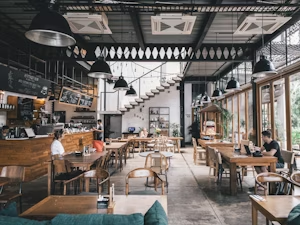
A family-run convenience store in Bristol faced a challenge: their dated closed-door fridges were limiting impulse purchases. After upgrading to our slim-profile multidecks with LED lighting and installing them along the main customer route, they saw remarkable results. 'Our chilled drinks sales jumped 40% in the first month,' the owner reported. 'The open-front design and bright lighting make products literally impossible to miss, and they pair brilliantly with our new serve-over counter for a complete refresh.'

FAQs
- What's the ideal temperature for a multideck refrigerator? Most retail multidecks operate optimally between 2-5°C—perfect for packaged foods and drinks.
- How much energy do open-front multidecks use? Modern units use 25-40% less energy than older models—especially with night blinds installed.
- Can I display fresh meat in a multideck display? Best suited for packaged meats only—choose models with lower temperature ranges specifically designed for meat.
- How often should I clean my multideck refrigerator? Daily wipe-down of visible surfaces, weekly deep clean, and monthly condenser cleaning.
- Do multidecks work in all store environments? Check the climate class—Class 3 units handle up to 25°C ambient temperatures reliably.
- What's the typical lifespan of a commercial multideck? With proper maintenance, 7-10 years of reliable service before major component replacement.
Looking for Equipment by Business Type?
Not sure where to start? Whether you're running a bustling café, opening a pizzeria, or managing a school canteen, we've made it easy to shop by business type. Explore handpicked equipment bundles and essentials tailored to your industry—saving you time and making sure you get exactly what you need.
Other Categories You Might Find Useful
We’ve selected some closely related categories that might be essential for your setup. Whether you’re expanding your kitchen or just making sure you’ve got everything covered, these links will help you explore more equipment that fits your needs.
Commercial Polar Multideck Parts & Spares for Display Refrigerators Commercial Refrigeration & Ice Machines for Restaurants & Catering Commercial Glass Door Display Fridges for Retail & Hospitality Commercial Display Drop In Units for Restaurants & Cafeterias Commercial Refrigerated Display Cabinets for Cafés & Restaurants Commercial Refrigerated Buffet Displays for Restaurants & Catering Commercial Food Display Cabinets for Restaurants & Cafés Commercial Food Display Merchandisers for Restaurants & Retail
What our Customers Say
'These multidecks transformed our store—chilled sales up 35% since installation!'
R Raj Express Mart Owner, Leicester'Brilliant visibility and the energy efficiency is better than expected.'
M Moira Farm Shop Manager, Norfolk
Why Choose EasyEquipment for Commercial Multideck Display Refrigerators?
- Trusted Supplier 50 years providing retail refrigeration—we know what works.
- Expert Delivery White glove service with positioning and setup available.
- Value Promise Competitive pricing on quality units—no compromise.
- Lifetime Support Technical advice and maintenance tips from refrigeration specialists.
Ready to Explore Commercial Multideck Display Refrigerators?
Transform your retail space with our range of energy-efficient commercial multideck refrigerators. From compact convenience store models to full supermarket installations, find the perfect chilled display solution with our expert guidance and reliable UK-wide delivery.