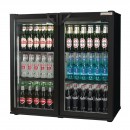
 Bottle Coolers & Beer Fridges
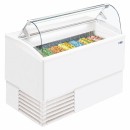 Ice Cream Displays
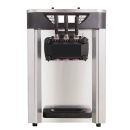 Ice Cream Machines
 Chest Freezers
 Commercial Freezers
 Commercial Fridges
 Ice Cube Makers and Flakers
 Wine Coolers
 Bain Maries
 Commercial Microwaves
 Commercial Sinks
 Commercial Ovens
 Fryers and Chip Scuttles
 Glass and Dishwashers
 Pie Warmers & Hot Food Displays
 Pizza Ovens
 Water Boilers
 Bar Supplies
 Bowls & Display Baskets
 Cash Registers
 Chafing Dish Sets & Fuel
 Menus & Boards
 Table Numbers & Stands
 Salt, Pepper & Spice Mills
 Crockery
 Cutlery
 Glassware
 Wine Glasses
 Bins
Bins Cleaning Chemicals
 GreasePak
 Janitorial Equipment
 Laundry Equipment
 Coffee Machines
 Juice Dispensers
 Juicers
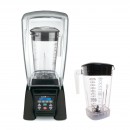 Drink Blenders
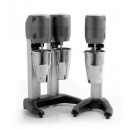 Milkshake Blenders
 Slush Machines
 Water Boilers
 Cookware
 Gastronorm Containers
 Ingredient Bins
 Pastry & Baking
 Utensils
 Pizza Pans & Equipment
 Food Storage
 Food Transport & Delivery Bags
 Folding Furniture
 Garden and Outdoor Furniture
 High Chairs
 Chairs
 Tables
Milkshake Blenders
Commercial milkshake blenders are essential workhorses for UK cafés, ice cream parlours, and dessert shops looking to whip up creamy, profitable treats. These robust machines feature powerful motors (typically 400-1000W) and specially designed spindles that create the perfect consistency every time. After 50 years equipping British businesses, we've seen how these professional blenders transform menus—pair them with commercial ice cream freezers for a complete sweet-treat station or add them alongside coffee machines to diversify your drinks menu. With variable speed controls and heavy-duty construction, they're built to handle the demands of busy service periods while delivering those thick, indulgent shakes customers queue up for!
Shop By
We Recommend
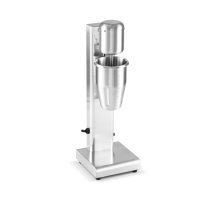
Commercial Milkshake Mixer | Bar Blender | Single Cup Capacity | Modena MS1
- Stainless steel jug for hygiene and durability
- High powered motor for efficient mixing
- User friendly controls for precise mixing
- Sturdy construction to withstand heavy daily use
- Perfect for cafes, diners, and dessert bars
-
 £804.37 £1,206.55
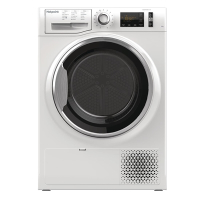
Heat Pump Tumble Dryer | ActiveCare Technology | 8kg Capacity | Hotpoint NT M11 82XB DC975
849H x 595W x 655D mm
Hotpoint
ActiveCare technology reduces fabric wear by up to 40%
Wide range of cycle programmes ensure proper care of all fabrics
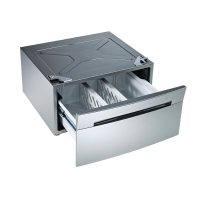
£825.54 £1,238.30Washer and Dryer Base | Laundry Equipment Stand | Height Adjustable Pedestal | MyPRO
23kg300H x 600W x 625D mm
Electrolux
Assists with drainage flow on gravity drain washer
Sheet Metal & Plastics
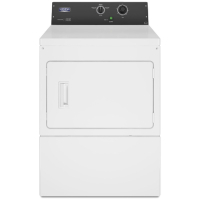
£1,129.99 £1,884.00Commercial Vented Tumble Dryer | American Style Front Loader | 10.5kg Capacity | Maytag MDE20MNTGW
52kg1092H x 686W x 743D mm
Large 10.5kg capacity with rapid drying for maximum site efficiency
Porcelain enamel top and full-wrap console - designed to withstand the harsh conditions of commercial sites, ensuring a longer lifespan and reducing the need for frequent repairs
Steel
£1,260.99 £2,102.00Commercial Condenser Tumble Dryer | 8kg Capacity | Laundry Equipment | Electrolux TE1120
44kg850H x 596W x 625D mm
Electrolux
8kg
Stainless Steel
£1,707.99 £2,846.00Commercial Vented Tumble Dryer | Professional Dryer | 12kg Capacity | Electrolux TE1220E myPRO XL
1098H x 686W x 822D mm
Electrolux
12kg
218L Drum Volume
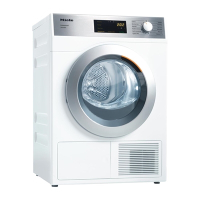
£3,076.40 £4,614.60Commercial Tumble Dryer | SmartBiz Vented Dryer | 7kg Capacity | Miele HZ827
850(H) x 596(W) x 636(D)mm
Miele
50% less energy consumption than vented dryers
Metal
Commercial Milkshake Blenders for Cafés & Ice Cream Parlours
Explore More About Milkshake Blenders
Get expert guidance, see real chef stories, and find answers to your most common questions.
Brands Trusted by Industry Professionals
Key Features and Benefits
- Variable Speed Settings Adjust from gentle to turbo—perfect for soft or chunky mix-ins.
- Multiple Spindles Prepare different flavours simultaneously—boosts service efficiency.
- Durable Stainless Steel Withstands years of daily commercial use without wearing down.
- High-Power Motors 400-1000W powerhouses create perfect consistency in seconds.
- Cooling System Prevents overheating during busy periods—maintains performance.
- Easy-Clean Design Removable parts simplify end-of-day maintenance.
- Splash Guards Contain mess and spillage—keeps counters and staff clean.
- Quick Operation Creates perfect milkshakes in 30 seconds—ideal for queues.
Too busy to read? Listen instead.
In this episode of The Deep Dive, we break down commercial milkshake blenders—from single‑spindle mixers in tight spaces to heavy‑duty multi‑spindle systems. Learn what features boost productivity, ease cleaning, and deliver perfectly frothy shakes.
16.24min | Expert-led | Real-world advice
Read Full Podcast Transcript: "Milkshake Blenders" 0:00: OK.
0:00: Welcome back to the deep dive.
0:02: Imagine this.
0:04: It's a really sunny afternoon.
0:06: Your cafe or ice cream place is absolutely packed and suddenly, like, everyone wants one of those thick, perfectly creamy milkshakes right now.
0:14: How do you actually handle So that kind of rush, you know, consistently without your kit failing or customers getting annoyed with, well, watery drinks.
0:22: That exact scenario, yeah, that takes us right to the heart of today's deep dive.
0:26: We're looking at a piece of kit that maybe on the surface seems kind of humble, the commercial milkshake blender, but looking through the sources we have here, mostly from a UK catering equipment supplier, these machines are definitely not simple.
0:40: Absolutely.
0:41: And our mission today is to really unpack why these blenders get called workhorses.
0:45: In places like cafes, ice cream parlors, dessert shops.
0:49: We want to pull out the really crucial insights from this material because, well, it presents them not just as tools, but as key drivers of quality and profitability.
0:56: Yeah, for the businesses themselves.
0:58: So let's, let's get into it.
1:00: All right, let's start unpacking this.
1:02: What exactly are we talking about when we say commercial milkshake blender, like in this context, how do the sources define them?
1:09: Well, the sources position them pretty squarely, actually, as essential equipment for businesses in the UK catering sector.
1:17: So, yeah, cafes, parlors, dessert shops.
1:20: Their main job is to efficiently churn out creamy, high quality, and importantly, profitable treats.
1:27: Profitable, right.
1:28: And the material even mentions a bit of history, saying they've been equipping British businesses for what, 50 years.
1:34: It also highlights how they help businesses add to their menus.
1:38: You know, they sit really well alongside, say, commercial ice cream freezers or coffee machines as a distinct.
1:43: Drink options.
1:44: Yeah, it's about adding a specific dedicated capability to your kitchen lineup, basically, which kind of brings us to how they actually do what they do.
1:51: What are the key features that make them different from, I don't know, a really powerful home blender?
1:55: OK, yeah, this is where the commercial aspect really kicks in.
1:59: The sources stressed the robust construction, the powerful motors.
2:03: We're often talking like 400 to 1000 watts.
2:06: Wow, that's a lot of power just for milkshakes.
2:09: Why, why is that power level so important specifically for this?
2:14: It really comes down to consistency and volume.
2:16: You're pushing through often quite solid ice cream, cold milk, syrups, maybe doing it back to back for hours as a domestic motor, it likely burn out, or at least struggle, you'd get inconsistent results.
2:28: That high wattage just ensures it can handle the demand without, you know, slowing down.
2:33: Got it.
2:34: And they use those special parts, don't they, the spindles?
2:37: Yes, the spindles are mixing heads.
2:39: They're absolutely crucial.
2:40: Unlike a standard blender blade that's designed to, well, liquefy things, these spindles are specifically designed for incredibly high speed rotation.
2:48: We're talking speeds up to like 16,000 RPM.
2:52: 16,000 RPM.
2:53: That sounds insanely fast.
2:55: What does that speed actually do to the fixture?
2:57: , that's speed, that's basically the magic.
2:58: It whips a huge amount of air into the ice cream, the milk, the flavorings.
3:02: It's this aerating action that creates that signature smooth, thick texture you expect from a proper commercial milkshake.
3:08: It's not just blended, it's like emulsified and aerated.
3:11: , OK, so the texture is the key thing.
3:14: And that comes directly from the spindle design and that extreme speed.
3:18: Precisely.
3:19: That's the core difference.
3:20: And, you know, many commercial models actually come with multiple spindles too, sometimes even 3 heads, which means you can make multiple drinks at the same time, different flavors even.
3:30: OK, now that's a clear efficiency boost for a busy spot.
3:33: What else defines these machines?
3:35: Well, the containers are usually stainless steel that helps keep the mix cold, but fundamentally it's all about that specific interaction.
3:42: Powerful motor, high-speed sindles, the mixture itself creates that unique air-rated consistency, and they do it fast.
3:51: The material mentions something like 30 seconds for a perfect result.
3:55: 30 seconds.
3:55: That's really quick when you've got a queue forming.
3:57: Exactly.
3:58: And we found this great insight, from Henry Dalton.
4:00: He's cited as a beverage equipment expert in the source material.
4:03: He says, when it comes to milkshake blenders, power and consistency are key.
4:08: Nobody wants a lumpy shake.
4:10: Go for a commercial grade model that can handle back to back orders without breaking a sweat or a blade.
4:16: Yeah, that quote really hammers home the point.
4:18: These are heavy duty tools, not just kitchen gadgets.
4:22: Which leads us nicely into why a business owner would actually invest in a commercial model, rather than just say buying a few strong home blenders.
4:31: What are the specific features and benefits that make it worth the cost?
4:34: Well, the sources list quite a few features that translate directly into business advantages, things like variable speed settings.
4:41: Oh, right, why variable speeds?
4:43: Gives you control.
4:44: You can go from a gentle stir, maybe if you're adding chunky bits like cookies, right up to a turbo whip for maximum thickness.
4:51: Then multiple spindles, like we mentioned, huge efficiency booster.
4:55: Staff can make several drinks at once during those peak rushes.
4:57: Yeah, that seems absolutely vital for managing those busy periods.
5:01: It really is.
5:02: Then there's the build quality itself, durable stainless steel, designed to just withstand years of daily, often pretty demanding use.
5:11: And the high-power motors ensure that consistent, perfect result.
5:15: Every single time, shake after shake, the material even mentions a cooling system, prevents overheating, which, trust me, is vital if you're running these things nonstop.
5:24: Yeah, you definitely don't want your main profit driver shutting down right in the middle of service.
5:29: Absolutely not.
5:30: they also highlight easy clean designs, removable parts, crucial for hygiene, obviously, but also for speed between orders, and splash guards are standard.
5:39: They contain the mess that Let's be honest, comes with high-speed blending.
5:44: OK, so if we sum up those features, what are the core benefits for the business itself?
5:49: The material consistently points to three main things.
5:52: One, superior texture, that thick, creamy shake that customers actually seek out.
5:58: 2, speed of service, you keep those cues moving quickly.
6:00: And 3, it's presented as a significant profit generator.
6:04: You're basically taking relatively low-cost ingredients, milk, ice cream, syrup, and turning them into a premium high margin item really efficiently.
6:11: You know, there were some little facts in the sources that really stood out.
6:14: Almost like, did you know things, like, apparently these commercial blenders work up to 5 times faster than typical domestic ones.
6:22: 5 times faster.
6:24: Yeah, just imagine that difference during a busy lunchtime, and they're built to last.
6:29: The expected lifespan is quoted as 7 to 10 years, assuming proper maintenance.
6:34: That's way beyond any consumer appliance.
6:36: And they're not just for milkshakes either, are they?
6:38: The sources mentioned they're quite versatile.
6:40: Yeah, absolutely.
6:41: They can easily handle things like smoothies, rap is, even create dessert toppings or certain types of batters.
6:47: Makes them a pretty flexible tool in the kitchen.
6:50: And get this, the material suggests they can use up to 30% less energy than trying to get the same output using multiple domestic blenders side by side.
6:59: That's kind of hidden saving, isn't it?
7:00: It is.
7:01: That's a significant operational efficiency that hits the bottom line.
7:04: And speaking of the difference, there's another quote here from Emma, cited as an equipment specialist.
7:09: She puts it very plainly.
7:10: The difference between domestic and commercial models is night and day, explains Emma.
7:15: Professional blenders create that thick, frothy texture that customers specifically come back for.
7:20: They're worth every penny, worth every penny, because they deliver that specific result customers want driving repeat business.
7:28: OK.
7:29: But it is an investment, right?
7:31: So, what should someone be thinking about when they're actually looking to buy one of these workhorses for their business?
7:37: Right.
7:37: Matching the machine to your actual operations needs is really key.
7:42: Capacity and size definitely matter.
7:44: A single spindle might be perfect for a smaller cafe, you know, where counter space is tight and maybe milkshake volume isn't massive, but for a busy ice cream parlor, Double or even triple spindles are almost essential just to cope with those peak periods.
7:59: And the size of the cup it takes.
8:01: Does that matter?
8:01: It does, yeah.
8:02: The cup capacity is usually somewhere between 650 mL and maybe 1 L.
8:07: So you want to choose a model that matches the serving sizes you plan to offer.
8:10: PowerSource seems pretty straightforward.
8:13: The sources say most just run on standard 13 amp plugs, so installation is easy.
8:17: Right, pretty much plug and play for most models, which is great, but wattage is still a factor to consider within that.
8:22: The material points out that the higher wattage models, say, 800 watts plus, generally deliver those really extra thick shakes even faster.
8:30: OK.
8:31: And something you might not think about until you hear it running all day, noise level.
8:36: The sources mention that as a consideration, especially for open plan cafes.
8:40: Definitely something to look into, yeah, based on your specific space, and the sources list who specifically benefits most, cafes, hotels, ice cream parlors, dessert shops.
8:50: Basically, any business where high volume, consistent, thick blended drinks are a core part of the menu.
8:57: And the expert insights kind of summarize the main trade-off, don't they?
9:00: The pros, quick operation, consistent results, durable construction, the con premium models require a decent investment.
9:07: Exactly.
9:08: But as the material implies, and as that case study will get to shows, You weigh that investment directly against the potential for, well, dramatically increased sales and much better operational efficiency.
9:19: OK, so, let's say you've made the investment, the machines arrived.
9:23: What are some top practical tips for actually using it day to day, to get that consistent, perfect result, and importantly, what about safety?
9:33: Yeah, the sources have some great practical tips for getting the best shake every single time.
9:37: First, start with good quality ice cream, and make sure it's slightly softened, not rock hard that strains the motor, but not too soft either, or you'll get a runny shake.
9:47: Measuring ingredients consistently is also key.
9:50: Using portion control cups helps ensure uniformity across all your orders.
9:54: Consistency is just so paramount in a business setting, isn't it?
9:57: Customers expect the same quality drink every time they order it.
10:00: It builds trust, absolutely.
10:02: And cleaning the spindles and cups immediately after use is really crucial, stops that sticky dairy buildup, which is, you know, both a hygiene issue and it can actually affect the machine's performance over time.
10:13: And for those really busy periods, the sources had a workflow suggestion.
10:17: Yeah, a smart tip they mentioned is to Maybe pre-scoop your ice cream into the stainless steel containers ahead of time, and maybe even keep your serving cups chilled.
10:25: It just speeds up the whole assembly process when the orders are flooding in.
10:29: Good thinking, that helps manage that peak flow.
10:32: Now, safety, running these powerful machines definitely needs care.
10:36: Oh, absolutely.
10:38: They outline several key safety guidelines, like, check the spindles daily for any signs of damage.
10:44: Always make sure the containers are secured properly before you hit the start button.
10:48: And avoid overloading it.
10:51: Stick to the capacity guidelines that protects the motor and helps prevent messy spills.
10:55: The splash guards are there for a reason, right?
10:57: Exactly, always use them.
10:58: And maybe switch the machine off between uses during quieter periods.
11:02: It's just good practice, helps prolong the machine's life.
11:05: Also, regularly check the power cables for any wear or damage.
11:09: Standard stuff but important.
11:11: Yeah, solid practical points for operation and maintenance.
11:15: Let's connect this back now to the real world impact on a business.
11:18: How does simply upgrading this one piece of equipment actually change things on the ground?
11:23: Well, the sources include this fantastic case study.
11:26: It's about a place called Sweet Delights, a seaside cafe down in Brighton.
11:30: Apparently they were facing exactly that sunny afternoon problem we talked about at the start.
11:35: They were struggling with a domestic blender.
11:37: Oh dear.
11:38: Yeah, leading to inconsistent shakes, long waits for customers during busy times.
11:43: You know the drill.
11:44: I can totally picture that scene.
11:45: Yeah, frustrated customers, stressed out staff, right.
11:49: So they decided to upgrade.
11:50: They invested in a triple spindle commercial blender, specifically to keep up with demand.
11:55: They cited it right next to their ice cream freezers for workflow, and the results.
12:00: According to the owner, who's quoted in the source, they were transformative.
12:04: They said, it's been brilliant for business, we've cut wait times by 70%, and our milkshake sales have doubled.
12:09: They're now our highest margin menu item.
12:12: Wow, cutting wait times by 70%.
12:15: And doubling sales on that specific item, that's a really dramatic demonstration of that workhorse principle in action.
12:22: It really highlights how getting a specialized, properly sized tool can directly improve efficiency, customer satisfaction, and fundamentally change the profitability of a key menu item.
12:33: And you see that echoed in some of the other customer quotes too, like, these blenders have transformed our dessert menu quick, consistent, and seriously profitable.
12:41: And another one.
12:42: Handles our weekend rushes without breaking a sweat, brilliant bit of kit.
12:47: Brilliant bit of kit.
12:48: Love it.
12:49: That case study is so powerful because it draws that direct line from the equipment's capabilities, the speed, the consistency, the durability straight to tangible business results.
12:59: Exactly.
12:59: It's having the right tool that enables the business to actually meet the demand.
13:03: And really capitalize on a profitable product.
13:06: OK, before we wrap things up, let's quickly touch on some common questions, things business owners might have when they're considering these machines.
13:13: We can pull the answers straight from the source material.
13:15: First off, how long can you realistically expect one of these things to last?
13:19: OK.
13:20: The sources generally indicate you should get about 7 to 10 years of reliable daily service, provided you do the proper maintenance.
13:26: Right.
13:27: What about blending tougher stuff?
13:29: Like, can they handle ice or frozen fruit for smoothies?
13:34: Most commercial models are designed to handle ice just fine, yeah.
13:38: For harder frozen fruit or really dense ingredients, you'd probably want to look at the higher wattage models.
13:43: They just have more grunt to cope better.
13:45: Makes sense.
13:46: How many milkshakes can one of these machines actually churn out in an hour, say, during a really busy period?
13:52: Well, a single spindle model is estimated to handle 50 plus an hour, but a triple spindle, that can exceed 150.
13:59: So it really shows the scalability depending on the model.
14:02: OK.
14:03: And cleaning, are they a real pain?
14:05: According to the sources, no, not really.
14:08: They're generally designed with removable components specifically to make cleaning quick and thorough.
14:13: Which is obviously essential in any food service environment.
14:17: Good to know.
14:18: What's the key difference again from a standard bar blender?
14:20: We touched on this, but just to be crystal clear.
14:23: Yeah, the critical difference is the design purpose.
14:26: Bar blenders are primarily for liquefying.
14:29: Commercial milkshake blenders, with those specific spindles in that high speed, are designed specifically for dairy bases to aerate.
14:37: That's what creates that thick signature texture that really defines a quality milkshake.
14:41: It's a different action.
14:42: Got it.
14:43: And final quick one, do they need any special electrical setup?
14:46: Generally, no, which is a big plus.
14:49: Most run on standard 13 amp UK plugs, so they're typically just plug and go installations.
14:54: No special wiring needed usually.
14:56: So yeah, easy installation designed for purpose, built tough and fast.
15:00: So pulling all this together then, the source material we've looked at consistently presents these commercial milkshake blenders, not just as, you know, fancy blenders, but as genuinely indispensable tools, especially for businesses aiming for consistency, speed, customer satisfaction, and importantly significant profitability from those drinks.
15:19: Absolutely.
15:20: And understanding the specifics we've talked through today, things like the importance of power, those specialized spindles for texture, matching the capacity to your actual needs, and committing to proper maintenance that's all key.
15:32: It's key to selecting the right workhorse for your specific business, and then actually getting the maximum return on that investment.
15:39: It really does highlight how one specific well chosen piece of equipment can have such an outsized impact on a business's whole operation and its bottom line.
15:50: Which kind of leaves us with this final thought for you, the listener, to maybe consider.
15:54: We've seen how a specialized workhorse like this commercial milkshake blender can totally transform one part of a business, impacting everything from the menu structure to customer flow and profit margins.
16:04: So the question is, how might identifying other, maybe similar specialized pieces of equipment, perhaps something that seems noose or even simple in a completely different industry.
16:13: How might that transform operations or create new opportunities there?
16:16: That's a great question to mull over.
16:18: Thanks for joining us for this deep dive into the world of commercial milkshake blenders.
16:23: Always a pleasure.
Essential Buying Considerations
Capacity and Size
- Single spindle for smaller cafés—saves valuable counter space.
- Double or triple spindles for busy parlours—perfect for peak periods.
- Cup capacity typically ranges from 650ml to 1L—match to your serving size.
Power Source and Usage
- Most run on standard 13A plugs—easy installation alongside ice cream freezers.
- Higher wattage (800W+) models deliver thicker shakes faster.
- Consider the noise level for open-plan cafés—some models offer quieter operation.
How Commercial Milkshake Blenders Work
Commercial milkshake blenders work by combining high-speed rotation with specially designed mixing heads to create that perfect creamy consistency. The powerful motor drives a spindle—often made from stainless steel—that whips air into a mixture of ice cream, milk, and flavourings at variable speeds up to 16,000 RPM. Many professional models feature multiple spindle heads allowing simultaneous preparation of different flavours. The containers (typically stainless steel) are designed to maintain cold temperatures during mixing, while the aerating action creates that signature smooth texture that's thicker than a typical blender could achieve. The beauty is in the simplicity—just a 30-second blend produces perfect results every time!

Trusted Insights from Henry Dalton

Beverage Equipment Expert
11 years experience
"When it comes to milkshake blenders, power and consistency are key—nobody wants a lumpy shake! Go for a commercial-grade model that can handle back-to-back orders without breaking a sweat (or a blade)."Safety Guidelines
- Check Spindles Inspect for damage daily—ensures safe, hygienic operation.
- Secure Containers Position properly before starting—prevents splashes and spillage.
- Avoid Overloading Follow capacity guidelines—protects the motor from strain.
- Use Guards Always operate with splash guards in place—keeps staff safe.
- Switch Off Turn off between uses during quiet periods—extends machine life.
- Check Cables Inspect wiring regularly—prevents electrical hazards.
Top Tips for Using Commercial Milkshake Blenders
For milkshake perfection, start with quality ice cream slightly softened from the freezer—too hard and it strains the motor, too soft and you'll end up with a runny shake. Always measure your ingredients consistently using portion control cups for that perfect consistency every time. Clean spindles and cups immediately after use to prevent dairy buildup. For busy periods, pre-scoop ice cream into containers for quick access, and keep your serving cups chilled for longer-lasting cold drinks.
Benefits of Using Commercial Milkshake Blenders
- Superior Texture Creates thick, creamy shakes customers will queue for.
- Speed of Service Blends perfect milkshakes in 30 seconds—keeps lines moving.
- Profit Generator Turn basic ingredients into premium-priced menu stars.
Did You Know?
- Speed Commercial blenders work up to 5x faster than domestic versions.
- Durability Professional models last 7-10 years with proper maintenance.
- Versatility Beyond milkshakes—make smoothies, frappes, and dessert toppings too.
- Savings Commercial models use 30% less energy than multiple domestic blenders.

Expert Insights on Commercial Milkshake Blenders
We've been supplying milkshake blenders to British businesses for decades, and they're real profit-makers. 'The difference between domestic and commercial models is night and day,' explains Emma, our equipment specialist. 'Professional blenders create that thick, frothy texture that customers specifically come back for—they're worth every penny.'
- Pros: Quick operation, consistent results, durable construction.
- Cons: Premium models require investment—weigh against increased sales potential.
Who Needs Commercial Milkshake Blenders?
- Cafés Add profitable shake options to coffee menus—boosts afternoon sales.
- Hotels Perfect for room service, poolside bars, and dessert menus.
- Ice Cream Parlours Essential equipment for signature milkshakes and sundae toppings.
- Dessert Shops Creates consistent, high-quality shakes customers return for.

Real-World Success with Commercial Milkshake Blenders
Consider Sweet Delights, a seaside café in Brighton that was struggling with summer crowds. Their domestic blender couldn't keep up, creating inconsistent shakes and frustrated customers. After upgrading to a triple-spindle commercial blender alongside their ice cream freezers, everything changed. 'It's been brilliant for business,' the owner shares. 'We've cut wait times by 70% and our milkshake sales have doubled—they're now our highest-margin menu item!'
FAQs
- How long does a commercial milkshake blender last? With proper maintenance, expect 7-10 years of reliable daily service.
- Can I blend ice and frozen fruit for smoothies? Most commercial models handle ice beautifully—check power ratings for tougher ingredients.
- How many milkshakes per hour can these make? Single spindle models produce 50+ per hour; triple spindles can exceed 150.
- Are they difficult to clean? Not at all—most have removable components for quick, thorough cleaning.
- What's the difference from standard bar blenders? Designed specifically for dairy-based drinks with aerating spindles for thick texture.
- Do they require special installation? Most run on standard 13A plugs—simply place, plug in, and start serving.
Looking for Equipment by Business Type?
Not sure where to start? Whether you're running a bustling café, opening a pizzeria, or managing a school canteen, we've made it easy to shop by business type. Explore handpicked equipment bundles and essentials tailored to your industry—saving you time and making sure you get exactly what you need.
Other Categories You Might Find Useful
We’ve selected some closely related categories that might be essential for your setup. Whether you’re expanding your kitchen or just making sure you’ve got everything covered, these links will help you explore more equipment that fits your needs.
Commercial Milk Dispensers for Cafés & Restaurants Commercial Kitchen Cleaning Products Commercial Bar Mixes, Purees & Syrups for Professional Venues Commercial Ice Cream Display Freezers for Gelaterias & Restaurants Commercial Ice Cream Machines for Restaurants & Cafés Commercial Ice Crushers for Bars & Cocktail Venues Commercial Milkshake Mixer Replacement Parts & Spares for Commercial Kitchens Commercial Drinking Glasses for Restaurants & BarsWhat our Customers Say
'These blenders have transformed our dessert menu—quick, consistent, and seriously profitable!'
L Laura Beachside Café, Cornwall'Handles our weekend rushes without breaking a sweat—brilliant bit of kit!'
M Mike Vintage Ice Cream Parlour, Leeds
Why Choose EasyEquipment for Commercial Milkshake Blenders?
- Trusted Supplier 50 years' experience—we know which models deliver results.
- Fast Delivery Next-day options throughout the UK—perfect for urgent needs.
- Best Price Promise Find it cheaper? We'll match it—guaranteed fair value.
- Expert Support Talk to specialists who understand café and parlour needs.
Ready to Explore Commercial Milkshake Blenders?
Browse our range of commercial milkshake blenders with our best price guarantee and expert advice. Find the perfect model to boost your menu offerings and delight your customers with creamy, professional-quality milkshakes!