 Bottle Coolers & Beer Fridges
 Ice Cream Displays
 Ice Cream Machines
 Chest Freezers
 Commercial Freezers
 Commercial Fridges
 Ice Cube Makers and Flakers
 Wine Coolers
 Bain Maries
 Commercial Microwaves
 Commercial Sinks
 Commercial Ovens
 Fryers and Chip Scuttles
 Glass and Dishwashers
 Pie Warmers & Hot Food Displays
 Pizza Ovens
 Water Boilers
 Bar Supplies
 Bowls & Display Baskets
 Cash Registers
 Chafing Dish Sets & Fuel
 Menus & Boards
 Table Numbers & Stands
 Salt, Pepper & Spice Mills
 Crockery
 Cutlery
 Glassware
 Wine Glasses
 Bins
Bins Cleaning Chemicals
 GreasePak
 Janitorial Equipment
 Laundry Equipment
 Coffee Machines
 Juice Dispensers
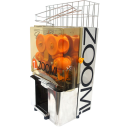 Juicers
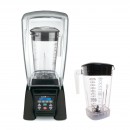 Drink Blenders
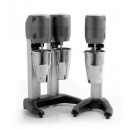 Milkshake Blenders
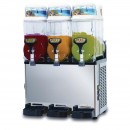 Slush Machines
 Water Boilers
 Cookware
 Gastronorm Containers
 Ingredient Bins
 Pastry & Baking
 Utensils
 Pizza Pans & Equipment
 Food Storage
 Food Transport & Delivery Bags
 Folding Furniture
 Garden and Outdoor Furniture
 High Chairs
 Chairs
 Tables
Commercial Coffee Machines
Commercial coffee machines are essential investments for UK cafés, restaurants, and offices looking to deliver consistently exceptional coffee. From powerful espresso machines to automated bean-to-cup solutions, these professional brewing systems offer café-quality results with robust reliability. With brewing capacities ranging from 50-250 cups daily and programmable settings for perfect extraction, they're built specifically for commercial environments where consistency is non-negotiable. After 50 years of supplying the hospitality industry, we've seen firsthand how the right coffee machine transforms businesses—complementing food menus, water boilers, and cup warmers to create complete beverage stations that keep customers returning and revenue flowing.
Shop By
-
£9.84 £14.76
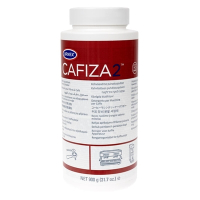
Espresso Machine Cleaner | Coffee Machine Cleaner | Professional Cleaning Solution | Cafiza ESC
0.970.97
Vogue
900g
Plastic
 £11.27 £17.34
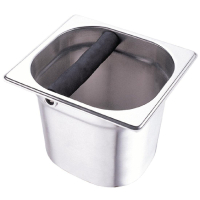
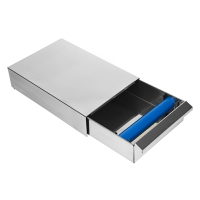
Coffee Knocking Pot | Barista Knock Box | 1/6 GN Compatible | Modena M212
0.4 KG100H x 176W x 162D mm
Modena
Fixed heavy duty PVC knockout bar
Stainless Steel & Plastic
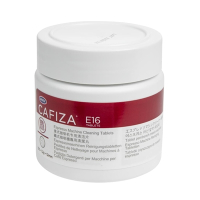
£12.54 £18.82Espresso Machine Cleaning Tablets | Coffee Machine Cleaner | 100 Tablets | Urnex Cafiza CW262
0.1571H x 69W x 570D mm
Concentrated formula eliminates residue in group heads, valves and lines
5Ltr
Can be used to perform back flush cleaning
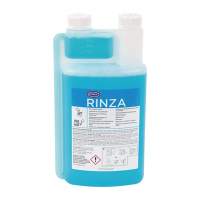
£16.86 £25.30Milk System Cleaner | Coffee Machine Cleaner | Professional Dairy Residue Remover
1.221.22
Vogue
1.1 Ltr
Dilution Ratio: 1:10 for light soiling
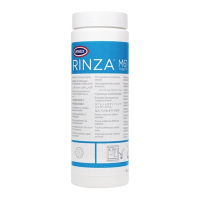
£17.23 £25.85Milk Frother Cleaning Tablets | Coffee Machine Cleaner | Hygienic Maintenance | Rinza M61 CW263
0.54203H x 71W x 512D mm
Easy to use - dissolves in water
20Ltr
Contains cationic surfactant for additional cleaning confidence
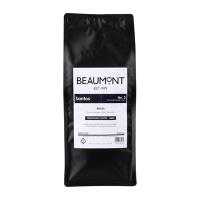
£21.26 £28.34Commercial Coffee Grinder | Omni Grind | 1kg Capacity | Beaumont No.2 Santos HS530
1.011.01
Beaumont
Coffee Details: 100% Arabica, Natural Process, 800-1200m
Nutty, sweet and full bodied, for those who like their Arabica with a kick
£126.11 £189.17Coffee Knock Box | Espresso Knock Box | Stainless Steel | M210
3.34kg90H x 255W x 410D mm
Vogue
Easily portable for location at point of use
201 Stainless Steel
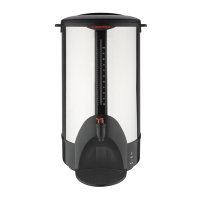
£200.77 £301.15Commercial Coffee Percolator | Coffee Maker | 75 Cup Capacity | Caterlite F132
7.1560H x 330W x 350D mm
13 amp plug fitted
15Ltr
Liquid level indicator
🎯 Need Help Choosing the Right Commercial Coffee Machines?
Discover how to choose the right model with expert advice on buying considerations, kitchen-tested usage tips, frequently asked questions and real-world chef insights below.
🎧 On the go? Listen to our expert podcast instead
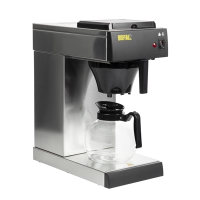
£231.18 £346.78Manual Fill Filter Coffee Machine | Commercial Coffee Brewer | 1.8L Capacity | Buffalo CT815
7.28460H x 215W x 400D mm
Electric
2Ltr
Stainless Steel
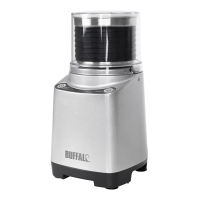
£267.68 £401.52Commercial Spice Grinder | Coffee Grinder | Stainless Steel | Buffalo FU476
5.6317H x 0W x 183D mm
Buffalo
Durable stainless steel blade
Stainless Steel
£287.99 £616.80Commercial Coffee Brewer | Manual Fill Filter Coffee Machine | 1.8 Litre Capacity | Marco BRU F45M
8 KG507H x 250W x 600D mm
13 amp plug fitted
1.8 Litre
Stainless Steel and Plastic
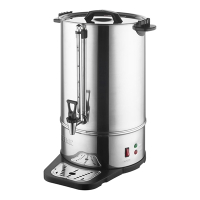
£316.35 £474.53Commercial Coffee Percolator | 15L Coffee Urn | Hot Beverage Dispenser | Buffalo CN295
6.21510H x 362W x 485D mm
Buffalo
15Ltr
Stainless Steel
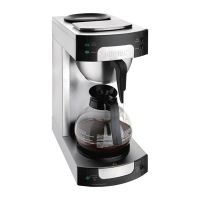
£346.78 £520.18Filter Coffee Maker | Commercial Coffee Machine | 15L Capacity | Buffalo CW305
7.5435H x 205W x 790D mm
Buffalo
1.7Ltr
Stainless Steel
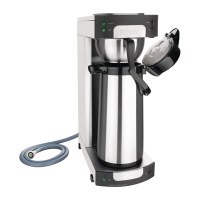
£371.12 £556.68Commercial Airpot Filter Coffee Maker | Filter Coffee Machine | 2.2L Capacity | Buffalo CW306
9.6565H x 205W x 205D mm
Buffalo
2.3Ltr
Stainless Steel
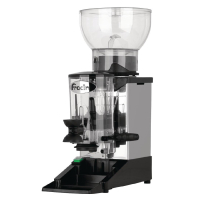
£379.99 £948.75Fracino Manual Coffee Grinder Model T GJ476
8kg560H x 180W x 310D mm
13 amp plug fitted
600g
Stainless Steel, Plastic
£508.02 £762.02Commercial Coffee Machine | Espresso Machine | Automatic Brewing System | Novo F454
7430H x 205W x 340D mm
13 amp plug fitted
2 x 1.7Ltr glass decanters (24 cups)
Stainless Steel
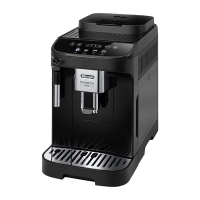
£529.18 £793.78Commercial Bean to Cup Coffee Machine | Espresso Maker | Touch Control | DeLonghi Magnifica Evo CH658
11.75440(H) x 240(W) x 360(D)mm
DeLonghi
1.8 Litres
Plastic
£620.56 £930.84Commercial Bean to Cup Coffee Machine | Automatic Coffee Maker | Touchscreen Controls | Rowlett GM947
370(H) x 246(W) x 475(D)mm
Rowlett
Low level alarms for water and coffee beans
Stainless Steel & ABS
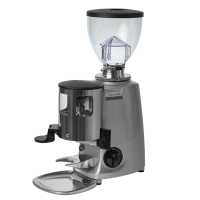
£656.19 £984.29Commercial Coffee Grinder | Mini Timer Grinder | Espresso Bean Grinding | Mazzer DL253
11.22460H x 158W x 355D mm
13 amp plug fitted
0.6kg
Metal & Plastic
£691.47 £1,037.21Commercial Coffee Machine | Bulk Brewer | Fresh Brew System | Bravilor Mondo J510
7.99618H x 215W x 355D mm
13 amp plug fitted
2 x 1.7 Ltr glass decanters
Self-regulating hot plates to preserve the optimum quality of the coffee
£698.99 £1,747.50Fracino Luxo Coffee Grinder 55db Silver GE958
15.5kg625H x 285W x 405D mm
13 amp plug fitted
1kg hopper capacity
Stainless Steel
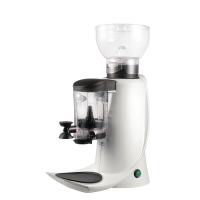
£698.99 £1,747.50Fracino Luxo Coffee Grinder 55db White GE957
15.5kg625H x 285W x 405D mm
13 amp plug fitted
1kg hopper capacity
White
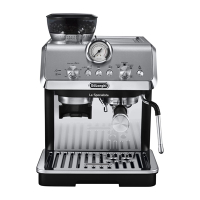
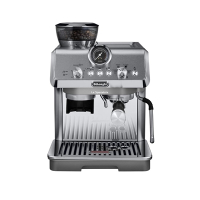
£762.03 £1,143.05Commercial Bean to Cup Espresso Coffee Machine | Manual Coffee Maker | Compact Design | De'Longhi La Specialista Arte EC9155.MB HW191
400(H) x 275(W)mm
DeLonghi
Barista kit included in pack for a mess free dosing and tamping
Metal
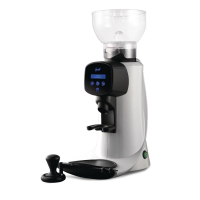
£766.99 £1,916.25Fracino Luxomatic On Demand Coffee Grinder 55db Silver GE954
13kg625H x 285W x 405D mm
13 amp plug fitted
Touch screen for easy programming, shot timer on display with coffee counter
Automatic on demand
£766.99 £1,916.25Fracino Luxomatic On Demand Coffee Grinder 55db White GE953
13kg625H x 285W x 405D mm
13 amp plug fitted
1kg hopper capacity
White
£776.14 £1,164.22Commercial Hot Water Container | 10 Litre Hot Beverage Dispenser | Stainless Steel | Bravilor VHG10 DC695
5kg464H x 286W x 286D mm
Bravilor Bonamat
10Ltr
Non-drip tap
£790.26 £1,185.38Commercial Bean to Cup Coffee Machine | Espresso Maker | Integrated Grinder | De'Longhi EC9255.M HW190
400H x 275W mm
DeLonghi
Active Temperature Control: Three temperature profiles at the touch of a button. Chose between 92C, 94C or 96C infusion temperature with thermoblock heating technology
Metal
£790.26 £1,185.38Commercial Coffee Grinder | Super Jolly Timer | 64mm Burrs | Mazzer DL254
15.74600H x 195W x 263D mm
13 amp plug fitted
1.2kg
Metal & Plastic
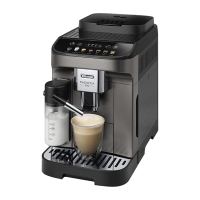
£832.59 £1,248.89Commercial Bean to Cup Coffee Machine | Fully Automatic Espresso Maker | Titanium & Black | De'Longhi Magnifica Evo ECAM29 HW185
9.6360H x 240W mm
DeLonghi
LatteCrema HotTechnology- long-lasting creamy, rich milk foam at the right hot temperature for delicious in-cup results, with one-touch automatic cleaning for after each use
Plastic
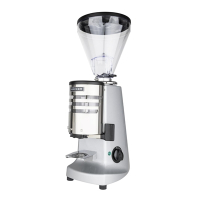
£901.38 £1,352.06Commercial Silent Espresso Coffee Grinder | Coffee Bean Dispenser | 6kg/hr Capacity | Santos 40 CK819
14kg580H x 190W x 390D mm
Santos
Powerful, commercial motor
Dispenser cover
£1,008.99 £1,513.49Commercial Bean to Cup Coffee Machine | Espresso Maker | Touch Control | De'Longhi ECAM320.60.B HW186
1.01360(H) x 240(W)mm
DeLonghi
Plastic
£1,065.44 £1,598.16Commercial Coffee Container | Beverage Container | 20 Litre Capacity | Bravilor VHG20 DC696
9kg510H x 374W x 374D mm
Bravilor Bonamat
20Ltr
Non-drip tap
£1,070.99 £2,677.50Fracino Piccino Coffee Machine GJ474
15 KG370H x 250W x 315D mm
13 amp plug fitted
Up to 70 cups/day
Stainless Steel
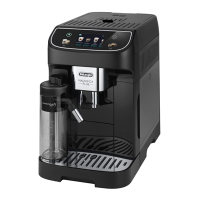
£1,079.55 £1,619.33Commercial Bean to Cup Coffee Machine | Automatic Espresso Maker | Black | De'Longhi Rivelia HW187
385(H) x 245(W)mm
DeLonghi
Plastic
£1,079.55 £1,619.33Commercial Bean to Cup Coffee Machine | Automatic Espresso Maker | Grey | De'Longhi Rivelia HW188
385H x 245W mm
DeLonghi
Plastic
£1,117.99 £2,793.75Fracino High Volume Deli Grinder GE949
25kg605H x 210W x 250D mm
13 amp plug fitted
up to 15 kilos per hour
Stainless Steel
£1,186.99 £1,540.00Commercial Buffet Juicer | Citrus Juicer | Professional Juice Extractor | Robot Coupe J80
595H x 262W x 566D mm
Robot Coupe
6.5 Ltr
Stainless Steel & Plastic
£1,201.84 £1,802.76Barista Espresso Coffee Grinder | Silent Grinder | White 55W | Santos CP768
15kg577H x 198W x 397D mm
Santos
2.2kg
Aluminium & ABS
£1,250.99 £3,127.50Fracino Cherub Coffee Machine CHE1 GJ472
18kg380H x 360W x 460D mm
13 amp plug fitted
Boiler / tank capacity: 3 Ltr
Stainless Steel, Copper, Brass and Plastic
£1,289.47 £1,934.21Commercial Coffee Grinder | Professional Espresso Bean Grinder | 250g Capacity | Santos 04 CN012
18kg700H x 220W x 320D mm
Santos
1kg
Stainless Steel & Aluminium
£1,309.99 £3,273.75Fracino Classico Espresso Coffee Machine GE940
18kg380H x 360W x 460D mm
13 amp plug fitted
3 Ltr
Stainless Steel
£1,414.67 £2,122.01Commercial Coffee Grinder | Barista Espresso Grinder | On-Demand Dosing | Santos 01 CP769
14kg550H x 250W x 320D mm
Santos
1kg
Aluminium & ABS
£1,414.67 £2,122.01Commercial Coffee Grinder | On-Demand Espresso Grinder | Black | Santos 59A GP746
540H x 198W mm
Santos
Pulse function for precision dosing
Aluminium
£1,414.67 £2,122.01Commercial Coffee Grinder | On-Demand Grinder with Tamper | Black | Santos 59TA GP747
540H x 198W mm
Santos
Pulse function for precision dosing
Aluminium
£1,414.67 £2,122.01Commercial Coffee Grinder | On-Demand Grinder with Tamper | White Finish | Santos 59TWA GP749
540H x 198W mm
Santos
Pulse function for precision dosing
Aluminium
£1,414.67 £2,122.01Commercial Coffee Grinder | On-Demand Espresso Grinder | White Finish | Santos 59WA GP748
540H x 198W mm
Santos
Pulse function for precision dosing
Aluminium
£1,439.41 £2,159.11Commercial Bean to Cup Coffee Machine | Automatic Espresso Maker | Hot & Cold Milk Frother | De'Longhi ECAM450 HW189
385(H) x 260(W)mm
DeLonghi
LatteCrema Hot and LatteCrema Cool Carafes
Plastic
£1,477.26 £2,215.90Commercial Coffee Grinder | Bean Grinder | Espresso Grinder | Santos 43NA CN013
20kg690H x 190W x 335D mm
Santos
1.7kg
Stainless Steel
£1,615.99 £4,038.75Fracino Little Gem Coffee Machine Semi Automatic LG1 GJ473
28kg535H x 380W x 500D mm
2 x 13 amp plug fitted
4 Ltr
Stainless Steel, Copper, Brass and Plastic
£1,649.99 £2,970.00Commercial Espresso Coffee Machine | 2 Group Automatic Barista Machine | Temperature Control | Modena CM2
55 KG530H x 475W x 563D mm
13 amp plug fitted
6.5 Litre boiler
Black
£1,862.77 £2,794.15Commercial Bean to Cup Coffee Machine | Automatic Coffee Maker | Touchscreen | DeLonghi PrimaDonna Soul CH713
390H x 262W mm
DeLonghi
4.3 touch-screen menu that comes pre-loaded with 21 of the most popular coffee variants
Metal
£1,933.99 £4,836.00Fracino Bambino Espresso Coffee Machine Automatic 1 Group BAM1E GE941
35kg480H x 380W x 500D mm
Fracino
4Ltr
Thermosyphonic circulation ensures the group is kept constantly hot for perfect coffee making
£2,314.35 £3,471.53Commercial Coffee Machine | Espresso Machine | 4L Capacity | Grigia Club DL256
40kg450H x 385W x 540D mm
13 amp plug fitted
4Ltr
Metal & Plastic
£2,384.99 £5,962.50Fracino Bambino 2 Group Automatic Espresso Coffee Machine BAM2E GJ471
55kg485H x 580W x 500D mm
Fracino
10 Ltr Boiler Capacity
Stainless Steel
£2,515.99 £6,288.75Fracino Contempo automatic 1 Group Dual Fuel Espresso Coffee Machine CON1E/LPG GE947
35kg575H x 380W x 500D mm
Dual Fuel - Elec / Gas
7 Ltr
Stainless Steel
£2,737.71 £4,106.57Bean to Cup Coffee Machine | Manual Fill Coffee Maker | Automatic Barista System | Jura WE6 15114
10kg295H x 419W x 444D mm
Jura
The variable brewing unit has a capacity of 5-16g and ensures the ideal brewing conditions at all times
Non-Metallic Composite
£2,983.99 £7,458.75Fracino Retro Espresso Coffee Machine 2 Group Electric FCL2 GE946
55kg830H x 580W x 500D mm
Fracino
14Ltr
Stainless Steel
£2,983.99 £7,458.75Fracino Contempo Coffee Machine Automatic CON2E GJ470
55kg480H x 580W x 500D mm
Single Phase
14Ltr
Metal & Plastic
£3,302.19 £4,953.29Commercial Bulk Coffee Brewer | Filter Coffee Machine | 5L Capacity | Bravilor Bonamat B5 L DC673-1P
19kg800H x 452W x 440D mm
Bravilor Bonamat
5Ltr
Coffee-ready signal allows you to get on with other tasks during brewing process for increased productivity
£3,316.30 £4,974.46Commercial Bulk Coffee Brewer | 5L Coffee Urn | Three Phase | Bravilor B5 L DC673-3P
19kg800H x 452W x 790D mm
Bravilor Bonamat
5Ltr
Coffee-ready signal allows you to get on with other tasks during brewing process for increased productivity
£3,451.99 £8,628.75Fracino Contempo Dual Fuel Coffee Machine Automatic 2 Group CON2E GAS GJ547
55kg480H x 580W x 500D mm
Gas
14 Litres
Stainless Steel
£3,584.43 £5,376.65Commercial Espresso Coffee Machine | Compact 2 Group | Green Finish | Grigia DL257
57kg560H x 580W x 530D mm
13 amp plug fitted
5Ltr
Metal & Plastic
£3,659.99 £9,150.00Fracino Contempo Espresso Coffee Machine Automatic 3 Group CON3E GE942
84kg575H x 785W x 500D mm
Fracino
20Ltr
Hot water and steam are released by rotating the valve handles on the solid brass valves
£3,894.90 £5,842.34Commercial Bulk Coffee Brewer | Coffee Brewing System | 10L Capacity | Bravilor Bonamat B10 L DC676-1P
35kg840H x 612W x 512D mm
Bravilor Bonamat
10Ltr
Stainless Steel
£3,909.01 £5,863.51Commercial Bulk Coffee Brewer | 10L Coffee Urn | Three Phase | Bravilor B10 L DC676-3P
35kg840H x 612W x 205D mm
Bravilor Bonamat
1.7 Ltr
Stainless Steel
£3,909.01 £5,863.51Commercial Bulk Coffee Brewer | Commercial Coffee Machine | 10L Capacity | Bravilor B10 R DC677-3P
35kg840H x 612W x 205D mm
Bravilor Bonamat
2.3 Ltr
Stainless Steel
£3,923.12 £5,884.68Commercial Bulk Coffee Brewer | Filter Coffee Machine | 10L Capacity | Bravilor Bonamat B10 R DC677-1P
35kg840H x 612W x 512D mm
Bravilor Bonamat
10Ltr
Stainless Steel
£4,156.38 £6,234.58Commercial Coffee Grinder | Heavy Duty Bag Grinder | 80kg/h Output | Santos 63 CK822
40kg677H x 279W x 329D mm
Santos
Output: up to 120 Kg / hour
Bag holder accepts bags from 250g to 1kg
£4,529.94 £6,794.90Bulk Coffee Brewer | Commercial Coffee Maker | 5 Litre Capacity with Hot Water Tap | Bravilor B5 HWR DC686
19kg800H x 546W x 570D mm
Bravilor Bonamat
5Ltr
Built-in timer for perfect results every time
£4,882.74 £7,324.10Commercial Bulk Coffee Brewer | Coffee Urn Machine | 2x10L Capacity | Bravilor B10 DC678-3P
47kg840H x 955W x 440D mm
Bravilor Bonamat
5Ltr
Stainless Steel
£4,882.74 £7,324.10Commercial Bulk Coffee Brewer | Filter Coffee Machine | 10L Capacity | Bravilor Bonamat B10 DC678-1P
47kg840H x 955W x 512D mm
Bravilor Bonamat
20Ltr
Stainless Steel
£4,939.18 £7,408.78Commercial Bulk Coffee Brewer | 20 Litre Coffee Urn | 3 Phase Power | Bravilor B20 L DC679
41kg950H x 739W x 600D mm
Bravilor Bonamat
20Ltr
Coffee-ready signal allows you to get on with other tasks during brewing process for increased productivity
£5,030.99 £12,577.50Fracino PID Espresso Coffee Machine 2 Group White PID2 GE944
70kg550H x 740W x 550D mm
Fracino
14Ltr
High-quality copper boiler heated by multiple looped element
£5,066.19 £7,599.29Commercial Bulk Coffee Brewer | 10 Litre Coffee Urn | Hot Water Tap | Bravilor B10 HWR DC689
35kg840H x 645W x 570D mm
Bravilor Bonamat
10Ltr
Built-in timer for perfect results every time
£5,080.30 £7,620.46Commercial Bulk Coffee Brewer | 10 Litre Coffee Urn | Hot Water Tap | Bravilor B10 HWL DC688
35kg840H x 645W x 570D mm
Bravilor Bonamat
10Ltr
Built-in timer for perfect results every time
£5,334.32 £8,001.48Commercial Bulk Coffee Brewer | Automatic Coffee Machine | 2x5L Urns with Hot Water Tap | Bravilor B5 HW DC687-3P
33kg800H x 790W x 440D mm
Bravilor Bonamat
5Ltr
Built-in timer for perfect results every time
£5,334.32 £8,001.48Commercial Bulk Coffee Brewer | Bulk Filter Coffee Machine | 5L Capacity | Bravilor Bonamat B5 HW DC687-1P
33kg800H x 790W x 570D mm
Bravilor Bonamat
5Ltr
Built-in timer for perfect results every time
£6,025.99 £15,063.75Fracino PID Espresso Coffee Machine 3 Group White PID3 GE945
90kg550H x 990W x 550D mm
Fracino
20Ltr
20Ltr boiler capacity
£6,096.37 £9,144.55Commercial Bulk Coffee Brewer | Coffee Urn System | 20L Capacity with Hot Water Tap | Bravilor B10 HW DC690-3P
47kg800H x 635W x 440D mm
Bravilor Bonamat
20Ltr
Built-in timer for perfect results every time
£6,096.37 £9,144.55Commercial Bulk Coffee Brewer | Hot Water Dispenser | 10L Capacity | Bravilor Bonamat B10 HW DC690-1P
47kg840H x 989W x 570D mm
Bravilor Bonamat
20Ltr
Stainless Steel
£6,166.93 £9,250.39Commercial Bulk Coffee Brewer | 20 Litre Coffee Urn | Hot Water Tap | Bravilor B20 HWL DC691
41kg950H x 739W x 570D mm
Bravilor Bonamat
20Ltr
Built-in timer for perfect results every time
£6,406.83 £9,610.25Commercial Bulk Coffee Brewer | Large Volume Coffee Machine | 2x10L Urns with Hot Water Tap | Bravilor B10 HW5 DC690-3P50
47kg840H x 989W x 512D mm
Bravilor Bonamat
20Ltr
Built-in timer for perfect results every time
£6,435.06 £9,652.58Commercial Bulk Coffee Brewer | Coffee Machine | 2x20 Litre Capacity | Bravilor B20 DC681
55kg950H x 1173W x 600D mm
Bravilor Bonamat
40Ltr
Coffee-ready signal allows you to get on with other tasks during brewing process for increased productivity
£6,689.07 £10,033.61Commercial Bulk Coffee Brewer | 40 Litre Coffee Urn | 3 Phase | Bravilor B40 L DC682
59kg1100H x 803W x 652D mm
Bravilor Bonamat
40Ltr
Coffee-ready signal allows you to get on with other tasks during brewing process for increased productivity
£6,689.07 £10,033.61Commercial Bulk Coffee Brewer | Coffee Urn | 40 Litre Capacity | Bravilor B40 R DC683
59kg1100H x 803W x 652D mm
Bravilor Bonamat
40Ltr
Coffee-ready signal allows you to get on with other tasks during brewing process for increased productivity
£6,914.86 £10,372.30Commercial Bean to Cup Coffee Machine | Automatic Coffee Maker | 1-Step Cappuccino | Jura Giga X3 2nd Gen 15229
565H x 370W x 497D mm
Jura
150 cup capacity
Non-Metallic Composite
£7,408.78 £11,113.18Bean to Cup Coffee Machine | Commercial Coffee Maker | Automatic Espresso | Jura Giga X3c 2nd Gen 15230 FE746
565H x 320W x 497D mm
Jura
150 cup capacity
Non-Metallic Composite
£7,606.35 £11,409.53Commercial Bulk Coffee Brewer | High Volume Coffee Machine | 20L Tank | Bravilor Bonamat B20 HW DC693-3P
55kg950H x 1173W x 570D mm
Bravilor Bonamat
40Ltr
Built-in timer for perfect results every time
£9,243.34 £13,865.02Commercial Bulk Coffee Brewer | Coffee Machine | 2x40L Urns | 3 Phase | Bravilor B40 DC684
69kg1100H x 1305W x 652D mm
Bravilor Bonamat
80Ltr
Coffee-ready signal allows you to get on with other tasks during brewing process for increased productivity
Commercial Coffee Machines for Restaurants, Cafés & Offices
Explore More About Commercial Coffee Machines
Get expert guidance, see real chef stories, and find answers to your most common questions.
Brands Trusted by Industry Professionals
Key Features and Benefits
- Programmable Settings Dial in the perfect extraction with adjustable temperature, pressure and volume controls.
- Professional Milk Systems Create silky microfoam for lattes and cappuccinos with powerful steam wands.
- Commercial-Grade Build Heavy-duty components handle hundreds of daily coffees with ease.
- Rapid Recovery Minimal wait time between shots—keeps service flowing during rushes.
- Temperature Stability Maintains optimal brewing temperature for consistent extraction.
- Multiple Group Heads Brew several coffees simultaneously—perfect for busy periods.
- Self-Cleaning Cycles Automated maintenance programs save time and ensure hygiene.
- Energy-Saving Modes Reduces power consumption during quiet periods—lowers bills.
Too busy to read? Listen instead.
In this episode of The Deep Dive, explore commercial coffee machines—from espresso group counts and programmable macros to bean-to-cup automation, output capacity, and smart maintenance tips to elevate café efficiency and quality.
14.20min | Expert-led | Real-world advice
Read Full Podcast Transcript: "Commercial Coffee Machines" 0:00: Welcome to the deep dive, where we cut through the noise to get you truly well informed.
0:04: Thanks for sharing your sources and notes on commercial Bean to Cup coffee machines.
0:09: We've really dug into your material for this deep dive.
0:12: So, OK, let's unpack this.
0:15: These machines, they're often kind of the unsung heroes, aren't they?
0:18: Sort of the beating heart of countless cafes, restaurants, hotels.
0:22: Absolutely, they're more than just appliances.
0:24: Right?
0:25: They're truly like automated marvels, really transforming the coffee game.
0:30: Our insights today, they come mostly from Easy Equipment's research into commercial beverage gear, and some really valuable takes from industry experts like Henry Dalton and David.
0:39: Yeah, their perspectives are quite grounded in reality.
0:42: Exactly.
0:43: So our mission for you listening in is to get past the surface buzz.
0:47: We want to pull out those essential nuggets of knowledge, so you understand the real strategic impact, the, you know, the massive potential these machines hold for businesses, maybe like yours, without getting bogged down in jargon, precisely.
0:58: Let's, let's get into it.
1:01: So Maybe start at the beginning.
1:04: If you ever run a hospitality venue, I mean, you, you know the challenge, serving consistently great coffee, but without needing like a super highly trained barista there all the time.
1:14: Our sources, Henry Dalton, especially, he talks about this headache as a lot of faff.
1:20: That's a good word.
1:20: For it faff.
1:22: So what's the real problem these machines are solving here?
1:24: Well, that faff factor Henry mentions, it's so relatable.
1:27: The core challenge for any venue is getting that perfect cup every single time, right?
1:32: Consistency, yeah, without that constant overhead, the cost, the time of extensive barista training.
1:38: Because if your coffee's amazing on Monday but just sort of OK on Tuesday, customers notice they do and they might not come back.
1:45: Exactly.
1:46: It erodes loyalty.
1:47: So what these machines solve is that basic human variability.
1:51: They make sure every cup, you know, from the crazy morning rush to a late night order, hits the same high standard.
1:59: So it's not just about saving time on training though.
2:01: That's big.
2:01: No, not just that.
2:03: It's really about building that reputation for like predictable excellence, precisely.
2:08: And David, another specialist, he really emphasizes this.
2:11: He says these machines transform venues with limited skilled staff.
2:16: Transform them how?
2:17: Think of it like standardizing perfection.
2:20: It frees up your staff, they can focus more on the customer, the service, instead of being chained to the espresso machine, tweaking dials.
2:28: , OK, that's a game changer for the flow, the whole customer experience.
2:32: That makes perfect sense.
2:34: OK, it sounds a bit like magic, this whole beany cup thing.
2:37: Yeah, it kind of is.
2:38: But how do they actually do it?
2:40: How do they get that barista level quality?
2:42: Consistently without the actual barista standing there.
2:47: What's happening inside the box?
2:48: The real marvel is the precise automation.
2:52: It all kicks off when whole beans dropped from the hopper into a, you know, a proper commercial grade grinder which grinds them fresh for each cup exactly how you've programmed it, right?
3:02: Fresh grind is key.
3:03: Absolutely.
3:05: Then that fresh ground coffee, it's automatically tamped compacted into a solid little puck.
3:10: OK, the tamping.
3:11: And then water, and this is crucial heated precisely, usually between 92 and 96 degrees Celsius.
3:18: That range.
3:19: Yeah, that's the optimal range, and it's forced through that coffee puck under pressure, about 9 bars.
3:24: And why is that?
3:25: 9 bar pressure figures so important.
3:28: What does that do?
3:29: It's really critical for extraction.
3:32: Too little pressure, you don't get the full flavor.
3:34: It's watery, weak.
3:37: Exactly.
3:37: Too much pressure though, and you can push it too far, get bitterness over extraction.
3:42: So that mark is kind of the sweet spot for getting all the good stuff.
3:46: Without the bad makes sense.
3:48: And for lattes, cappuccinos, right?
3:50: For the milk drinks, there's usually an integrated milk system.
3:52: It takes fresh milk, steams it, froths it, gets that perfect velvety texture all automatically, all automatically at the touch of a button.
4:01: It really does mimic what a good barista does, but with machine precision.
4:05: Wow, that's a, that's pretty clever how it manages the grind, the tamp, the temperature, the pressure, the milk, the whole sequence.
4:12: Yeah.
4:13: So, OK, a business invests in one of these.
4:16: What are the big payoffs beyond just getting the coffee right every time?
4:20: What are the key benefits, the operational wins that really, you know, move the needle?
4:25: Well, the sources really hammer home a few game changers.
4:28: First, like we said, that consistent quality, that's your foundation for customer loyalty.
4:32: Can't overstate that.
4:33: No.
4:34: But then there's the operational efficiency side.
4:36: You significantly cut down on staff training time.
4:40: That saves management a huge amount of hassle and time, less faff, less faff, exactly, and critically important for the bottom line, reduced waste, because the dosing is so precise.
4:53: Every shot uses the exact same amount of coffee, no spills, no guesswork that directly impacts your costs and boosts your profits.
4:59: I can see how those add up quickly, but let's dig a bit deeper.
5:02: Is there like hidden value strategic stuff?
5:05: Oh, absolutely.
5:06: Beyond those immediate wins, think about the speed, throughput, exactly.
5:10: Do you know one of the interesting facts from the research modern commercial units can churn out between 150, maybe even 200 drinks per hour.
5:18: Wow, that's a lot.
5:19: It is.
5:20: And specialty coffees like your lattes or cappuccinos, they can be ready in just 25 to 45 seconds.
5:26: Seriously, under a minute.
5:28: Yep.
5:28: So this isn't just about, you know, keeping queues moving, although it does that.
5:32: It's about maximizing your revenue, especially.
5:35: during those peak rushes capturing sales you might otherwise lose if people won't wait.
5:40: Precisely, it transforms your peak time throughput.
5:44: Then there's the long term picture.
5:46: These aren't flimsy domestic machines.
5:48: Quality commercial units are built tough.
5:51: They often last 7, maybe 10 years if you look after them properly.
5:55: That's a decent lifespan.
5:56: It is.
5:57: And here's a fascinating bit.
5:59: In busy places, they often pay for themselves within 12 to 18 months.
6:03: Wait, 12 to 18 months?
6:05: That fast in high volume settings?
6:07: Yeah, that's a powerful return on investment.
6:09: No kidding, that really reframes it as an investment, not just a cost.
6:13: Exactly.
6:13: Plus the versatility.
6:15: Some of the premium models offer like 12 or more different drink varieties from one machine, so you can expand your coffee menu easily without adding complexity for your staff.
6:24: It allows for significant menu expansion catering to more tastes.
6:28: A 12 to 18 month ROI high speed versatility.
6:34: That's compelling.
6:35: So what's actually, you know, under the hood making this happen?
6:37: What are the specific features that enable this kind of performance?
6:41: It really comes down to a combination of robust commercial grade components, tougher parts than you'd find in a home machine.
6:51: And smart programmability.
6:52: OK, like what?
6:54: You'll typically find one touch programming, so you preset your drinks, espresso, latte, whatever, and Staff just hit a button, guarantees consistency.
7:01: Take the error out completely.
7:03: Then there's that integrated milk system we talked about, handles the frothing automatically.
7:07: Another variable removed.
7:09: Crucially, they have adjustable grinders.
7:11: This isn't just on off.
7:12: You can fine tune the grind size.
7:13: Why is that important?
7:14: To dial in the flavor.
7:16: Different beans, different roasts might need a slightly coarser or finer grind for those peak flavor profiles.
7:22: It gives you control over the taste.
7:23: , OK, so you can really optimize it.
7:26: Yes.
7:27: And then for practicality, many have self-cleaning cycles, automated maintenance routines that run, saving staff time on daily cleaning.
7:34: That's handy, and energy saving modes are common too for quieter periods, reducing running costs.
7:40: So it's all engineered for precision, convenience, consistency, and while making life easier for the business.
7:47: That sums it up pretty well.
7:48: That sounds fantastic, but Who exactly needs this?
7:51: I mean, are they just for high-end coffee shops?
7:54: Or are there specific venues, specific scenarios where they really shine?
7:59: Our sources seem to suggest the applications are incredibly diverse.
8:02: They really are.
8:03: Perfect for, say, a bustling cafe that wants top quality, but maybe can't staff multiple expert baristas.
8:09: Definitely.
8:10: Hotels too think breakfast service, conference facilities, they need volume and variety fast.
8:16: Yeah, I can see that, and restaurants.
8:18: Maybe places where coffee isn't the main focus, but they still want to offer something good.
8:22: Exactly.
8:22: Restaurants where maybe coffee was an afterthought, now they can deliver a premium coffee experience without needing dedicated trained coffee staff taking up wage budget, right, and self-service areas like offices, business lounges, brilliant for that, offering staff or clients quality coffee on demand without needing anyone to operate it.
8:42: It's a huge perk.
8:44: Henry Dalton, you mentioned him earlier, he actually called.
8:46: These machines a secret weapon, right?
8:48: He does.
8:50: And you can see why.
8:51: There's a great example in the sources, a bustling Bristol cafe.
8:55: Oh yeah, what happened there?
8:57: Well, they were apparently struggling a bit with consistency as they got busier, and scaling up was proving tricky.
9:03: OK, problem.
9:04: So they installed a proper commercial bean to cup machine, one with an integrated milk system.
9:10: The result.
9:11: They apparently managed to double their coffee service without hiring.
9:15: Another barista without more staff.
9:18: That's the story.
9:19: But it wasn't just the machine.
9:20: They were smart about it.
9:22: They also made sure to pair it with a proper water filter and a cup warmer.
9:26: the supporting cast.
9:27: Exactly.
9:28: Those details matter hugely for getting consistently excellent drinks, the kind that keep regulars coming back and, you know, drive those positive online reviews.
9:38: It really highlights it's an ecosystem, not just the machine itself.
9:41: That Bristol Cafe story really paints a picture.
9:45: OK, so it makes you think.
9:47: If you're a business owner, and you're considering this kind of investment, what are the really crucial things to think about?
9:52: What should you look for?
9:54: And how do you, you know, maximize the investment once you've got one?
9:58: Yeah, that raises some really important practical points.
10:01: First off, capacity and volume.
10:02: You have to match the machine to your actual daily need, red sizing it.
10:06: Exactly.
10:07: A small cafe might be fine with a model designed for, say, 50 to 80 cups a day, but a busy restaurant, a hotel breakfast buffet, you could be looking at 150, 200, even 300 plus cups daily needs a more robust machine.
10:21: Makes sense, and water tank or plumbed in.
10:24: That's another key decision.
10:25: Does a water tank model work for your space and volume, or is a plumbed in connection drawing water directly from the mains more practical?
10:33: Higher volume usually means plumbed in is better.
10:35: Less refilling hassle, right?
10:37: No running out mid rush.
10:39: OK, so getting the size and water source right is step one.
10:42: What about upkeep?
10:44: How much maintenance are we really talking about?
10:46: Maintenance is absolutely crucial, not just for keeping it running, but for the quality of the coffee too.
10:52: Descaling is a big one, removing limescale buildup.
10:55: How often?
10:56: Typically, maybe every 3 to 6 months, depending on water hardness.
10:59: But here's the thing, a good quality water filter drastically reduces how often you need to descale.
11:06: so the filter helps there too, massively.
11:08: It protects the machine.
11:09: Also, always check the warranty period when buying.
11:12: Good machines usually offer 2 maybe 3 year standard and service agreements for equipment this is central to your operation.
11:20: Yeah, a service agreement is often a very wise investment, peace of mind, and day to day usage.
11:25: Any top tips?
11:26: Number one.
11:27: Use freshly roasted beans.
11:30: Ideally within, say, 2 to 3 weeks of the roast date, it makes a huge difference to the flavor compared to stale beans.
11:36: Freshness matters.
11:37: Big time.
11:38: Then cleaning, don't skimp.
11:41: Clean the brewing unit.
11:42: The part the coffee actually passes through probably weekly.
11:45: Run the automated cleaning cycle daily, usually prompted by the machine.
11:49: And don't forget the grinder.
11:51: Regular maintenance there ensures you get a consistent particle size, which again directly impacts the taste.
11:57: Consistency again.
11:58: It all comes back to it.
11:59: And yeah, that water hardness thing, it's not just about preventing lime scale.
12:04: Hard or soft water actually changes how the coffee tastes.
12:08: So using the right water filter isn't just for machine life, it's non-negotiable for taste.
12:13: Got it.
12:13: Filter for machine health and flavor.
12:15: That's really practical advice.
12:16: One last thing on operation.
12:19: Safety.
12:20: Anything businesses need to be particularly aware of to protect staff, protect the machines.
12:25: Absolutely.
12:25: Safety is paramount.
12:26: Can't forget that.
12:27: Simple checks, look at water connections daily.
12:29: Any leaks, make sure the machine's on a solid level surface, can't have it wobbling.
12:34: And staff training on handling things like steam wands, if it has manual ones, that's critical to prevent burns, basic stuff too.
12:43: Check you're using the correct voltage.
12:46: Power the machine off properly overnight, lets components rest, extend their life, and verify it's properly earth electrically, maybe get that checked annually.
12:54: It protects your investment, but more importantly, your people.
12:57: Good points, sensible precautions.
12:59: OK.
13:00: OK, so wrapping this up, what does this all mean for you, the listener?
13:05: Well, we've taken a pretty deep dive into these commercial bean to cup coffee machines.
13:09: Hopefully, you've now got a much clearer picture.
13:11: You can see how these automated marvels offer this powerful blend really, consistency, efficiency, quality, stuff that previously needed a lot of training, high staffing costs.
13:22: It genuinely feels like a shortcut to being properly informed on this specific bit of kit.
13:27: It does, and you know, if we sort of zoom out, connect this to the bigger picture, the rise and the frankly the sophistication of these bean to cup machines, it kind of hints at a much broader trend across hospitality, doesn't it?
13:38: It shows how technology is increasingly stepping in to enable high quality service delivered at scale, but without always needing that extensive, highly specialized manual human skill for every single step.
13:51: Right.
13:51: Automation enabling consistency.
13:53: Exactly.
13:54: So it raises an interesting question, maybe something for you to mull over.
13:57: Where else?
13:59: Where else in service or maybe even production could automation provide this kind of consistency and efficiency boost?
14:05: Could it redefine traditional roles in other areas, or maybe even create totally new kinds of opportunities we haven't thought of yet?
14:12: A fascinating thought to ponder indeed.
14:14: Where else could this model apply?
14:16: Well, thank you for joining us on this deep dive.
14:18: Until next time, keep digging.
Essential Buying Considerations
Volume & Capacity
- Small cafés: Consider 1-2 group machines serving 50-100 coffees daily.
- Busy restaurants: Look at 2-3 group machines for 100-200 daily serves.
- High-volume venues: Choose 3-4 groups with rapid recovery for 200+ serves.
Machine Type & Space
- Traditional espresso machines need skilled baristas but offer control.
- Bean-to-cup provides consistency with minimal training.
- Check counter space and proximity to water supply and filtration systems.
How Commercial Coffee Machines Work
Commercial coffee machines work their magic through precision engineering and pressure. Whether it's an espresso machine forcing near-boiling water through compacted grounds at 9 bars of pressure, or a bean-to-cup system grinding fresh beans before brewing, they're all about extracting perfect flavour. Most professional models feature programmable settings to control temperature (88-96°C), extraction time, and cup volume—ensuring consistent results even with different baristas. Many incorporate built-in milk steamers that heat and texture milk to silky perfection. What separates commercial machines from domestic ones is their heavy-duty components designed for hundreds of daily coffees without breaking a sweat!

Trusted Insights from Henry Dalton

Beverage Equipment Expert
11 years experience
"If your café or restaurant relies on coffee, don’t skimp on the machine—consistency is king, and a solid commercial coffee machine will keep your brews bold and your customers buzzing. Trust me, the right setup pays for itself in repeat orders and rave reviews."Safety Guidelines
- Check Pressure Monitor gauge readings—prevents system overload.
- Secure Water Lines Inspect connections regularly—avoids leaks.
- Steam Wand Care Purge before and after use—prevents milk buildup.
- Hot Surface Warning Train staff on burn prevention—especially group heads.
- Proper Shutdown Follow correct end-of-day procedures—extends machine life.
- Electrical Safety Keep connections dry—prevents shorts and damage.
Top Tips for Using Commercial Coffee Machines
To get the most from your commercial coffee machine, ensure your water is filtered—limescale is the enemy of both flavour and machine longevity. Clean group heads, portafilters and steam wands daily, and follow manufacturer-recommended backflushing schedules. Pair with a quality grinder calibrated throughout the day as humidity changes. Use proper tamping technique for consistent extraction, and consider water temperature for different bean varieties. These habits will extend machine life and maintain coffee quality.
Benefits of Using Commercial Coffee Machines
- Superior Taste Proper extraction creates exceptional coffee—builds customer loyalty.
- Consistent Quality Every cup meets the same high standard—regardless of barista.
- Revenue Generator Coffee offers 70-80% profit margins—boosts bottom line.
Did You Know?
- Speed Professional machines can brew espresso in just 25-30 seconds—crucial for service.
- Durability Commercial coffee machines often last 7-10 years with proper maintenance.
- Versatility One machine can produce dozens of coffee variations—expanding menu options.
- Savings In-house coffee service can reduce staff breaks by 15 minutes daily—improving productivity.

Expert Insights on Commercial Coffee Machines
We've supplied coffee equipment to UK businesses for five decades, and the right machine makes all the difference. 'The sweet spot is balancing quality with efficiency,' says Mark, our coffee equipment specialist. 'For cafés where coffee is the star, invest in a machine that delivers exceptional quality but won't leave queues forming.'
- Pros: Consistent quality, high output, impressive longevity.
- Cons: Higher initial investment—though offset by improved revenue.
Who Needs Commercial Coffee Machines?
- Cafés & Coffee Shops Essential core equipment—your primary revenue source.
- Hotels & B&Bs Elevates breakfast service and creates additional income streams.
- Restaurants & Bistros Completes dining experience with proper after-meal coffee service.
- Offices & Workplaces Improves workplace satisfaction and reduces coffee-run downtime.

Real-World Success with Commercial Coffee Machines
Take The Bean Scene, a small café in Bristol that was struggling with inconsistent coffee and morning queues. After upgrading to a proper commercial dual-group espresso machine with integrated grinder and milk frother, everything changed. 'We were serving decent coffee before, but now it's exceptional—every single time,' says owner Natalie. 'Our morning rush is sorted—we've doubled our coffee output and boosted takeaway sales by 35%. The machine paid for itself within six months, and our regulars actually comment on the quality improvement!'
FAQs
- What's the difference between commercial and domestic coffee machines? Commercial models feature heavy-duty components, greater output capacity, and enhanced temperature stability.
- How much maintenance do commercial coffee machines require? Daily cleaning, weekly backflushing, and professional servicing every 3-6 months for optimal performance.
- Can my staff operate a commercial espresso machine? Yes, with proper training—or consider bean-to-cup models for consistency with minimal training.
- Which coffee machine is best for a small café? A 2-group traditional machine or high-quality bean-to-cup system balances quality and volume perfectly.
- What water filtration system do I need? Commercial-grade filtration removing chlorine, sediment and scale—protects your machine investment.
- How long do commercial coffee machines last? With proper maintenance, 7-10 years for traditional machines, 5-7 years for bean-to-cup systems.
Looking for Equipment by Business Type?
Not sure where to start? Whether you're running a bustling café, opening a pizzeria, or managing a school canteen, we've made it easy to shop by business type. Explore handpicked equipment bundles and essentials tailored to your industry—saving you time and making sure you get exactly what you need.
Other Categories You Might Find Useful
We’ve selected some closely related categories that might be essential for your setup. Whether you’re expanding your kitchen or just making sure you’ve got everything covered, these links will help you explore more equipment that fits your needs.
What our Customers Say
'This machine transformed our café—consistent quality and handles the morning rush brilliantly!'
J James Cornerstone Café, Leeds'Professional results with minimal training—worth every penny for our restaurant!'
L Lisa The Olive Tree, Bath
Why Choose EasyEquipment for Commercial Coffee Machines?
- Trusted Supplier 50 years helping UK businesses make perfect coffee—unmatched expertise.
- Fast Delivery Nationwide shipping with white-glove installation options available.
- Best Price Promise Competitive pricing on all professional coffee equipment—no compromises.
- Expert Support Technical advice and machine selection guidance from coffee specialists.
Ready to Explore Commercial Coffee Machines?
Transform your coffee service with our range of professional machines tailored to your business needs. From compact café systems to high-volume restaurant solutions, we'll help you find the perfect match with expert guidance and ongoing support.