 Bottle Coolers & Beer Fridges
 Ice Cream Displays
 Ice Cream Machines
 Chest Freezers
 Commercial Freezers
 Commercial Fridges
 Ice Cube Makers and Flakers
 Wine Coolers
 Bain Maries
 Commercial Microwaves
 Commercial Sinks
 Commercial Ovens
 Fryers and Chip Scuttles
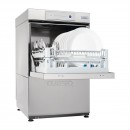 Glass and Dishwashers
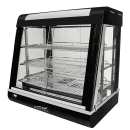 Pie Warmers & Hot Food Displays
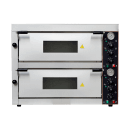 Pizza Ovens
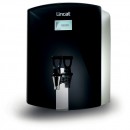 Water Boilers
 Bar Supplies
 Bowls & Display Baskets
 Cash Registers
 Chafing Dish Sets & Fuel
 Menus & Boards
 Table Numbers & Stands
 Salt, Pepper & Spice Mills
 Crockery
 Cutlery
 Glassware
 Wine Glasses
 Bins
Bins Cleaning Chemicals
 GreasePak
 Janitorial Equipment
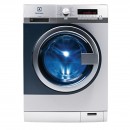 Laundry Equipment
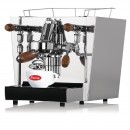 Coffee Machines
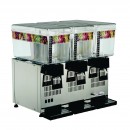 Juice Dispensers
 Juicers
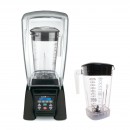 Drink Blenders
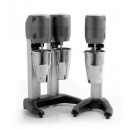 Milkshake Blenders
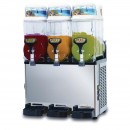 Slush Machines
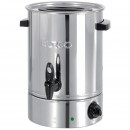 Water Boilers
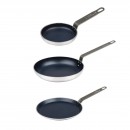 Cookware
 Gastronorm Containers
 Ingredient Bins
 Pastry & Baking
 Utensils
 Pizza Pans & Equipment
 Food Storage
 Food Transport & Delivery Bags
 Folding Furniture
 Garden and Outdoor Furniture
 High Chairs
 Chairs
 Tables
Prep Counters & Fridges
Commercial Refrigerated Prep Counters are essential workhorses for any serious kitchen operation across the UK. These brilliant units combine refrigerated storage below with a preparation surface and ingredient wells above—perfect for busy restaurants, cafés, and sandwich shops needing quick access to chilled ingredients. With robust stainless steel construction and temperatures ranging from 2-8°C, they keep everything from sandwich fillings to pizza toppings perfectly fresh during service. After 50 years supplying kitchens, we've seen how these prep counters work brilliantly alongside blast chillers and commercial refrigerators to create an efficient food preparation workflow that saves time and reduces waste!
Shop By
-
£599.99 £1,663.00
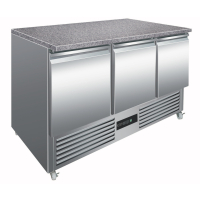
Commercial Refrigerated Counter | 3 Door Fridge with Marble Work Top | 368 Litre Capacity | King MBT1365
900H x 1365W x 700D mm
13 amp plug fitted
368 Litres
Stainless Steel
£699.99 £1,980.00Commercial Refrigerated Prep Counter | 3 Door Stainless Steel Prep Fridge | 420L Capacity | King L7200R.HD
120 KG850H x 1800W x 700D mm
13 amp plug fitted
368 Litres
Stainless Steel
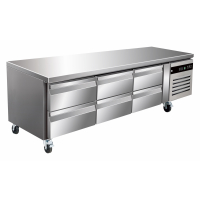
£1,403.99 £4,379.00Commercial Chef Base Counter | Low Height Bench Fridge | 6 Drawer Refrigeration | King KCB465
650H x 1795W x 700D mm
Electric
Five Year Electricity Cost £1292.83 - based on £0.28 per unit
Stainless Steel
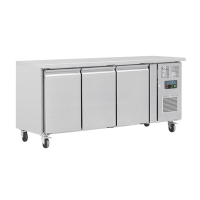
£2,007.10 £3,010.66Commercial 3 Door Counter Fridge | Under Counter Refrigerator | 339 Litre | Polar G378
142860H x 1795W x 600D mm
13 amp plug fitted
339Ltr
Stainless Steel
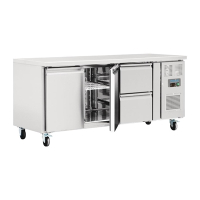
£2,558.08 £3,837.12Commercial 2 Door 2 Drawer Counter Fridge | Gastronorm Refrigerator | 417 Litre Capacity | Polar GD874
162860H x 1795W x 700D mm
13 amp plug fitted
417Ltr
Stainless Steel
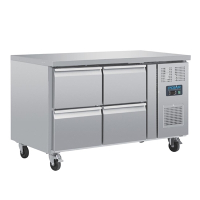
£2,610.54 £3,915.82Commercial Gastronorm Counter Fridge | Four Drawer Refrigerator | 440L Capacity | Polar U-Series DA547
133860H x 1360W x 700D mm
Electric
4 x 1/1GN
Stainless Steel
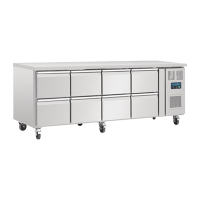
£3,804.32 £5,706.48Commercial Gastronorm Counter Fridge | Refrigerated Prep Counter | Eight Drawer | Polar U-Series DA549
213860H x 2230W x 700D mm
Electric
Time-saving easy-clean stainless steel construction
Stainless Steel
Commercial Refrigerated Prep Counters for Restaurants & Kitchens
Explore More About Prep Counters & Fridges
Get expert guidance, see real chef stories, and find answers to your most common questions.
Brands Trusted by Industry Professionals
Key Features and Benefits
- Precise Temperature Control Maintains ideal 2-8°C for food safety and freshness in any kitchen environment.
- Gastronorm Compatibility Fits standard GN containers for easy ingredient rotation and replacement.
- Durable Stainless Steel Commercial-grade construction withstands daily kitchen punishment.
- Energy Efficiency New models use 30% less power—serious savings for busy kitchens.
- Forced Air Cooling Ensures uniform chilling throughout—no warm spots.
- Multiple Configurations From 2-door sandwich units to 3-door pizza stations—perfectly tailored solutions.
- Self-Closing Doors Maintains temperature and reduces energy waste during service.
- Easy-Clean Design Rounded internal corners and removable gaskets for proper hygiene.
Too busy to read? Listen instead.
In this episode of The Deep Dive, we explore refrigerated prep counters—how they integrate chilled storage with prep surfaces to speed up kitchen workflows, maintain food safety, optimize space, and simplify cleaning. A go-to tool for efficient high‑volume kitchens.
16.48min | Expert-led | Real-world advice
Read Full Podcast Transcript: "Prep Counters & Fridges" 0:00: Welcome to the deep dive.
0:01: This is where we take a, well, a mountain of information on a specific topic and really dig into it to pull out the key insights you need fast.
0:10: And today, that mountain comes from easy equipment, all about commercial refrigerated prep counters.
0:17: We're diving deep into these units.
0:19: Prep counters, right, so these are those stainless steel things you see in busy kitchens, the, the workhorses humming away.
0:26: Exactly, they're essential kit.
0:28: Our mission today.
0:29: To understand the benefits, the key features, and really what you need to think about if you're looking at getting one.
0:35: It's about understanding these beasts of the catering world.
0:38: OK, sounds good.
0:39: Useful if you're running a kitchen, obviously, but also just interesting to understand how these places work.
0:44: So for those of us maybe not running a commercial kitchen, paint the picture.
0:48: What is a commercial refrigerator prep counter?
0:50: OK, imagine a sturdy, usually stainless steel unit.
0:53: It combines a work surface on top for actually prepping food, right, like a chopping board area.
0:58: Sort of, yeah, a durable prep surface.
1:00: Then underneath, you've got refrigerated storage, like a fridge cabinet.
1:04: And crucially on top, built into the workspace are these wells, these containers, for the ingredients precisely to hold your prepped ingredients, chopped veg, sauces, meats, whatever, right there, chilled, typically between 2 and 8 °C.
1:20: It's all about immediate access.
1:21: Got it.
1:22: So everything's right where you need it, properly cold.
1:24: Who's using these day to day then?
1:26: Oh, loads of places.
1:27: Basically anywhere speed and fresh ingredients are critical.
1:31: Think restaurants, busy cafes, definitely sandwich shops.
1:35: They rely on these heavily.
1:36: Makes sense for assembly lines like sandwiches.
1:39: Yeah, exactly.
1:39: It keeps all those chilled fillings instantly available.
1:42: They're a key part of an efficient workflow, you know, often used alongside things like blast chillers for cooling stuff down fast and bigger commercial.
1:50: Fridges for the bulk storage.
1:52: OK, so it's more than just a fridge with a shelf on top.
1:54: What are the the specific features?
1:57: What makes them so indispensable?
1:59: Well, several things stand out.
2:00: That precise temperature control, the 2 to 8 degrees C range, that's vital.
2:05: It's not just general safety, it's about actively slowing bacteria growth and keeping ingredients really fresh.
2:11: OK, maintaining quality, right.
2:13: And then there's gastronome compatibility.
2:15: You'll hear GN mentioned a lot.
2:17: GM Gastronome, it's basically a standard European sizing system for food containers, trays, pans, all that stuff.
2:25: These counters are designed to fit standard GN containers perfectly.
2:29: like kitchen Lego, so everything just slots in.
2:31: Pretty much, it makes swapping ingredients, organizing your setup, even managing stock rotation and waste so much easier.
2:37: It standardizes things.
2:39: Smart.
2:39: What else you mentioned their workhorses.
2:41: Definitely the durability.
2:42: They're built from commercial grade stainless steel.
2:45: They have to withstand the, the knocks and spills of a fast-paced kitchen.
2:49: I can imagine.
2:50: And something really important now is energy efficiency.
2:53: Newer models are much better, some using like 30% or even 40% less power than older units.
2:59: That adds up on the bills.
3:00: Oh wow, that's a big saving over time.
3:03: Huge.
3:04: Then you've got things like forced air cooling.
3:07: It's basically a fan system inside that circulates the cold air evenly, no warm spots, everything stays consistently chilled.
3:14: OK, consistent temperature throughout.
3:16: Yep, and they come in different setups.
3:17: You might get a two-door unit, often good for sandwiches, or wider three-door ones, maybe better for pizzas with lots of toppings.
3:24: And you could choose doors or drawers for the under-counter storage, depending on what works best for your team.
3:30: So, lots of options.
3:31: You mentioned seeing quite a range.
3:33: Yeah, the source listed, I think, 44 different items, gives you an idea of the variety available, and little things too, presumably.
3:41: Small but significant things, yeah, like self-closing doors, seems minor, but in a rush, doors get left open.
3:47: Self-closing ones keep the cold air in, maintain temperature and save energy.
3:51: Big help during service.
3:53: Definitely see the benefit there.
3:54: What about, cleaning?
3:56: Hygiene must be massive in a commercial kitchen.
3:58: Absolutely critical.
3:59: These units are designed with that in mind.
4:02: You often find rounded internal corners, so there are no sharp edges for grind to get trapped in.
4:07: easier to wipe down.
4:08: Exactly.
4:09: And the door gaskets, those rubber seals, are usually removable.
4:13: Makes it much easier to give them a proper clean and make sure they're sealing correctly.
4:17: OK, makes sense.
4:18: So if someone's listening and thinking, yes, my kitchen needs this, what are the big things they need to weigh up before buying?
4:24: Right, first things first.
4:26: Size and capacity.
4:28: Get the tape measure out.
4:29: Seriously, measure your space accurately.
4:32: A typical two door might need about 1400 millimeter width, for example.
4:36: Don't just guess it.
4:37: No way.
4:38: Then think about capacity.
4:39: How many different chd ingredients do you need instantly accessible during your busiest time?
4:44: A busy place might need, say, 8 or more of those GN wells on top, and the storage underneath.
4:49: Yeah, consider that too.
4:51: Do drawers make access quicker for your workflow, or are shelves behind doors better for how you store larger items?
4:58: It depends on how you operate.
4:59: Right?
5:00: Tailor it to your actual process.
5:01: What about performance?
5:03: Kitchens can get hot.
5:04: Crucial point.
5:05: Check the unit's maximum ambient operating temperature.
5:08: Standard ones usually cope up to about 32 °C.
5:12: If your kitchen gets hotter, you might need a specific climate class model.
5:17: Good to know.
5:18: Power too.
5:19: Definitely check the power requirements.
5:21: Most will run off a standard 13 amp plug like a normal appliance, but always verify the specifications just in case you need something different.
5:30: Don't assume.
5:31: And match it to the menu, you said?
5:32: Yeah, a sandwich place has different needs to a pizza place, right?
5:35: Think about the range and type of ingredients you need to hold.
5:38: A pizza counter might need wider wells or more of them, right?
5:42: Specific needs for specific foods.
5:44: OK, let's peek under the hood a bit.
5:46: How do these things actually do the chilling?
5:48: What's the, the magic inside?
5:50: , well, it's clever engineering based on standard refrigeration, really.
5:54: You have the insulated cabinet at the base, keeping that 2 to 8 degree zone.
5:58: The main fridge part.
5:59: Exactly.
6:00: Then above is the workspace with those chilled wells integrated.
6:03: The cooling itself comes from a compressor circulating refrigerant gas through a system of coils, usually hidden away, like a home fridge, but more heavy duty.
6:12: Basically, yes.
6:13: It pulls heat out of the cabinet and the wells, keeping everything cold.
6:16: Those GN wells are positioned so the cold air keeps the ingredients at the right temperature.
6:21: And you mentioned an upstand.
6:23: Yeah.
6:24: Often there's a small raised lip at the back of the work surface, just helps stop ingredients or spills falling down the back of the unit.
6:30: Simple but useful.
6:32: Makes sense.
6:33: How is the temperature actually managed?
6:35: Usually with digital controllers, you can set the precise temperature you need, and it'll monitor and adjust.
6:41: They also nearly always have automatic defrost systems.
6:44: , so no big ice buildups.
6:47: Exactly.
6:48: It runs cycles periodically to melt any frost, keeping it running efficiently.
6:52: And those lids for the wells we mentioned.
6:54: They're important for keeping ingredients fresh and cold, especially overnight or during quieter periods.
6:59: Got it.
7:00: Seems like a lot of thought goes into the design.
7:03: We managed to get some expert input too, didn't we, from a specialist?
7:06: We did.
7:07: Liam Sinclair, he's a refrigeration specialist, 13+ years experience, he said, and I quote, refrigerated prep counters are the unsung heroes of a fast-paced kitchen.
7:18: Keeping your ingredients chilled and within arm's reach, saves time and keeps food safe.
7:24: Unsung heroes, I like that.
7:26: He also added, go for models with solid build and easy clean surfaces.
7:30: Trust me, your chefs and your local environmental health officer EHO will thank you.
7:35: , the EHO mention that definitely underlines the importance of getting it right.
7:40: Isn't it?
7:40: Absolutely.
7:41: food safety is non-negotiable.
7:42: So on that note, what are the absolute must-do safety guidelines for using these counters?
7:47: OK, top of the list.
7:49: Temperature monitoring.
7:50: Check that digital display daily.
7:52: Make sure it's holding steady in that safe 2 to 8 degree zone, right?
7:55: Constant vigilance, yes, yes, and door management.
7:58: Keep them closed as much as possible.
7:59: Don't prop them open even during busy service.
8:02: Also, loading, don't cram it so full that you block the air vents inside.
8:06: Air needs to circulate that airflow crucial.
8:09: Then rigorous cleaning.
8:12: Food contact services need regular sanitizing, maybe even hourly during peak times to avoid cross-contamination.
8:19: Holy, wow.
8:20: In busy periods, yes.
8:21: And if you're closing down for a day or more, empty it completely, clean it thoroughly.
8:26: Finally get it professionally serviced annually is usually recommended, keeps it safe and efficient.
8:31: Solid advice.
8:32: Like any important tool needs looking after.
8:35: Are there any sort of pro tips for getting the very best out of them?
8:39: Yeah, a few things.
8:40: When you first turn it on or after cleaning, give it a good hour to get.
8:43: Down to temperature before loading it with food.
8:45: Let it chill properly first.
8:47: Clean the GN containers daily, religiously, and do a weekly deep cleaning of the whole unit, including the condenser coils.
8:54: They can get dusty, which affects efficiency.
8:56: Condenser coils.
8:57: Well, where are they?
8:58: Often at the back or underneath.
9:00: They need clear airflow.
9:02: Which leads to positioning, try to keep the unit away from heat sources like ovens or grills, if you can.
9:07: Makes sense, fighting heat with cold.
9:09: Exactly.
9:09: Use a good food rotation system first in, first out, and label everything clearly with dates.
9:15: Check the door seals monthly, make sure they're clean and making a tight seal, and ensure good ventilation around the unit itself, especially the compressor area.
9:24: Don't block the vents on the outside.
9:25: All sounds like practical stuff that adds up.
9:27: So bringing it back to the Y.
9:30: What are the big tangible benefits a business sees from using one of these properly?
9:34: It really boils down to a few key things.
9:37: Time efficiency is huge.
9:39: Having ingredients prepped and right there can genuinely speed up service.
9:43: Some estimates say by up to 40%.
9:45: 40%, that's massive during a lunch rush, isn't it?
9:48: Then there's reduced food waste, proper consistent temperature control just extends the life of your ingredients.
9:54: Less spoilage, less waste.
9:55: Good for the planet, good for the wallet.
9:57: Exactly.
9:58: And linking back to the energy efficiency.
10:00: Those newer models really do cut down electricity costs compared to older kit or say, multiple smaller fridges.
10:06: So, faster service, less waste, lower bills, sounds like a win win win.
10:11: We found some interesting little factoids too, didn't we?
10:14: We did.
10:15: Some quick did you knows, like, keeping food around 4 °C can slow bacteria growth by about 90%.
10:21: That's the science behind that temperature range.
10:23: 90%.
10:24: Wow.
10:25: And longevity, a well-maintained quality unit.
10:27: You're looking at 8 to 10 years of service.
10:29: It's a proper investment.
10:30: Definitely not a short term purchase.
10:32: No.
10:33: And we mentioned the energy savings modern ones using maybe 40% less energy than Units from 10 years ago is pretty standard now.
10:42: Plus versatility, some larger units can hold up to 16 different GN pans of ingredients.
10:47: 16 different things, all chilled and ready.
10:50: That's impressive flexibility.
10:51: We had another expert quote too.
10:53: Yes, Chris, another refrigeration specialist, he said, the right prep counter literally transforms food service speed.
10:59: Kitchens report up to 35% faster prep.
11:02: when upgrading from standard fridges to purpose-built units, 35%, still a huge number.
11:07: It really is.
11:08: He summed up the pros as streamlined workflow, reduce waste, consistent food quality, the cons, mainly just the commitment needed for regular cleaning and occasionally replacing those door gaskets as they wear out over time.
11:20: Fair enough.
11:20: Seems like the pros heavily outweigh the cons if you need that speed and consistency.
11:25: So, let's paint some pictures.
11:27: Who really needs one of these?
11:28: Well, we've touched on it, but restaurants of almost any kind benefit streamlining prep as universal.
11:34: Pizzerias are a classic example, keeping all those toppings organized and cold.
11:39: Definitely see that sandwich shops, as we said, for that assembly line efficiency, hotels too, especially for big breakfast buffets or banquet prep where you're dealing with high volumes.
11:50: So quite a broad range across food service.
11:52: Any real world examples?
11:54: Yeah, the source mentioned a case study in independent sandwich shop in Bristol.
11:58: They had issues with their old setup.
12:01: Staff running back and forth to a walk-in fridge, ingredients warming up a bit on the counter, prep times dragging.
12:07: Sounds familiar for some places, probably.
12:09: Right, so they invested in a three-door prep counter with, I think 9 GN wells.
12:13: The result, they apparently have their sandwich assembly time.
12:17: Yeah.
12:17: Ingredients stayed properly chilled all day, even in summer, and they actually saw their electricity usage drop compared to the old separate fridge and counter setup.
12:26: That's a brilliant concrete example of the impact.
12:28: OK, let's tackle some likely listener questions.
12:31: What are the common FAQs about these units?
12:33: Good idea.
12:34: Cleaning frequency comes up a lot.
12:36: General rule, daily for food services, weekly for a deep clean.
12:41: OK, ideal temperature.
12:43: That 2 to 8 °C range, but aiming for around 4 degrees C is often seen as optimal for most things.
12:49: Handling heat, you mentioned the 32 degrees.
12:52: Yeah, standard units handle up to about 32 ft ambient.
12:55: Always check the spec sheet though, especially if your kitchen routinely gets very hot.
12:58: How many GM containers?
13:00: Plan for your busiest periods.
13:02: Maybe even think about having double the well capacity in containers, so you can quickly swap out empties for full ones during service, makes rotation easier.
13:10: Good tip, energy efficiency.
13:12: Modern ones?
13:13: Yeah, up to 40% more efficient than older models is achievable.
13:16: Worth looking for energy ratings if possible, and lifespan.
13:20: With good care and maintenance, 8 to 10 years is a reasonable expectation for a quality commercial unit.
13:26: Great, really useful answers there.
13:28: So, If a business knows they need one, but they have specific needs, say, they're a hotel versus a takeaway, how do they find the right fit?
13:38: Suppliers like Ey Equipment often helpfully categorize equipment by business type, so you can browse sections specifically for restaurants or catering, takeaways, hotels.
13:47: cafes, and so on.
13:49: so you can filter by your sector.
13:51: Exactly.
13:51: It helps narrow down the choices to units that are generally well suited for your kind of operations demands.
13:57: That's smart.
13:58: And are there other bits of kit people should think about alongside these part of the bigger picture?
14:02: Definitely.
14:03: These counters often fit into a larger system.
14:05: So related things to consider might be your main commercial fridges and freezers, maybe ice machines, the cold storage family, right?
14:12: Also, other worktops, food prep equipment like mixers or slicers, sinks for hygiene, maybe even freezer prep counters if you work with frozen stuff too, utensils, thermometers.
14:21: Yep, thermometers are crucial, and cleaning supplies, of course.
14:25: It's all part of that efficient, safe kitchen ecosystem.
14:28: Makes sense.
14:29: It all works together.
14:30: Did we get any direct feedback from users, Customer comments?
14:33: We did, couple of quotes here.
14:34: Mark, the head chef, our kitchen efficiency doubled with this prep counter worth every penny.
14:40: Doubled high praise.
14:42: And Jane, a cafe owner, Fresh ingredients all day, even in summer heat, brilliant bittiquette.
14:50: It's good to hear that real world validation.
14:52: Absolutely, it backs up everything we've been discussing.
14:55: Now, our source for this was easy equipment.
14:58: What makes them a reliable choice?
15:00: Well, they've got significant experience over 50 years in kitchen refrigeration apparently.
15:04: They offer fast UK-wide delivery, often 3 to 5 days for most units.
15:08: That's pretty quick for big equipment.
15:10: It is.
15:11: They also have a best price promise and importantly, real human support UK-based experts you can actually phone up and talk to.
15:17: That personal support can be really valuable when you're making a big purchase.
15:21: OK, so for anyone listening who's now thinking a prep counter might be what their kitchen needs, what's the call to action?
15:27: We'd really encourage you to explore the range available.
15:30: As we've heard, they genuinely can transform kitchen efficiency and productivity.
15:34: Worth investigating.
15:35: Definitely.
15:36: You can contact the team at E Equipment directly to discuss your needs.
15:40: Their number is 03333550535.
15:45: Find the right unit for your setup.
15:46: And for online searching, good hashtags to use would be#commercialprep counter, kitchen equipment,#restaurantfridge, hashtag Easy equipment, Chef Life,#foodprep, and hashketering supplies.
16:00: Excellent.
16:00: So wrapping this up, it feels clear that these commercial refrigerated prep counters are far more than just fancy fridges.
16:06: They're pretty fundamental for any serious food business wanting efficiency and safety.
16:11: Absolutely.
16:11: The benefits are clear, saving time, cutting down on food waste, saving money on energy in the long run, and just creating a smoother, less stressful workflow and what can be a really high pressure environment.
16:21: So, here's a final thought for you to take away.
16:23: We've seen how one specific piece of equipment can fundamentally change kitchen dynamics.
16:29: It makes you wonder what are the unsung heroes, the overlapped workhorses in your own field or profession that might deserve a closer look.
16:37: Think about those core ideas, streamlined workflow, having resources instantly accessible.
16:42: How could those principles apply to improve things in your world, whatever you do?
16:46: Thanks for joining us for this deep dive.
Essential Buying Considerations
Size and Capacity
- Measure your available space—standard 2-door units need about 1400mm width.
- Calculate required GN container capacity—busy venues need 8+ wells.
- Consider undercounter storage—either drawers or doors based on workflow.
Performance Requirements
- Check ambient operating temperature—standard units handle up to 32°C.
- Assess power requirements—most run on 13A but check specs.
- Match to menu—sandwich prep differs from pizza prep requirements.
How Commercial Refrigerated Prep Counters Work
These clever kitchen multitaskers feature a refrigerated cabinet base that maintains temperatures between 2-8°C while supporting a workspace above with chilled ingredient wells. The magic happens with powerful compressors circulating refrigerant through hidden cooling systems—keeping ingredients perfectly chilled without freezing them. Gastronorm-compatible wells hold your prepped ingredients, while the rear upstand prevents spillage. Digital controllers let you set precise temperatures, and automatic defrost systems prevent ice buildup. When service ends, simply cover your ingredient wells with the included lids, and everything stays perfectly fresh until the next rush!

Trusted Insights from Liam Sinclair

Refrigeration Specialist
13+ years experience
"Refrigerated prep counters are the unsung heroes of a fast-paced kitchen—keeping your ingredients chilled and within arm’s reach saves time and keeps food safe. Go for models with solid build and easy-clean surfaces; trust me, your chefs (and your EHO) will thank you."Safety Guidelines
- Temperature Monitoring Check displays daily—maintains food safety standards.
- Door Management Keep closed during service breaks—maintains safe temperatures.
- Load Properly Never obstruct air vents—ensures proper circulation.
- Regular Sanitizing Clean food contact surfaces hourly—prevents cross-contamination.
- Proper Shutdown Empty and clean before extended closures.
- Professional Servicing Schedule annual maintenance—catches issues early.
Top Tips for Using Commercial Refrigerated Prep Counters
Always allow your unit to reach perfect temperature before loading ingredients—typically about 60 minutes after powering on. Clean gastronorm containers daily and the entire unit weekly, including condenser coils. Position your prep counter away from heat sources like ovens and fryers for optimal performance. Use a food rotation system with clear labeling to maintain freshness and compliance. For extended life, check and clean door seals monthly and ensure proper ventilation around the compressor area.
Benefits of Using Commercial Refrigerated Prep Counters
- Time Efficiency Everything at fingertips—speeds up service by 40%.
- Reduced Food Waste Proper temperature control—extends ingredient life.
- Cost Savings Energy-efficient models cut electricity bills significantly.
Did You Know?
- Temperature Science The ideal 4°C sweet spot slows bacteria growth by 90%.
- Longevity Quality units last 8-10 years with proper maintenance.
- Efficiency Modern models use 40% less energy than decade-old units.
- Versatility Some units handle up to 16 different ingredients in separate wells.

Expert Insights on Commercial Refrigerated Prep Counters
Having supplied these units to thousands of UK kitchens over five decades, we've gathered some wisdom. 'The right prep counter literally transforms food service speed,' notes Chris, our refrigeration specialist. 'Kitchens report up to 35% faster prep times when upgrading from standard fridges to purpose-built units.'
- Pros: Streamlined workflow, reduced waste, consistent food quality.
- Cons: Requires regular cleaning and occasional gasket replacement.
Who Needs Commercial Refrigerated Prep Counters?
- Restaurants Essential for busy kitchens—streamlines food preparation.
- Pizzerias Specialized units keep toppings fresh and accessible.
- Sandwich Shops Perfect for efficient assembly-line preparation.
- Hotels Handles high-volume breakfast and banquet prep seamlessly.

Real-World Success with Commercial Refrigerated Prep Counters
A bustling sandwich shop in Bristol was struggling with their old setup—staff constantly running back to the walk-in fridge, ingredients warming up during service, and prep times frustrating customers. After installing our 3-door refrigerated prep counter with 9 gastronorm wells, everything changed. 'We've cut sandwich assembly time in half,' the owner explained. 'The lads can prep everything before opening, and it stays perfectly chilled through the lunch rush. Plus, we're using less electricity than with our old separate fridge and worktop setup!'
FAQs
- How often should I clean my prep counter? Daily for food contact surfaces, weekly deep clean including gaskets and condenser.
- What temperature should my prep counter maintain? Between 2-8°C, with 4°C being ideal for most ingredients.
- Can prep counters handle hot kitchen environments? Most commercial models work in ambient temps up to 32°C—check specifications.
- How many gastronorm containers do I need? Plan for busy periods—typically double your well capacity for rotation.
- Are refrigerated prep counters energy-efficient? Modern models use up to 40% less energy than older units.
- How long do commercial prep counters last? Quality units last 8-10 years with proper maintenance and cleaning.
Looking for Equipment by Business Type?
Not sure where to start? Whether you're running a bustling café, opening a pizzeria, or managing a school canteen, we've made it easy to shop by business type. Explore handpicked equipment bundles and essentials tailored to your industry—saving you time and making sure you get exactly what you need.
Other Categories You Might Find Useful
We’ve selected some closely related categories that might be essential for your setup. Whether you’re expanding your kitchen or just making sure you’ve got everything covered, these links will help you explore more equipment that fits your needs.
What our Customers Say
'Our kitchen efficiency doubled with this prep counter—worth every penny!'
M Mark Head Chef, The Copper Kettle, Norwich'Fresh ingredients all day, even in summer heat. Brilliant bit of kit!'
J Jane Café Owner, Seaside Bites, Bournemouth
Why Choose EasyEquipment for Commercial Refrigerated Prep Counters?
- Trusted Supplier 50 years advising on kitchen refrigeration—genuine expertise.
- Fast Delivery Nationwide service—most units arrive within 3-5 days.
- Best Price Promise Found it cheaper elsewhere? We'll match it straightaway.
- Real Support UK-based experts available by phone—no overseas call centers.
Ready to Explore Commercial Refrigerated Prep Counters?
Transform your kitchen's efficiency with our range of commercial refrigerated prep counters. From compact sandwich stations to extensive pizza prep tables, we have the perfect solution to streamline your food preparation and boost productivity!