
 Bottle Coolers & Beer Fridges
 Ice Cream Displays
 Ice Cream Machines
 Chest Freezers
 Commercial Freezers
 Commercial Fridges
 Ice Cube Makers and Flakers
 Wine Coolers
 Bain Maries
 Commercial Microwaves
 Commercial Sinks
 Commercial Ovens
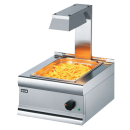 Fryers and Chip Scuttles
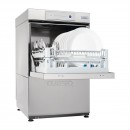 Glass and Dishwashers
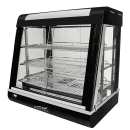 Pie Warmers & Hot Food Displays
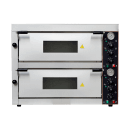 Pizza Ovens
 Water Boilers
 Bar Supplies
 Bowls & Display Baskets
 Cash Registers
 Chafing Dish Sets & Fuel
 Menus & Boards
 Table Numbers & Stands
 Salt, Pepper & Spice Mills
 Crockery
 Cutlery
 Glassware
 Wine Glasses
 Bins
Bins Cleaning Chemicals
 GreasePak
 Janitorial Equipment
 Laundry Equipment
 Coffee Machines
 Juice Dispensers
 Juicers
 Drink Blenders
 Milkshake Blenders
 Slush Machines
 Water Boilers
 Cookware
 Gastronorm Containers
 Ingredient Bins
 Pastry & Baking
 Utensils
 Pizza Pans & Equipment
 Food Storage
 Food Transport & Delivery Bags
 Folding Furniture
 Garden and Outdoor Furniture
 High Chairs
 Chairs
 Tables
Medical & Pharmacy Fridges
Medical and Pharmacy Refrigerators are essential investments for UK healthcare facilities needing precise temperature control for sensitive items. These commercial-grade units maintain strict temperatures between 2-8°C—worlds apart from standard fridges that can't deliver the consistent environment critical medicines and vaccines demand. Built with medical-grade components, they feature temperature monitoring systems, secure doors, and reliable alarms that standard refrigeration simply can't match. After 50 years supporting the healthcare sector, we've seen how these specialist fridges work alongside pharmaceutical freezers and laboratory equipment to create complete medical storage solutions that ensure compliance and patient safety.
Shop By
-
 £643.99 £958.00
Pharmacy Refrigerator | Medical Fridge | 145L Capacity | Blizzard MED140
38819H x 598W x 648D mm
Blizzard
145 ltr
White
Medical & Pharmacy Refrigerators for Healthcare Facilities
Explore More About Medical & Pharmacy Fridges
Get expert guidance, see real chef stories, and find answers to your most common questions.
Brands Trusted by Industry Professionals
Key Features and Benefits
- Precise Temperature Control Maintains steady 2-8°C environment—crucial for medication efficacy.
- Alarm Systems Visual and audible alerts warn of temperature deviations—prevents costly losses.
- Secure Access Lockable doors protect valuable contents—maintains inventory security.
- Power Failure Protection Battery backups maintain monitoring during outages—adds peace of mind.
- Data Logging Records temperature history for compliance—simplifies inspections.
- Clear Visibility Glass doors show contents without opening—reduces temperature fluctuations.
- Rapid Recovery Quickly returns to set temperature after door opening—maintains safety standards.
- Remote Monitoring Advanced models offer network connectivity—sends alerts to staff devices.
Too busy to read? Listen instead.
In this episode of The Deep Dive, we explore medical-grade fridges—covering precise 2–8 °C control, alarms & logging, secure access, and remote monitoring. Learn how these features safeguard medicines, support compliance, and optimize healthcare efficiency.
11.55min | Expert-led | Real-world advice
0:00: Welcome to the deep dive.
0:02: Ever, stop to think about what keeps life-saving medicines, you know, vaccines safe and effective right up until they're needed.
0:10: Today, we're kind of pulling back the curtain on something you probably see all the time, but, well, rarely give a second thought to.
0:16: Medical and pharmacy refrigerators.
0:18: Our mission here is to really understand why these aren't just your average kitchen fridge.
0:23: They're essential high precision equipment in healthcare.
0:26: We want to get into what makes them so vital.
0:29: You know, for patient safety and meeting all those regulations.
0:32: You're absolutely right, and the sources we looked at, they really show we're talking about much more than just well glorified coolers.
0:39: It's actually a fascinating world.
0:40: Precision, criticality, every single degree matters.
0:44: It really highlights how important they are in the whole healthcare setup.
0:47: OK, so let's start right there.
0:48: The fundamental difference, because you put a standard fridge next to a medical one, and they really are, as you said, worlds apart.
0:53: I guess the big thing is that strict temperature control, right?
0:57: Keeping it consistently between 2 and 8 °C.
1:00: Exactly.
1:01: And that that pinpoint precision, it isn't just a nice to have, it's absolutely critical.
1:06: Your standard home fridge, it swings in temperature quite a bit.
1:10: It just can't deliver that stable environment that these critical medicines and vaccines need.
1:16: These specialized units, though, they're built differently, medical grade components from the ground up.
1:21: And they don't work alone, you see.
1:23: They're part of a system working alongside pharmaceutical freezers, other lab equipment.
1:28: It's all about creating complete controlled storage solutions.
1:32: That whole integrated approach, well, it's fundamental for compliance, sure, but really it's about patient safety.
1:37: OK, so if they are worlds apart, let's unpack that.
1:41: What are the core features, the things that really make them so special compared to, say, my fridge at home?
1:45: Well, it really boils down to control and reliability.
1:50: The most critical feature is definitely that precise temperature control, maintaining that steady 2 to 8 °C environment.
1:57: And this isn't just about keeping things cool, it's about protecting the actual structure of the medications, making sure they work as intended, their efficacy.
2:05: Beyond that, there's a whole suite of features for, well, peace of mind.
2:10: You've got robust alarm systems, OK, alarms, yes, visual and audible alerts, they trigger immediately if the temperature deviates even slightly.
2:19: That can prevent, you know, catastrophic losses of really valuable contents.
2:23: Then there's secure access, usually lockable doors that protects the inventory, obviously, but also patient safety, keeps things secure.
2:29: You mentioned those alarm systems.
2:31: Here's where it gets really interesting, isn't it?
2:33: I mean, think about losing a whole batch of expensive vaccines or maybe custom medicines.
2:38: These systems aren't just a backup.
2:40: They're like an insurance policy.
2:42: That's a great way to put it, an insurance policy and for continuous operation.
2:45: Many have power failure protection like battery backups.
2:49: Exactly battery backups that keep the monitoring systems running during an outage give staff crucial time to react.
2:56: Data logging is another one.
2:58: It's pretty much non-negotiable now.
2:59: It automatically records the temperature history, right, for the records, compliance precisely.
3:04: It creates that audit trail which is vital for compliance and makes inspections so much easier.
3:09: You can see exactly when something went wrong, if it did.
3:12: Many models also have clear visibility, you know, glass doors.
3:16: Staff can see inside without opening the door all the time, which helps keep the temperature stable, though I guess not for everything, light sensitive stuff.
3:23: Good point.
3:24: Yeah, for light sensitive items, you'd still want solid doors or maybe use amber containers inside.
3:29: They also feature rapid recovery, so when you do open the door, the unit gets back down to the set temperature very quickly afterwards, minimizes the impact.
3:38: And then there's remote monitoring.
3:40: More advanced models connect to the network, send alerts straight to staff phones or devices wherever they are.
3:46: So it's not just the features themselves, but how they kind of integrate into the workflow and stop problems before they even happen.
3:52: How do they actually do that?
3:53: Achieve that level of precision and rapid recovery.
3:57: What's going on under the hood, so to speak.
3:59: It's really all about purpose-built technology.
4:02: Medical fridges use what's called precision cooling.
4:04: Think about your home fridge.
4:05: The compressor mostly just switches on or off, right?
4:08: Boom, boom.
4:08: Yeah, pretty much.
4:09: But in a medical unit, the specialized compressors are smarter.
4:12: They can vary their speed, their output, making these tiny constant adjustments to keep the temperature incredibly stable.
4:19: It's like Fine tuning a guitar string versus just hitting a single note, much more controlled.
4:25: And that's paired with enhanced insulation, not just thicker, but using materials and designs that really minimize any heat getting in or out, creates a properly sealed environment.
4:36: And crucially, many use forced air circulation systems like a fan inside, exactly, but a sophisticated one.
4:42: It makes sure the cool air reaches everywhere evenly top shelf, bottom shelf, back corners.
4:48: No warm spots that could compromise anything sensitive.
4:51: And managing all of this intelligent microprocessor controls, kind of like the fridge's brain, constantly monitoring, adjusting, even anticipating changes to keep things stable.
5:02: You get digital displays showing the real-time temperature and those automatic alarms we talked about.
5:07: They trigger instantly, if anything drifts, even slightly, gives staff real confidence.
5:12: That really paints a picture of the tech involved and when you talk about what's at stake.
5:17: The numbers really drive it home, don't they?
5:19: What are some of those did you know facts that highlight the impact here?
5:24: Yeah, let's have a few of those.
5:25: Did you know that vaccines, if they're exposed to the wrong temperature, can actually lose their effectiveness in just a matter of hours?
5:31: Wow, hours that quick, that quick.
5:33: They're incredibly sensitive.
5:35: And on the flip side, using proper medical refrigeration can cut down medication wastage by Up to 25%.
5:42: 25%.
5:42: That's huge for a clinic or hospital budget.
5:45: It really is significant cost savings, and it's not just about saving money through less waste.
5:49: They're more efficient too.
5:51: Modern pharmacy fridges, they use about 60% less energy than models from just 10 years ago, 60% less energy.
5:58: OK, that's impressive.
5:59: It is.
6:00: Plus, these things are built to last.
6:02: Quality medical refrigerators with proper maintenance often last 10 years or more, so it's a long-term investment.
6:08: OK, 25% less waste, 60% less energy.
6:11: That's not just better patient care.
6:13: That's a massive win for the bottom line and, you know, for sustainability too.
6:18: Are facilities really looking at these newer models for those reasons?
6:21: Absolutely.
6:22: Those tangible benefits, the cost savings, the efficiency, they're definitely driving adoption.
6:27: So thinking beyond a big hospital, who else really depends on these specialized units day to day?
6:33: Oh, the list is pretty broad actually.
6:35: It stretches right across healthcare, hospitals for sure.
6:38: Their pharmacy departments are critical hubs, plus storage on the wards themselves, GP surgeries, absolutely essential for their vaccine programs, storing insulin, things like that.
6:49: Pharmacies, both the ones in hospitals and your community pharmacy on the high street.
6:53: They need controlled storage for prescriptions, and of course, laboratories.
6:57: They use them all the time for reagents, patient samples, research materials, anything needing that stable environment.
7:05: It's one thing to list them, but like how does this make a difference in the real world for a clinic or a pharmacy team?
7:11: Well, we came across a great example, a busy community pharmacy down in Bristol.
7:15: They're having real problems with their old fridge.
7:18: Temperature issues kept cropping up, putting thousands of pounds' worth of stock at risk, not to mention their compliance status.
7:25: Hugely stressful.
7:26: So they upgraded to a proper pharmaceutical grade unit, one with remote monitoring.
7:32: And the result, they completely eliminated those temperature incidents.
7:36: The lead pharmacists there mentioned the alarm system alerted them during a power fluctuation overnight, something they never would have caught otherwise, and that alert saved an entire delivery of expensive biologic drugs.
7:47: Wow, that's a direct hit to the bottom line avoided right there.
7:51: Exactly, a tangible impact, patient safety protected, and a huge potential loss prevented.
7:56: And you know, hearing from the specialists reinforces this.
7:59: Liam Sinclair, a refrigeration specialist, he basically said precision is everything.
8:04: These aren't just fridges, they're life saving equipment.
8:06: He really stressed getting models with digital controls and alarms, not some dodgy thermostat messing things up, right?
8:13: Don't want that.
8:15: And Dr.
8:15: Thompson, who specializes in health care equipment, put it bluntly.
8:18: The difference between consumer and medical grade can't be overstated.
8:22: For vaccines worth thousands, investing in proper storage isn't just about taking a regulatory box, it's just responsible healthcare.
8:30: That really hammers it home.
8:31: That phrase higher initial investment.
8:36: Yeah, maybe.
8:38: But as the experts point out, that cost is like tiny compared to the value of what it's protecting.
8:44: It's clearly an investment, not just an expense.
8:47: So for anyone listening who might be considering one of these units, what are the key things they should look for?
8:51: The essential buying consideration.
8:53: Oh, OK, good question.
8:54: First off, think about capacity and size.
8:57: Needs vary hugely.
8:58: You can get small, compact 36 L ones for tiny clinics, maybe sit on a counter.
9:03: Then there are mid-sized ones, say 150 to 400 L, good for a busy GP practice.
9:08: And then the big boys, 600 L plus for hospital pharmacies needing bulk storage.
9:13: So matching his size to the need.
9:15: What else?
9:15: Compliance and features.
9:16: This is crucial.
9:17: You really want to look for HRA compliant models here in the UK.
9:20: That means they meet the strict standards set by the Medicines and Healthcare Products Regulatory Agency.
9:25: Also check for features like fan assisted cooling.
9:28: We mentioned that earlier it ensures temperature uniformity, really critical for vaccines, and definitely check the data logging capabilities.
9:34: Makes sense.
9:35: So, OK, say you've got one, you've made the investment, it's installed.
9:39: What are the best practices then?
9:40: How do you make sure you're getting the most out of it, keeping it running perfectly?
9:43: Right.
9:44: Usage and maintenance are key.
9:46: There are definitely some top tips and safety guidelines, regular checks, verify the temperature twice a day.
9:52: Morning and evening is the standard recommendation, often required by guidelines like MHRAs.
9:57: Twice a day.
9:58: Got it.
9:59: And test the alarms monthly.
10:02: Just make sure they're actually working sound and light.
10:04: Practice good door discipline.
10:06: Sounds simple, but minimize how often and for how long the door is open.
10:10: Every time the temperature fluctuates.
10:13: Proper cleaning is important too.
10:15: Using the right disinfectants, keep it hygienic.
10:18: Think about power security.
10:19: If possible, connect the unit to an emergency power circuit.
10:22: And definitely look for models with those battery backups for the monitoring systems.
10:26: Good point, especially after that Bristol story.
10:29: Exactly.
10:29: Documentation.
10:30: Keep those temperature logs meticulously.
10:33: You usually need to keep them for at least 2 years for inspections.
10:36: Placement matters too.
10:37: Keep the fridge in a temperature controlled room if possible, away from direct sun or heating vents, and how you arrange things inside.
10:45: Leave space between items for air to circulate.
10:48: Don't pack it too tightly.
10:50: And definitely use the shelves or dedicated trays for sensitive vaccines, not the door compartments where temperatures can vary more, right?
10:58: Avoid the door shelves for the important stuff.
11:00: Definitely.
11:00: And finally, maybe consider integrating it with advanced temperature monitoring systems if you can.
11:05: That automatic documentation really simplifies compliance.
11:09: So there we have it.
11:10: We've covered quite a bit, haven't we?
11:12: From why these fridges are so different to all those advanced features ensuring precision and security.
11:16: It's really clear they play this absolutely critical role.
11:19: Patient safety, meeting regulations, they're fundamental.
11:23: Indeed, they really aren't just appliances.
11:26: As Liam Sinclair said, they're life saving equipment.
11:30: It highlights an often unseen but essential part of our whole modern healthcare infrastructure.
11:35: It's about ensuring the quality and trust behind the treatments we rely on.
11:39: It really makes you think, doesn't it?
11:40: Given everything we've unpacked today.
11:42: What other everyday looking pieces of equipment might have this whole hidden world of precision and criticality behind them that we just, well, never consider, something to ponder.
11:53: Thank you for joining us on this deep dive.

Essential Buying Considerations
Capacity and Size
- Choose from compact 36L units for small clinics—fits on countertops.
- Mid-sized 150-400L models suit busy GP practices—balances space and storage.
- Large 600L+ pharmacy refrigerators handle hospital demands—ideal for bulk storage.
Compliance and Features
- Look for MHRA-compliant models with temperature logging—meets UK standards.
- Consider alarm connectivity with building management systems—enhances monitoring.
- Assess fan-assisted cooling for uniform temperatures—critical for vaccines.
How Medical & Pharmacy Refrigerators Work
Medical refrigerators operate on precision cooling technology that maintains exact temperatures within the critical 2-8°C range—essential for preserving vaccines, medications, and biological samples. Unlike domestic fridges, these units use specialised compressors and enhanced insulation to prevent temperature fluctuations. Many models feature forced-air circulation systems ensuring uniform cooling throughout the cabinet, eliminating cold spots that could compromise sensitive contents. The intelligent microprocessor controls continuously monitor internal conditions, with digital displays showing real-time temperatures and automatic alarms triggering if readings drift outside safe parameters—giving healthcare staff complete confidence in their storage integrity.

Trusted Insights from Liam Sinclair

Refrigeration Specialist
13+ years experience
"When it comes to medical and pharmacy refrigeration, precision is everything—these units aren’t just fridges, they’re life-saving equipment. Always go for models with digital temperature control and alarms—you don’t want a dodgy thermostat messing with your vaccines or meds."
Safety Guidelines
- Regular Checks Verify temperature twice daily—maintains safety standards.
- Alarm Testing Check alert systems monthly—ensures proper function.
- Door Discipline Minimise opening frequency and duration—prevents fluctuations.
- Clean Properly Use appropriate disinfectants—maintains hygiene standards.
- Power Security Connect to emergency power circuits—prevents outages.
- Document Everything Keep temperature logs for inspections—proves compliance.
Top Tips for Using Medical & Pharmacy Refrigerators
To maximise your medical refrigerator's performance, keep it in a temperature-controlled room away from direct sunlight or heating vents. Arrange contents with space between items to allow proper air circulation, and use dedicated vaccine trays rather than door storage for sensitive vaccines. Implement a temperature checking routine twice daily, and maintain a cleaning schedule with healthcare-grade disinfectants. Consider integrating temperature monitoring systems for automatic documentation that simplifies regulatory compliance.
Benefits of Using Medical & Pharmacy Refrigerators
- Regulatory Compliance Meets MHRA and CQC requirements—prevents inspection issues.
- Medication Protection Preserves expensive pharmaceuticals—prevents costly waste.
- Patient Safety Ensures effective medications—builds trust and care quality.
Did You Know?
- Stability Impact Vaccines exposed to incorrect temperatures lose effectiveness within hours.
- Cost Savings Proper medical refrigeration reduces wastage by up to 25%.
- Evolution Modern pharmacy fridges consume 60% less energy than models from 10 years ago.
- Lifespan Quality medical refrigerators typically last 10+ years with proper maintenance.


Expert Insights on Medical & Pharmacy Refrigerators
Having supplied medical refrigeration to the NHS for decades, we've learned what matters most. 'The difference between consumer and medical-grade refrigeration can't be overstated,' explains Dr. Thompson, our healthcare equipment specialist. 'For vaccines worth thousands of pounds, investing in proper storage isn't just regulation—it's responsible healthcare.'
- Pros: Precise temperature control, compliance-ready, reliable alarms.
- Cons: Higher initial investment—though vastly outweighed by protected contents.
Who Needs Medical & Pharmacy Refrigerators?
- Hospitals Essential for pharmacy departments and ward storage—maintains medication efficacy.
- GP Surgeries Perfect for vaccine programmes and temperature-sensitive medications.
- Pharmacies Crucial for controlled storage of prescription medicines and insulin.
- Laboratories Ideal for reagents, samples, and research materials requiring stable environments.

Real-World Success with Medical & Pharmacy Refrigerators
A busy community pharmacy in Bristol faced repeated temperature excursions with their standard refrigerator, risking thousands of pounds in stock and their regulatory standing. After upgrading to our pharmaceutical-grade unit with remote monitoring, they've eliminated temperature-related incidents completely. 'It's transformed our operation,' notes their lead pharmacist. 'The alarm system alerted us during a power fluctuation we'd never have caught before, saving an entire delivery of expensive biologics.'

FAQs
- What's the difference between medical and domestic refrigerators? Medical units provide precise temperature control, alarms, and logging features—domestic models can't maintain required standards.
- How often should we check medical refrigerator temperatures? MHRA guidelines recommend checking and documenting temperatures twice daily, morning and evening.
- Can vaccine refrigerators store other medications? Yes, but organise contents carefully with vaccines on middle shelves and adequate spacing for proper air circulation.
- What backup systems are recommended during power outages? Look for models with battery-operated monitoring systems and connect to emergency power generators where possible.
- How long do temperature logs need to be retained? Most regulatory bodies require minimum two-year retention of temperature records for inspection purposes.
- Are glass-door models suitable for light-sensitive medications? For light-sensitive items, choose solid-door models or use amber containers within glass-door units.
Looking for Equipment by Business Type?
Not sure where to start? Whether you're running a bustling café, opening a pizzeria, or managing a school canteen, we've made it easy to shop by business type. Explore handpicked equipment bundles and essentials tailored to your industry—saving you time and making sure you get exactly what you need.
Other Categories You Might Find Useful
We’ve selected some closely related categories that might be essential for your setup. Whether you’re expanding your kitchen or just making sure you’ve got everything covered, these links will help you explore more equipment that fits your needs.
Medical & Pharmacy Refrigerators for Healthcare Facilities Medical Plasters & Wound Dressings for Healthcare Facilities Commercial Cleaning Supplies for Healthcare Medical Storage Solutions for Healthcare Facilities Commercial Kitchen Safety Equipment for Healthcare Healthcare Thermometers and Monitoring Devices Medical Equipment Supplies for Healthcare Facilities Healthcare Facility Maintenance Supplies
What our Customers Say
'These fridges give us complete confidence in our vaccine storage.'
E Emily Lead Nurse, GP Practice, Birmingham'Temperature logging feature has made our CQC inspections straightforward!'
J James Pharmacy Manager, London
Why Choose EasyEquipment for Medical & Pharmacy Refrigerators?
- Healthcare Specialists 50 years supplying the NHS and private clinics—understand your needs.
- White Glove Delivery Careful installation and setup—minimal disruption to your operation.
- Compliance Support Help with MHRA guidelines—documentation templates included.
- 24/7 Technical Support Urgent assistance for critical equipment—always available.
Ready to Explore Medical & Pharmacy Refrigerators?
Discover our comprehensive range of medical-grade refrigeration solutions built for healthcare environments. With MHRA-compliant options for every facility size, expert consultation, and specialist delivery—ensure your medicines and vaccines receive the protection they deserve.