
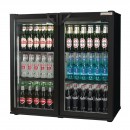
 Bottle Coolers & Beer Fridges
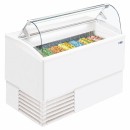 Ice Cream Displays
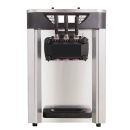 Ice Cream Machines
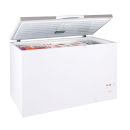 Chest Freezers
 Commercial Freezers
 Commercial Fridges
 Ice Cube Makers and Flakers
 Wine Coolers
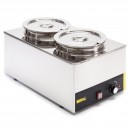 Bain Maries
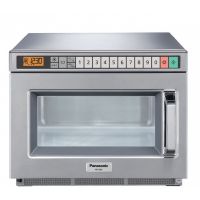 Commercial Microwaves
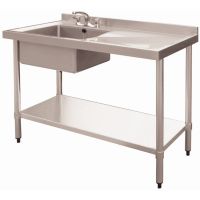 Commercial Sinks
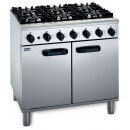 Commercial Ovens
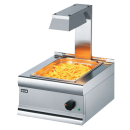 Fryers and Chip Scuttles
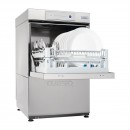 Glass and Dishwashers
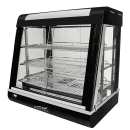 Pie Warmers & Hot Food Displays
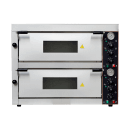 Pizza Ovens
 Water Boilers
 Bar Supplies
 Bowls & Display Baskets
 Cash Registers
 Chafing Dish Sets & Fuel
 Menus & Boards
 Table Numbers & Stands
 Salt, Pepper & Spice Mills
 Crockery
 Cutlery
 Glassware
 Wine Glasses
 Bins
Bins Cleaning Chemicals
 GreasePak
 Janitorial Equipment
 Laundry Equipment
 Coffee Machines
 Juice Dispensers
 Juicers
 Drink Blenders
 Milkshake Blenders
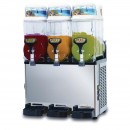 Slush Machines
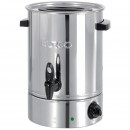 Water Boilers
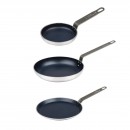 Cookware
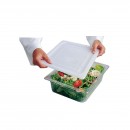 Gastronorm Containers
 Ingredient Bins
 Pastry & Baking
 Utensils
 Pizza Pans & Equipment
 Food Storage
 Food Transport & Delivery Bags
 Folding Furniture
 Garden and Outdoor Furniture
 High Chairs
 Chairs
 Tables
Gas Barbecues
Commercial Gas Barbecues are the backbone of outdoor catering operations across the UK, from bustling restaurant terraces to mobile catering vans. These professional-grade BBQs pack serious punch with powerful burners typically ranging from 12kW to 30kW, ensuring consistent cooking for high-volume service. Built with robust stainless steel construction, they're designed to withstand the rigours of commercial use in all weather conditions. After 50 years in the business, we've seen how commercial gas grills pair perfectly with griddles and hot holding equipment to create complete outdoor cooking stations. For restaurants and caterers serious about delivering flame-grilled perfection, these workhorses are absolutely essential!
Shop By
-
£172.99 £360.00
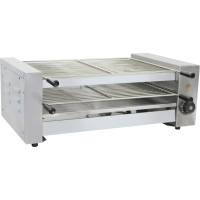
Electric Barbecue Grill | Commercial BBQ | Indoor Grilling | Modena BQ60
10 KG225H x 600W x 350D mm
13 amp plug fitted
total depth with handles: 425 mm
Stainless Steel
Commercial Gas Barbecues for Restaurants & Outdoor Catering
Explore More About Gas Barbecues
Get expert guidance, see real chef stories, and find answers to your most common questions.
Brands Trusted by Industry Professionals
Key Features and Benefits
- Multiple Heat Zones Independent burner controls for perfect cooking flexibility.
- Robust Cooking Grates Heavy-duty stainless steel withstands intensive commercial use.
- Weather-Resistant Design Built tough for year-round outdoor service.
- Rapid Heat Recovery Maintains temperature during busy service periods.
- Even Heat Distribution Consistent results across the entire cooking surface.
- Flavour-Enhancing System Lava rocks or flavour bars for authentic BBQ taste.
- Easy-Clean Drip Trays Collects grease for quick disposal and maintenance.
- Durable Construction Commercial-grade materials ensure years of reliable service.
Too busy to read? Listen instead.
In this episode of The Deep Dive, we grill through commercial gas BBQs—from high-BTU burners and cast-iron grates to combo grill–griddle stations and safety tips—showing how to boost speed, versatility, and reliability in alfresco catering.
11.19min | Expert-led | Real-world advice
0:00: OK, let's unpack this.
0:01: Today, we're doing a deep dive into the world of commercial barbecues.
0:06: We've got a source right here that gives us a really comprehensive look at these professional grade machines.
0:12: That's right.
0:13: It breaks down pretty much everything you need to know.
0:16: Like how they're constructed, specific types, and crucially, you know, why businesses actually rely on them so heavily.
0:23: Yeah, we're talking restaurants, hotels, pubs, mobile caterers, places that need to cook serious volume day in, day out, and consistently deliver that unmistakable flame grilled flavor.
0:35: It's just a different ballgame from your backyard grill, isn't it?
0:38: Absolutely.
0:39: So our mission in this new dive is pretty simple.
0:41: Just pull out the most important nuggets of knowledge from this material, so you can quickly grasp what makes these things different, understand their significance for a business, and get a handle on using them effectively and safely.
0:52: OK, so diving right in then, what are commercial BBQs at their core and what immediately sets them apart from, say, the grill you might have at home?
1:00: Well, think of them as like, robust workhorses.
1:04: They're specifically built for really demanding outdoor food operations.
1:09: Their main job, handling high volume cooking with ease, while consistently delivering that signature flame grilled taste customers are after.
1:18: Right.
1:18: And this is where it gets really interesting comparing them to the domestic units.
1:21: Our source highlights some pretty, significant differences.
1:25: Oh, absolutely.
1:26: Construction is a major one.
1:27: You know, where your home grill might use thinner materials, these commercial units have heavy duty build quality, often using stainless steel, regular steel, or even that high grade 1810 stainless steel.
1:39: It's not just for lugs.
1:40: It's about durability, handling intense heat, constant use.
1:44: Plus they just pack a lot more punch, right?
1:45: Powerful burner systems, precise temperature control.
1:48: Exactly.
1:49: They're designed for consistency but at scale.
1:52: And that's speed factor.
1:53: Cooking up to 40% faster, to 40% faster than domestic models.
1:57: That speed is absolutely critical when service gets busy.
2:00: And what also stood out was their longevity, typically lasting what, 7 to 10 years with proper care, which kind of implies a much shorter lifespan for the average home grill.
2:09: 7 to 10 years.
2:11: That's a serious return on investment for a business, and the heat capability is, well, it's on another level too, isn't it?
2:17: It really is.
2:18: You know, your typical domestic grill might top out around 400 °C, maybe.
2:22: These professional units, they commonly operate in the 150 to 400 range, but the high-end models can push all the way up to 450 degrees C.
2:31: Wow.
2:31: That extra heat really does unlock different cooking possibilities.
2:35: So, OK, how do these heavy duty machines actually translate those construction differences and, the power into actual cooking performance?
2:43: How do they work?
2:44: Well, the core principle is wonderfully straightforward, actually.
2:47: You get.
2:47: a heat source, could be gas burners, could be charcoal sitting beneath cooking grates, generating those high temperatures needed for grilling.
2:54: Simple as that, really.
2:55: But they refine that basic idea, right?
2:57: Like the gas models use these powerful precise burners.
3:01: Yeah, controlled by valves, which lets chefs create specific heat zones across the grill surface.
3:05: That seems brilliant for efficiency, cooking different things at different temps at the same time.
3:10: It's incredibly useful and of course, for that truly authentic flavor, charcoal models are still an option.
3:15: Plus, many professional units also incorporate things like heat deflectors, or lava rocks.
3:21: These catch the drippings, they vaporize them, and that creates that really sought after smoky flavor profile.
3:28: OK, that makes sense.
3:30: And the features mentioned in our source, they really lean into that efficiency and consistency you need commercially, like, rapid heating.
3:38: Getting up to temperature in just 5 to 10 minutes.
3:41: Yeah, that quick heat up is crucial.
3:42: No waiting around in a busy kitchen, and the precise temperature control we mentioned, anywhere from 150 up to 400 degrees C or even higher, that just means consistent predictable results every single time.
3:53: And we saw details about the durable construction that commercial grade stainless steel.
3:57: Built tough for the heat and you know, outdoor conditions.
4:00: Some specific models even mentioned porcelain enameled grills or a non-stick coated thick cooking plate for easier handling.
4:08: Right?
4:09: And they're really designed for versatility too, handling everything from burgers to delicate seafood, vegetables, with even heat distribution that eliminates those frustrating hotspots you get on cheaper grills.
4:22: And those multiple heat zones you mentioned are key for efficiency.
4:25: Absolutely.
4:26: And the advanced grease management systems.
4:29: They're built in to reduce flare-ups, make cleaning simpler, that's a big one.
4:34: They all contributes to that high output, the ability to Potentially serve hundreds of portions per hour.
4:39: So if you're a business owner listening and you're thinking about maybe adding one of these, what are the essential things you need to consider before buying?
4:47: Well, the material we looked at highlighted a few key areas.
4:50: First off, size and capacity are just paramount.
4:53: You've really got to match the cooking area to your expected volume, you know, makes sense.
4:57: For smaller operations, maybe something 600 to 900 millimeters wide is OK.
5:02: But large venues needing serious throughput.
5:04: You might be looking at 1200 millimeters or even more.
5:07: Right, you definitely don't want to bottleneck your service with a grill that's too small.
5:11: And positioning is another practical point, isn't it?
5:14: Like, Do you need a countertop unit, or do you have space for a freestanding model?
5:20: Exactly.
5:21: Then there's the fuel type to consider.
5:23: Gas gives you that instant heat, easy control, and it pairs well if you happen to have outdoor refrigeration nearby, for example, charcoal, well, it delivers that really authentic flavor, but you absolutely need proper ventilation planning.
5:36: It's critical.
5:38: And some models use LPG, right, like a buffalo unit mentioned.
5:41: Yeah, LPG is an option for specific models, and you definitely need to factor in the ongoing fuel costs.
5:47: That's a The source notes that gas consumption is typically around, say, 1 to 2 kg per hour at full power.
5:54: But that's obviously going to vary a lot based on the specific unit and how intensely you're actually using it.
5:59: What's really fascinating here, I think, is the impact these BBQs can have on a business.
6:03: It goes way beyond just providing a cooking surface.
6:06: It seems like they can be a real strategic asset.
6:08: Oh, they absolutely are.
6:09: The benefits aren't just functional, they directly affect the bottom line, the customer experience.
6:14: I mean, they create that distinctive smoky flavor that customers genuinely love and will come back for.
6:20: Which means you can add premium menu items often with higher margins, right?
6:24: Directly increasing profitability.
6:26: Precisely.
6:26: And then there's the sort of theater of it all.
6:29: Yeah.
6:29: An outdoor BBQ station, it creates this engaging open cooking experience that really elevates the dining atmosphere, especially in the warmer months, obviously.
6:39: And the numbers seem to back this up.
6:40: The material points out that outdoor BBQ stations can potentially boost summer.
6:45: Avenues by up to 30%.
6:47: Yeah, 30%.
6:48: That's a significant lift for any business.
6:50: It really is.
6:51: And there's that great real world example.
6:53: They shared a gastropub in the Cotswolds.
6:55: Remember that?
6:56: Yes.
6:56: Tell us about that again.
6:57: Well, they invested in the six burner gas BBQ and some outdoor refrigeration.
7:02: And what happened?
7:03: They apparently doubled their outdoor covers, were serving over 200 BDQ dishes daily on sunny weekends.
7:09: Wow.
7:10: So an 8-week return on that initial investment.
7:12: 8 weeks.
7:13: That's incredibly fast.
7:14: Incredible.
7:15: And they ended up adding a second unit just to keep up with the demand.
7:18: That story really brings the potential to life, doesn't it?
7:22: The material also gave us a pretty clear look at the pros and cons.
7:25: It did.
7:26: The main pros are pretty clear, that exceptional flavor profile.
7:29: High volume output capacity, and the ability to really diversify your menu significantly.
7:35: And the cons.
7:36: Well, weather dependence is an obvious one for outdoor cooking, for sure.
7:40: And they definitely require proper ventilation and Careful space planning.
7:45: You can't just stick them anywhere, which raises a really important question.
7:49: Once you have one of these powerful units, how do you make sure you're operating it safely and effectively?
7:55: Yeah, safety is absolutely critical here.
7:57: We saw some essential guidelines laid out.
8:00: Proper ventilation is just not.
8:01: Negotiable.
8:02: You always have to use these in well-ventilated areas to avoid dangerous gas buildup.
8:07: Carbon monoxide is no joke.
8:08: Absolutely.
8:09: And fire safety too.
8:10: Keep extinguishers easily accessible, right, for managing flare-ups.
8:14: Definitely.
8:14: And you need to maintain safe clearances, typically a minimum of 1 m from many combustible materials, walls, fences, overhangs.
8:24: Prevent fire hazards.
8:25: Regular checks are also a must, aren't they?
8:28: Checking gas lines monthly to prevent dangerous leaks seems crucial, very crucial, and consistent cleaning, removing that grease buildup daily is vital, not just for hygiene, but to reduce the risk of grease fires.
8:39: Yeah, you hear about those.
8:40: And of course, proper shutdown procedures.
8:43: Always turn off the main gas supply at the source after use.
8:46: Don't just rely on the knobs.
8:48: It's also noted that for some models like that specific buffalo unit mentioned again, the assembly, connection and initial operation, it should really be handled by someone competent and qualified, not a job for just anyone, right, good point.
9:01: And beyond the core safety stuff, there were also some great operational tips for getting the best results from the BBQ itself.
9:07: Yeah, useful stuff like always preheating the drill for at least 15 minutes.
9:12: This ensures you get even cooking and gives you that really great sear on the food and cleanliness during service.
9:18: Clean the grates after each service using a stiff grill brush.
9:21: Keep on top of it.
9:22: Yes, definitely, and empty those grease traps daily.
9:26: Again, that's not just for cleanliness, it's a major fire prevention measure.
9:30: Don't let it build up.
9:31: Creating different cooking zones with different heat levels, that sounds like a smart strategy for flexibility too.
9:36: Very smart, lets you manage different foods effectively, and keep a digital thermometer handy for checking internal food temperatures precisely, takes the guesswork out.
9:44: Good advice.
9:45: And finally, the advice to invest in quality BBQ tools and scrapers.
9:51: Seems simple, but yeah, well, good tools make cleaning easier.
9:55: They help extend the life of your cooking surfaces and just improve your overall efficiency during those busy periods, worth the small investment.
10:03: So, if we kind of connect all this back to the bigger picture, what we've really explored shows that commercial barbecues are much more than just bigger grills, aren't they?
10:11: They're potentially transformative strategic assets for businesses looking to boost revenue, enhance their menu, create a better customer experience.
10:20: Absolutely, but, and it's a big but, They absolutely demand specific attention to safety, maintenance, and proper operation.
10:27: Things that are quite distinct from their domestic counterparts.
10:30: Yeah, definitely a different level of responsibility.
10:33: So we've covered what sets them apart, you know, how they function, the key features that enable that high performance, the tangible business benefits they can bring with real examples, and those absolutely essential safety and usage practices.
10:47: All drawing from the insights within the source material we dove into today.
10:51: OK, so here's a final thought for you, our listener, to maybe consider.
10:55: Given that significant emphasis we saw on boosting summer revenue and achieving that rapid ROI, how might businesses leveraging These systems effectively mitigate the inherent challenge of weather dependence, you know, to ensure a more consistent year-round business model, or perhaps explore alternative strategies that don't solely rely on sunny days, but still build on that core BBQ capability, something to mull over.

Essential Buying Considerations
Capacity and Size
- Consider cooking area—600-900mm width suits most restaurants.
- Multiple cooking zones required for varied menu items.
- Check adjustable grate heights for cooking versatility.
Power Source and Usage
- Propane tanks offer mobility—perfect with mobile kitchen equipment.
- Natural gas requires fixed installation but reduces running costs.
- Calculate BTU/kW requirements for your service volume.
How Commercial Gas Barbecues Work
Commercial gas barbecues operate on a brilliantly simple yet effective system. High-pressure propane or natural gas flows through burners beneath cooking grates, creating controlled, intense heat. Most professional models feature multiple independently controlled burners allowing different temperature zones (120°C-350°C) across the cooking surface. The stainless steel cooking grates absorb and radiate heat evenly while fat drips down to flavour rocks or drip trays below. These rocks vaporise the drippings, creating that distinctive smoky BBQ flavour we all crave, while the drip system catches excess grease for easy cleaning—perfect for non-stop service!

Trusted Insights from Oliver Bennett

Commercial Catering Equipment Specialist
12+ years experience
"When it comes to commercial gas barbecues, you want power, precision, and reliability—especially during peak service. Go for models with even heat distribution and easy-clean features to keep your outdoor setup sizzling without the stress."
Safety Guidelines
- Regular Inspection Check gas connections weekly—prevents dangerous leaks.
- Secure Positioning Place on level, non-combustible surfaces—stops tipping.
- Proper Ventilation Ensure adequate airflow—reduces carbon monoxide risk.
- Use Long Tools Protect staff with proper BBQ implements—prevents burns.
- Secure Shutdown Turn off gas supply after use—critical safety procedure.
- Gas Certification Maintain valid Gas Safe certification—legal requirement.
Top Tips for Using Commercial Gas Barbecues
To maximise your gas barbecue's performance, always preheat for 15-20 minutes before service to ensure even cooking temperatures across grates. Clean your grates after each service with a quality grill brush while still warm—making maintenance far easier. Use different heat zones strategically: high heat for searing, medium for cooking through, and low for keeping items warm. Regularly check gas connections and pressure regulators, and keep spare gas tanks on hand during busy periods to avoid mid-service disruptions.
Benefits of Using Commercial Gas Barbecues
- Authentic Flavour Creates genuine flame-grilled taste—customers love it.
- Service Efficiency Handles large orders smoothly—perfect for busy periods.
- Menu Expansion Adds profitable BBQ dishes—boosts revenue streams.
Did You Know?
- Heat Efficiency Professional gas BBQs reach cooking temperature in just 10-15 minutes.
- Longevity Quality commercial units last 7-10 years with proper maintenance.
- Temperature Range Modern units maintain precise heat from 120°C to 350°C.
- Return on Investment Outdoor BBQ menus can increase summer revenue by 25%.



Expert Insights on Commercial Gas Barbecues
After kitting out hundreds of outdoor kitchens over five decades, we've learned what makes a top-notch BBQ. 'Look for burners with at least 12kW total power for commercial settings,' advises Mark, our BBQ specialist. 'The difference between domestic and commercial units is night and day—invest in professional equipment if you're serious about outdoor service.'
- Pros: Unmatched cooking control, robust build, impressive capacity.
- Cons: Higher initial investment, requires proper ventilation planning.
Who Needs Commercial Gas Barbecues?
- Restaurants with Outdoor Space Perfect for garden terraces—attracts summer crowds.
- Hotels Ideal for outdoor events and BBQ nights—guest pleasers.
- Caterers Essential for outdoor events and weddings—versatile cooking.
- Food Trucks Compact models fit limited space—expands menu options.
Real-World Success with Commercial Gas Barbecues
A seaside restaurant in Brighton transformed their summer service with our commercial gas barbecue. Previously limited to indoor kitchen output, they expanded with an outdoor cooking station featuring a professional gas BBQ alongside prep tables and hot holding equipment. 'We've doubled our summer covers,' the owner explained. 'The BBQ has become our signature attraction—customers specifically book to experience our flame-grilled seafood menu, and we've seen a 40% revenue increase during the outdoor season!'

FAQs
- What's the difference between commercial and domestic gas BBQs? Commercial units offer higher heat output, multiple cooking zones, and are built for continuous operation.
- Can I use natural gas or propane with commercial BBQs? Most professional models can be configured for either—specify which when ordering.
- How much cooking capacity do I need for a busy restaurant? For 50+ covers, look for at least 800mm width with multiple burners.
- Do I need professional installation? Yes, Gas Safe registered engineers must install fixed natural gas units—it's a legal requirement.
- How often should commercial BBQs be serviced? Professional inspection every 12 months—ensures safe, efficient operation.
- Can commercial gas BBQs be used in winter? Yes, quality units perform well year-round, though you might need windbreaks in exposed areas.
Looking for Equipment by Business Type?
Not sure where to start? Whether you're running a bustling café, opening a pizzeria, or managing a school canteen, we've made it easy to shop by business type. Explore handpicked equipment bundles and essentials tailored to your industry—saving you time and making sure you get exactly what you need.
Other Categories You Might Find Useful
We’ve selected some closely related categories that might be essential for your setup. Whether you’re expanding your kitchen or just making sure you’ve got everything covered, these links will help you explore more equipment that fits your needs.
Commercial Gas Combination Ovens for Restaurants & Catering Commercial Gas Lighters for Professional Kitchens & Catering Commercial Gastronorm Container Kits for Restaurants & Catering Commercial Gastronorm Containers for Professional Kitchens Commercial Barbecue Accessories for Restaurants & Outdoor Catering Commercial Charcoal BBQs for Restaurants & Outdoor Catering Commercial Chargrills for Restaurants & Catering Businesses Commercial Grill Cleaners for Restaurants & Kitchens
What our Customers Say
'Our commercial gas barbecue has revolutionised our summer service—absolute game-changer!'
J James Gastropub Owner, Cornwall'Brilliant build quality and performance—handles our busiest weekend rushes with ease.'
L Laura Event Catering Manager, Glasgow
Why Choose EasyEquipment for Commercial Gas Barbecues?
- Trusted Supplier 50 years supplying professional kitchens—we know our BBQs.
- Fast Delivery UK-wide service—get cooking without delay.
- Best Price Promise Competitive rates for professional equipment—value guaranteed.
- Expert Support Technical advice and after-sales care—we're here to help.
Ready to Explore Commercial Gas Barbecues?
Browse our complete range of professional gas barbecues with expert guidance every step of the way. From compact units for food trucks to extensive systems for large hotels—find your perfect outdoor cooking solution today!