
 Bottle Coolers & Beer Fridges
 Ice Cream Displays
 Ice Cream Machines
 Chest Freezers
 Commercial Freezers
 Commercial Fridges
 Ice Cube Makers and Flakers
 Wine Coolers
 Bain Maries
 Commercial Microwaves
 Commercial Sinks
 Commercial Ovens
 Fryers and Chip Scuttles
 Glass and Dishwashers
 Pie Warmers & Hot Food Displays
 Pizza Ovens
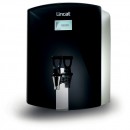 Water Boilers
 Bar Supplies
 Bowls & Display Baskets
 Cash Registers
 Chafing Dish Sets & Fuel
 Menus & Boards
 Table Numbers & Stands
 Salt, Pepper & Spice Mills
 Crockery
 Cutlery
 Glassware
 Wine Glasses
 Bins
Bins Cleaning Chemicals
 GreasePak
 Janitorial Equipment
 Laundry Equipment
 Coffee Machines
 Juice Dispensers
 Juicers
 Drink Blenders
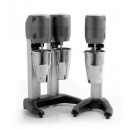 Milkshake Blenders
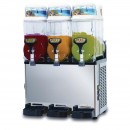 Slush Machines
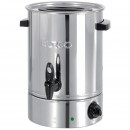 Water Boilers
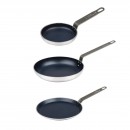 Cookware
 Gastronorm Containers
 Ingredient Bins
 Pastry & Baking
 Utensils
 Pizza Pans & Equipment
 Food Storage
 Food Transport & Delivery Bags
 Folding Furniture
 Garden and Outdoor Furniture
 High Chairs
 Chairs
 Tables
Commercial Fryers & Chip Scuttles
Commercial fryers and chip scuttles are the workhorses of any proper UK restaurant, fish & chip shop, or takeaway worth its salt (and vinegar!). With powerful heating elements ranging from 3kW to 14kW, these robust units deliver consistently crisp results hour after hour. After 50 years of supplying Britain's busiest kitchens, we've seen how these fryers become the beating heart of food operations—whether you're serving up golden chips, crispy chicken, or perfect battered fish. They pair brilliantly with commercial griddles and range cookers for a complete hot food setup, giving you everything needed to keep hungry customers coming back for more!
Shop By
-
 £1,370.72 £2,056.08
Commercial Gas Fryer | Twin Basket Fryer | Single Tank Freestanding | Buffalo DC319-N
47kg940H x 400W x 730D mm
Natural Gas
Open tank design with cool zone
Stainless Steel
Commercial Fryers & Chip Scuttles for Restaurants & Takeaways
Explore More About Commercial Fryers & Chip Scuttles
Get expert guidance, see real chef stories, and find answers to your most common questions.
Brands Trusted by Industry Professionals
Key Features and Benefits
- Precise Temperature Control Dial in exact temps from 130-190°C—consistent results every time.
- Rapid Recovery Powerful 3-14kW elements—maintains heat when fully loaded.
- Multiple Basket Options Single or double basket setups—perfect for separating foods.
- Safety Features Overheat protection and cool-zone technology—prevents burning.
- Oil Filtration Systems Extends oil life—saves money and maintains taste.
- Commercial Grade Build Robust stainless steel construction—withstands busy kitchens.
- Heat Lamps Keeps chips warm and crispy—maintains quality during service.
- Easy Cleaning Removable elements and baskets—simplifies end-of-day maintenance.
Too busy to read? Listen instead.
In this episode of The Deep Dive, we unpack the essentials of fryers and chip scuttles. Learn the differences between gas and electric models, how to keep chips crispy for longer, and what to consider when choosing equipment for high-volume frying.
13.56min | Expert-led | Real-world advice
0:00: Welcome to the deep dive.
0:02: Ever think about what goes on behind the scenes at your favorite chippy or restaurant kitchen?
0:08: Today, we're taking a closer look at commercial fryers and those essential chip scuttles, you know, the warming units.
0:15: We're drawing on info from E equipment.
0:17: They're a UK supplier with, well, 50 years in the business, so they know their stuff.
0:22: We've gone through their materials to pull out the really important bits about these.
0:27: These kitchen workhorses, our mission to get past the obvious, find some surprising details, and really understand why these machines are, frankly, critical for getting that perfect crispy food we all love.
0:39: Exactly.
0:39: It's all about understanding how they achieve that consistency, that perfect hunch, every single time.
0:44: Commercial fryers, and yeah, the chip scuttles too, they're not just appliances, they're often called the the beating heart of places like fish and chip shops or busy takeaways here in the UK.
0:53: They're absolutely essential for getting consistently crisp results, whether you're talking chips, chicken, battered fish, and you often see them paired up with things like commercial griddles or range cookers.
1:03: It's all part of that core hot food setup.
1:05: Right.
1:06: So when I think fryer, I might just picture, you know, a box with hot oil.
1:10: But it sounds like there's a huge variety.
1:13: Easy equipment really lays out this whole range.
1:16: We're talking countertop models, both electric and gas.
1:19: Yeah, exactly.
1:20: Those are great for smaller spots, but then you have the big freestanding units, again, electric or gas options available.
1:26: These are the real powerhouses, and it doesn't stop there.
1:28: It gets quite specialized.
1:30: Oh yeah, like what?
1:31: Well, you've got fryers with built-in filtration systems, which is a big deal for oil life.
1:36: Then there are twin tank models really useful for cooking.
1:40: Different foods at once without flavors crossing over and even really niche things like specific donut fryers or chicken pressure fryers for particular results pressure fryers for chicken, interesting.
1:52: So it really shows how tailored this equipment can be.
1:55: Absolutely.
1:55: It's engineered for specific needs.
1:57: You might have, say, a small cafe needing just a little 3 klebu countertop electric fryer, maybe holds what 3 L of oil for some sides, maybe.
2:06: Right.
2:07: Then you contrast that with a busy fish and chip shop needing a massive freestanding fryer, maybe pushing 14 kilowatter, holding 18 L of oil, maybe even more in each tank if it's a twin just to keep up.
2:19: Can you give us some examples like specific models they mentioned?
2:21: Sure.
2:22: They talk about the Modena MEF 82, that's a twin tank electric, holds about 5.5 to 7 L of Oil per tank, pretty popular.
2:30: Or for simpler setups, the Ketterli CD 274 single tank countertop, electric, 8 L, 3 kilowatters, or even smaller, the Buffalo CU 616, that's 5 L, 2.8 kilowers.
2:41: Then stepping up, there's the Perry NPSF 9, a freestanding electric 9 L.
2:46: And for heavy duty gas, something like the Blue Seal GTE.
2:48: 18, that's an 18 L beast comes in natural gas or propane versions.
2:52: Wow, OK, so that covers the frying part.
2:55: But you mentioned the chip scuttle earlier.
2:56: What's the story there?
2:57: Why is it the perfect partner?
2:59: yes, the chip scuttle, crucial bit of kit.
3:01: Its whole job is basically to keep those perfectly fried chips warm and importantly crispy after they come out of the fryer, right?
3:07: Stops them going soggy.
3:09: Exactly that.
3:10: They use gentle heat usually.
3:12: It could be heat lamps from above or maybe warming elements underneath.
3:15: The idea is to hold the temperature without cooking them more or letting steam build up and ruin the texture.
3:21: And I suppose there's a range of sizes for those too.
3:23: Oh yeah, definitely tailored to volume.
3:25: You might see a small Linca LCS countertop warmer in a cafe, holds about 2.5 kg of chips, or maybe a Perry 1925.
3:35: That one often has a heat lamp and a draining plate, holds around 3 kg.
3:39: For busier places, maybe a LinkAt CS6 Silver Link 600, that gets you up to 5 kg capacity.
3:46: And some are cleverly designed like the Archway CS1E, which even has a storage cupboard underneath, always handy in a tight kitchen.
3:52: OK, makes sense.
3:53: So we've got the basics.
3:54: If someone's actually looking to buy this kit, what are the key features and easy equipment highlights?
3:59: What should you really look for?
4:01: Right?
4:01: Well, they focus on things that really matter day to day in a kitchen.
4:04: Precise temperature control is a big one, usually looking at a range like 100 to 190 °C.
4:09: That's key for consistency, getting it just right for different foods.
4:12: Exactly.
4:13: Then there's rapid recovery time.
4:15: This is huge.
4:16: Powerful heating elements mean when you drop cold food in, the oil temperature bounces back quickly.
4:22: You don't lose time or quality.
4:24: so you can keep the throughput going during busy rushes.
4:27: Precisely.
4:28: Multiple basket options are also really practical.
4:30: Let's you cook different things separately, avoid flavor transfer, manage timings.
4:35: Safety features are obviously critical.
4:37: Things like overheat protection are standard now, and they mention cool zone technology.
4:42: Cool zone, what's that?
4:43: It's a smart design.
4:44: Usually the heating elements are raised a bit off the bottom of the tank, so any bits of food or batter fall below the main heat source into a cooler zone.
4:52: They don't burn as easily, which keeps the oil cleaner and tasting better for longer.
4:56: Clever.
4:57: OK, what else?
4:58: Optional oil filtration systems.
5:01: These can be built in or separate units.
5:03: Big plus for extending oil life, saves money in the long run, and of course, durability.
5:08: You're looking at stainless steel construction usually, built to withstand a tough commercial kitchen environment.
5:14: For the chip scuttles, those heat lamps are the key feature for maintaining that warmth and crispness.
5:20: And finally, ease of cleaning.
5:22: Removableable elements, baskets, smooth surfaces all make that essential daily cleanup much less of a chore.
5:29: That all sounds pretty crucial.
5:31: So, when you're actually making the decision, what are the absolute non-negotiables to consider before buying?
5:36: Capacity seems like the obvious starting point.
5:38: Oh, absolutely, number one, you've got to match it to your expected output.
5:42: Like we said, a small cafe might be fine with 5 L, but a busy restaurant or chippy, you're likely looking at 814 L, maybe more.
5:49: Twin baskets become really useful then too for variety and speed and power source, gas versus electric.
5:55: Yeah, that's a big one.
5:56: Electric fryers, maybe 3 kilowatts, up to 9 kilowatters.
6:00: More, they're often simpler to install if you have the wiring, good precise temperature control.
6:06: Gas fryers, though, they generally heat up faster and recover temperature quicker after you load them.
6:11: That can be a real advantage if you're doing massive volumes continuously.
6:15: But you need the gas supply, obviously, so you have to look at your kitchen's infrastructure, what power have you got available.
6:21: And like we keep saying, don't forget about pairing it with Right chip scuttle, it's pointless having a great fryer if the chips die before they reach the customer.
6:29: OK, let's simplify things a bit.
6:30: For someone not deep in the industry, how do these things actually work?
6:34: What's the science bit behind getting that crispiness?
6:36: Well, at its heart, it's about heat transfer.
6:39: The fryer uses powerful heating elements, either immersed electric ones or gas-heated tubes, to get the oil up to cooking temperature fast.
6:47: That high consistent temperature does two things.
6:50: It cooks the food through and it rapidly boils the moisture on the surface of the food.
6:55: That rapid boiling creates steam that pushes outwards, preventing oil from soaking in too much, and creates that lovely crispy layer.
7:02: , OK, so high heat seals the outside quickly.
7:05: Essentially, yes.
7:06: Then the chip scuttle takes over with just enough gentle heat to keep it warm without overcooking or making it sweat and go soft.
7:12: It's a two-stage thermal process, really.
7:15: Easy equipment brings in some expert voices too.
7:17: There's a Liam Hudson, a fish and chips equipment specialist.
7:21: Talking about even heating, right?
7:22: Liam emphasizes that even heat in the fryer is vital.
7:25: No hot spots, no cold spots, you want uniform cooking.
7:28: And for the scuttle, he stresses consistent heat that doesn't dry the chips out.
7:32: It's a fine balance.
7:33: And then there's Dave, another specialist from Easy Equipment who calls rapid recovery times and filtration game changers.
7:40: Why those specifically?
7:41: Well, Dave's spot on.
7:42: Rapid recovery, as we touched on, means less waiting between batches during peak times.
7:47: It directly impacts how many customers you can serve and maintains quality, and filtration.
7:52: That's huge for running costs and quality.
7:55: Clean oil cooks better, tastes better, and lasts longer.
7:59: If you can filter efficiently, you're saving significant money on new oil and keeping your food tasting great.
8:04: They really are game changers for busy shops.
8:06: Makes perfect sense.
8:07: Now, dealing with that's a very hot oil.
8:10: Safety must be a massive consideration.
8:12: What are the key guidelines Equipment points out?
8:15: Oh, absolutely paramount.
8:16: Top of the list.
8:17: Always monitor the oil temperature.
8:19: Thermostats help, but vigilance is key to prevent overheating and potential fires.
8:24: Never ever add water to hot oil.
8:26: That causes a violent eruption, extremely dangerous.
8:29: Yeah, I think we've all seen warnings about that.
8:31: Definitely.
8:31: Keep the oil level correct between the men and max lines.
8:34: Too low can be a fire risk, too high can lead to overflows.
8:38: Regular cleaning is also a safety point removes carbon buildup which can affect taste and potentially be a fire hazard, and have the right fire extinguisher nearby, specifically a Class F extinguisher designed for cooking oil fires, that's essential.
8:51: And the basic rule, always switch off and unplug the fryer completely before you even think about cleaning it.
8:56: Avoids burns and shocks.
8:58: Got it.
8:59: So assuming you've bought the right kit and you know the safety rules, what about getting the best results day to day?
9:05: Any top tips for using them optimally?
9:07: Yes, some really practical advice there.
9:08: Always preheat properly.
9:10: Don't just chuck food into lukewarm oil.
9:12: Get it to the right temperature.
9:13: first for that instant crisping effect.
9:15: Oil management is key.
9:17: Filter it daily, especially in busy places, and change it regularly, maybe every 3 to 5 days in high volume settings, depending on use.
9:25: Daily filtering well.
9:26: It makes a huge difference.
9:28: Also, don't overload the baskets.
9:29: Tempting during a rush, but it crashes the oil temperature and leads to greasy, soggy food.
9:35: Cook in appropriate batches.
9:37: With the chip scuttle, aim not to hold chips for more than, say, 20 minutes.
9:41: Fresher is always better and keep those heat lamps clean.
9:44: Dust or grease buildup reduces their effectiveness.
9:47: So, looking at the big picture, investing in good commercial fryers and scuttles.
9:52: What are the main payoffs for a business?
9:55: Several big ones.
9:56: They can genuinely boost profits because faster cooking times mean higher turnover, especially during peak service.
10:01: The consistent quality they deliver builds customer loyalty.
10:04: Happy customers come back, and surprisingly, perhaps, modern units are often more energy efficient than older models.
10:10: Easy equipment suggests potential savings of maybe 15-20% on energy compared to older kit that adds up.
10:16: That's interesting about the energy savings.
10:17: Easy equipment also had a fun Did you know section.
10:20: Any standout facts there?
10:22: Yeah, a few neat ones.
10:23: Commercial fryers can cook around 4 times faster than the fryer you might have at home.
10:28: And that recovery time difference is stark.
10:30: Pro models get back to temperature in about 30 seconds versus minutes for domestic ones.
10:35: We mentioned filtration extending oil life, they reckon by up to 50%, which is huge.
10:40: And a bit of history.
10:41: Fish and chips really took off as a popular meal in the UK way back in the 1860s.
10:46: So this equipment has a long legacy.
10:49: 1860s, wow.
10:50: They also quickly summarize the pros and cons.
10:52: The pros seem clear, consistency, speed, durability, what about the cons?
10:57: The main drawbacks highlighted are really about the commitment required.
11:00: They need regular proper maintenance to keep running well and safely, and you absolutely need good ventilation.
11:06: Fryers produce a lot of heat, steam, and fumes.
11:08: So effective extraction is non-negotiable for safety and comfort in the kitchen.
11:12: Right, so not just plug and play.
11:14: Who exactly needs this level of kit?
11:16: Is it just chippies?
11:17: Oh no, much broader than that.
11:19: Obviously, fish and chip shops are prime users, but think about restaurants sides like fries, onion rings, calamari, tempura.
11:27: Lots rely on fryers.
11:29: Fast food outlets, absolutely, chicken shops, burger joints, and pubs and bars too, increasingly.
11:34: A good fryer setup allows them to offer a much wider and more appealing food menu.
11:39: It's always good to hear how this works in practice.
11:41: They shared a success story from a place in Blackpool.
11:44: Yeah, great example.
11:45: It was a traditional chippy using older equipment.
11:48: They upgraded to a modern 14 L twin basket fryer and a matching chip scuttle.
11:53: The results.
11:54: They reported much faster cooking, significantly improved consistency, which customers noticed, and they could handle busy periods much better.
12:02: Plus, they actually saw their oil consumption drop by about 20%.
12:05: So happier customers and lower running costs, it really shows the impact of the right investment.
12:09: That's a concrete benefit right there.
12:11: OK, lastly, they covered some FAQs.
12:13: Any key takeaways from common questions people ask?
12:15: Yeah, some useful clarifications.
12:18: Best oil.
12:19: They generally recommend vegetable or rapeseed oil because they have high smoke points and are cost effective.
12:24: How often to change oil?
12:26: Filtered daily if busy, change completely every 3 to 5 days, but judge based on usage and oil quality.
12:33: Using separate oil for different foods.
12:35: Yes, definitely recommended, especially for fish, as those flavors can really transfer.
12:39: Good tip.
12:39: What about cleaning the scuttle?
12:41: Daily wipe down while it's warm is best.
12:43: Then a weekly deep clean taking out removable parts, gas versus electric again.
12:48: Quick summary.
12:49: Gass usually means faster recovery for high volume.
12:52: Electric often gives more precise temperature control, depends on your priority.
12:56: And a final reminder to always check the power requirements 3 kilowattia, 9 kilowatts, 14 kilowatt and before buying, make sure your premises can handle it.
13:04: So wrapping this all up, it really seems like commercial fryers and chip scuttles are, well, a lot more sophisticated and vital than maybe we give them credit for it.
13:13: Absolutely.
13:13: They're fundamental pieces of kit for so many food businesses, understanding the options, the features, the maintenance.
13:20: It's all key to delivering that quality fried food people expect safely and efficiently.
13:25: They truly are unsung heroes of the kitchen.
13:28: Agreed.
13:28: And on that perfectly crisp note, here's something to chew on.
13:31: We've seen how much frying tech has advanced and fried food remains incredibly popular.
13:36: So looking ahead, how might innovations change things further?
13:40: Could we see breakthroughs in, say, energy use, or maybe even healthier frying methods becoming commercially viable?
13:47: What might the next generation of fryers look like to deliver that amazing crunch while maybe addressing some of those modern concerns?
13:53: Definitely food for thought.
13:54: Thanks for diving deep with us today.

Essential Buying Considerations
Capacity and Size
- Single 5L units suit cafés with limited menu options.
- 8-14L fryers handle fish & chip shops and busy restaurants.
- Twin-basket models offer flexibility for separate food types.
Power Source and Usage
- Electric models (3-9kW) work with standard power—pairs with griddles.
- Gas options offer faster recovery in high-volume settings.
- Consider complementary chip scuttles to complete your frying station.
How Commercial Fryers & Chip Scuttles Work
Commercial fryers work their magic through powerful heating elements that quickly bring oil to perfect cooking temperatures—typically between 130-190°C. Electric models use immersed heating elements, while gas fryers feature tubes running through the oil. As you drop in food, these consistent temperatures create that perfect crispy outside while cooking the inside properly. Chip scuttles, meanwhile, are the perfect partners—using gentle heat lamps or warming elements to keep your freshly fried chips hot and crispy for serving, preventing them from going soggy before they reach eager customers. It's a brilliant one-two punch for busy service!

Trusted Insights from Liam Hudson

Fish & Chips Equipment Expert
11 years experience
"Want golden, crispy chips every time? Make sure your fryer heats evenly and your chip scuttle keeps them hot without drying them out – consistency is king in the takeaway game!"
Safety Guidelines
- Monitor Temperature Keep oil below smoke point—prevents fires.
- Avoid Water Contact Never add water to hot oil—causes dangerous splatter.
- Manage Oil Levels Follow min/max lines—ensures proper operation.
- Clean Regularly Remove carbon buildup—prevents contamination.
- Keep Extinguisher Nearby Class F for oil fires—safety first.
- Switch Off When Cleaning Prevents accidental burns—always disconnect.
Top Tips for Using Commercial Fryers & Chip Scuttles
For optimal results, always preheat your fryer to the correct temperature before cooking—this prevents soggy food and extends oil life. Change oil regularly (typically every 3-5 days in busy settings) and filter daily using appropriate oil filters. Don't overload baskets as this drops oil temperature dramatically, affecting food quality. For chip scuttles, avoid holding chips longer than 20 minutes to maintain that perfect texture, and clean heat lamps daily to ensure proper warming performance.
Benefits of Using Commercial Fryers & Chip Scuttles
- Profit Booster Fast cooking times—increases order turnover.
- Consistent Quality Perfect results every time—keeps customers returning.
- Energy Efficiency Modern models save 15-20% on power—cuts bills.
Did You Know?
- Speed Commercial fryers cook 4x faster than domestic models.
- Heat Recovery Pro models regain temperature in 30 seconds—domestic takes minutes.
- Oil Life Proper filtration extends oil life by up to 50%.
- History Fish and chips became popular in the UK in the 1860s.



Expert Insights on Commercial Fryers & Chip Scuttles
With five decades in commercial kitchens, we've seen fryers evolve dramatically. 'The right fryer can make or break a chippy,' notes Dave, our equipment specialist. 'Modern models with rapid recovery times and filtration systems are game-changers for busy shops—they keep quality high while reducing running costs.'
- Pros: Consistent results, durable, versatile for multiple menu items.
- Cons: Require regular maintenance and proper ventilation systems.
Who Needs Commercial Fryers & Chip Scuttles?
- Fish & Chip Shops Essential kit for Britain's favourite takeaway.
- Restaurants Perfect for sides, starters and mains—menu versatility.
- Fast Food Outlets High-volume cooking for chicken, chips and more.
- Pubs & Bars Elevates food offerings—keeps punters in longer.
Real-World Success with Commercial Fryers & Chip Scuttles
One of our favourite success stories comes from a traditional chippy in Blackpool that was struggling with outdated equipment. After upgrading to our 14L twin-basket commercial fryer and matching chip scuttle, their entire operation transformed. 'We've cut cooking time by half, and customers rave about the consistency,' the owner told us. They paired it with a proper griddle for their burgers and now serve 40% more customers during the summer rush while using 20% less oil—proper game-changing stuff!

FAQs
- What's the best oil to use in commercial fryers? Vegetable or rapeseed oil with high smoke points—best balance of cost and performance.
- How often should I change oil in a busy fish & chip shop? Filter daily, change every 3-5 days depending on volume and type of food.
- Can I fry different foods in the same oil? Best to separate—fish oils transfer flavours to chips and other items.
- How do I clean a commercial chip scuttle? Daily wipedown while warm, weekly deep clean of all removable parts.
- What's the difference between gas and electric fryers? Gas offers faster recovery, electric provides more precise temperature control.
- How much power does a commercial fryer need? Typically 3-14kW depending on size—check your premises capability first.
Looking for Equipment by Business Type?
Not sure where to start? Whether you're running a bustling café, opening a pizzeria, or managing a school canteen, we've made it easy to shop by business type. Explore handpicked equipment bundles and essentials tailored to your industry—saving you time and making sure you get exactly what you need.
Other Categories You Might Find Useful
We’ve selected some closely related categories that might be essential for your setup. Whether you’re expanding your kitchen or just making sure you’ve got everything covered, these links will help you explore more equipment that fits your needs.
Commercial Chip Scoops for Restaurants & Takeaways Commercial Fryers & Chip Scuttles for Fish & Chip Shops Commercial Gas Fryers for Restaurants & Professional Kitchens Commercial Fryer Spare Parts & Accessories Commercial Fryer Cleaning Supplies Commercial Fryer Oil Filtration Systems Commercial Kitchen Utensils for Restaurants & Catering Commercial Kitchen Tongs for Restaurants & Catering
What our Customers Say
'These fryers are absolute workhorses—handle our Friday rush without breaking a sweat!'
G Gary Seaside Fish & Chips, Cornwall'The chip scuttle keeps everything perfectly crisp even during our busiest periods.'
M Mick The Golden Fryer, Newcastle
Why Choose EasyEquipment for Commercial Fryers & Chip Scuttles?
- Trusted Supplier 50 years serving UK commercial kitchens—we know our chips!
- Fast Delivery Next-day options across the UK—get cooking quickly.
- Best Price Promise Found cheaper? We'll match it—fair and square.
- Expert Support Real advice from people who understand fryers—no call centres.
Ready to Explore Commercial Fryers & Chip Scuttles?
Dive into our range of professional fryers and chip scuttles designed for the demands of UK restaurants and takeaways. From compact single baskets to high-volume twin models, we'll help you find the perfect match for your kitchen!