
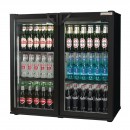
 Bottle Coolers & Beer Fridges
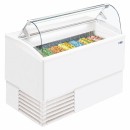 Ice Cream Displays
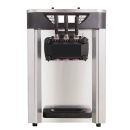 Ice Cream Machines
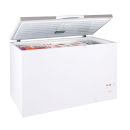 Chest Freezers
 Commercial Freezers
 Commercial Fridges
 Ice Cube Makers and Flakers
 Wine Coolers
 Bain Maries
 Commercial Microwaves
 Commercial Sinks
 Commercial Ovens
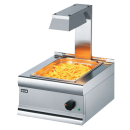 Fryers and Chip Scuttles
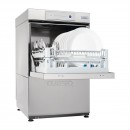 Glass and Dishwashers
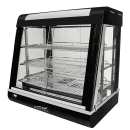 Pie Warmers & Hot Food Displays
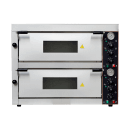 Pizza Ovens
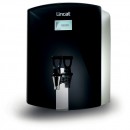 Water Boilers
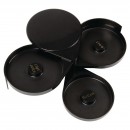 Bar Supplies
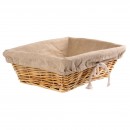 Bowls & Display Baskets
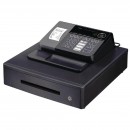 Cash Registers
 Chafing Dish Sets & Fuel
 Menus & Boards
 Table Numbers & Stands
 Salt, Pepper & Spice Mills
 Crockery
 Cutlery
 Glassware
 Wine Glasses
 Bins
Bins Cleaning Chemicals
 GreasePak
 Janitorial Equipment
 Laundry Equipment
 Coffee Machines
 Juice Dispensers
 Juicers
 Drink Blenders
 Milkshake Blenders
 Slush Machines
 Water Boilers
 Cookware
 Gastronorm Containers
 Ingredient Bins
 Pastry & Baking
 Utensils
 Pizza Pans & Equipment
 Food Storage
 Food Transport & Delivery Bags
 Folding Furniture
 Garden and Outdoor Furniture
 High Chairs
 Chairs
 Tables
Hotel Room Fridges
Commercial Hotel Room Fridges bring that extra touch of luxury to UK hospitality venues—from boutique B&Bs to large hotel chains. These compact refrigerators typically range from 20-60 litres with near-silent operation (under 30dB), ensuring guests enjoy convenience without disturbance. With 50 years in the business, we've seen how these energy-efficient units transform guest satisfaction while complementing in-room coffee machines and hotel kettles. Whether you're stocking complimentary refreshments or creating a revenue-generating minibar service, these fridges deliver that professional finish that elevates the entire guest experience.
Shop By
-
 £227.99 £339.00
Mini Wine Cooler | Small Wine Fridge | 10 Bottle Capacity | Blizzard BMB30
14.6480H x 400W x 420D mm
Blizzard
10 Bottles / 30 ltr
Black
 £236.99 £353.00
Commercial Mini Bar | Wine & Bottle Cooler | 10 Bottle Capacity | Glass Door | Blizzard BMB30G
16.6480H x 400W x 420D mm
Blizzard
10 Bottles / 30 ltr
Black
 £263.99 £393.00
Commercial Mini Bar | Undercounter Bottle Fridge | 24 Bottle Capacity | Blizzard BMB40
16.6550H x 400W x 440D mm
Blizzard
24 Bottles / 40 ltr
Black
 £268.99 £401.00
Commercial Mini Bar | Glass Door Wine Cooler | 24 Bottle Capacity | Blizzard BMB40G
18.8550H x 400W x 440D mm
Blizzard
24 Bottles / 40 ltr
Black
Commercial Hotel Room Fridges for Hospitality & Accommodation
Explore More About Hotel Room Fridges
Get expert guidance, see real chef stories, and find answers to your most common questions.
Brands Trusted by Industry Professionals
Key Features and Benefits
- Silent Operation Near-soundless running at under 30dB—guests sleep undisturbed.
- Energy Efficiency Low consumption models save up to 45% on power bills versus standard fridges.
- Compact Design Space-saving sizes from 20-60L—fits perfectly in room corners or cabinetry.
- Quick Cooling Chills drinks to perfect serving temperature in 2-3 hours.
- Lockable Options Secure contents for minibar inventory control and stock management.
- Reversible Doors Flexible installation with left or right opening—adapts to any room layout.
- Adjustable Thermostat Fine-tune temperature for different beverages and snacks.
- Frost-Free Technology No manual defrosting needed—maintenance simplified.
Too busy to read? Listen instead.
In this episode of The Deep Dive, uncover how modern hotel room fridges balance silence, energy efficiency, and minibar performance—featuring cooling tech, guest comfort, ROI tips, and installation best practices for flawless hospitality service.
12:00min | Expert-led | Real-world advice
Read Full Podcast Transcript: "Hotel Room Fridges" 0:00: Have you ever checked into a hotel room, dropped your bags, and, you know, instinctively opened that little fridge?
0:05: Oh yeah, almost always.
0:06: See what's inside, right?
0:08: Or maybe just grab a cold water.
0:10: Exactly.
0:10: It's one of those subtle, sort of luxurious touches in travel that we often overlook, but it really does enhance the experience, doesn't it?
0:16: It absolutely does.
0:18: But what if we told you that that small appliance is working quietly, diligently, not just for your convenience, but also actually for the hotel's bottom line, right?
0:30: There's more to it than meets the eye.
0:32: Definitely.
0:33: Today we're taking a deep dive into the, well, surprisingly sophisticated world of commercial hotel room fridges.
0:40: It sounds niche, but it's fascinating.
0:43: We've got a stack of insights on these compact cooling companions, and our mission is really to unpack what makes them so crucial for UK hospitality.
0:51: Yeah, from those little boutique B&Bs right up to the major hotel chains.
0:55: We'll explore their quiet operation, their.
0:57: of energy efficiency and how they tie into guest satisfaction and importantly revenue.
1:03: So why is this so interesting?
1:04: I mean, it's just a small fridge, right?
1:06: Well, not quite.
1:08: See, these aren't just scaled down versions of your kitchen fridge.
1:11: They are purpose-built marvels designed for efficiency, for guest comfort, and built to run 24/7.
1:20: They play this dual role.
1:22: Essential convenience for you, the guest, but also a potential revenue generator for the hotel.
1:27: It's a clever blend.
1:28: OK, let's start with the quiet part because honestly, what's the number one complaint about a noisy hotel room sometimes?
1:35: You'd think maybe traffic, neighbors, right, but often it's actually a buzzing appliance right there in the room.
1:43: I've definitely had that experience.
1:44: Oh me too, that low hum that just It gets under your skin after a while.
1:49: Exactly.
1:50: So this silent operation must be a huge deal.
1:52: It is, and that's where the engineering comes in.
1:55: Commercial hotel fridges are specifically designed for near silent operation.
1:59: How quaint are we talking?
2:00: Typically under 30 decibels, which for context is quieter than a whisper.
2:04: Wow, quieter than a whisper.
2:06: How do they even do that?
2:07: Well, there are basically two main cooling technologies used.
2:11: First, there's something called absorption cooling.
2:14: Absorption, yeah.
2:15: It works without any moving parts.
2:17: Think of it more like a silent chemical reaction during the cooling, not a motor, no moving parts, so totally silent, completely silent.
2:26: Ideal for those, you know, luxury suites where absolute quiet is a must.
2:30: OK, that makes sense for high end places.
2:32: What's the other type?
2:33: Then you have compressor models.
2:34: Now these do have moving parts, a bit like your fridge at home, but much smaller.
2:38: , so they'd be noisier.
2:40: You'd think so, but they're still engineered for a whisper quiet operation.
2:44: They use special noise dampening features, and the benefit is they often offer more rapid cooling, so a bit of a trade-off, but both are remarkably quiet compared to standard units.
2:55: Fascinating stuff.
2:57: But all this silence and clever engineering, how does that translate, you know, into practical benefits for the hotel's running costs and, well, for our stay?
3:06: Right?
3:06: It connects directly to energy efficiency.
3:08: That's the other big win.
3:09: How efficient are they?
3:10: Significantly more efficient than your standard domestic fridge.
3:14: They typically consume only about 0.5 to maybe 1.
3:17: CO kilowatt hour per day.
3:19: That sounds pretty low.
3:20: It is very low, especially considering they're designed to run constantly, 2047.
3:26: And for hotels looking to cut costs, choosing those low consumption models, particularly the ones with A+ or even A++ energy ratings like you see on appliances at home, exactly like that, those can save up to 45% on the power bill compared to older, less efficient standard fridges.
3:43: It adds up across hundreds of rooms.
3:45: 45% is huge, so quiet, efficient.
3:50: What else makes them special?
3:51: Their size, I guess.
3:52: They always seem pretty compact.
3:54: Yeah, the compact design is key.
3:55: They usually range from about 20 to 60 L, so they fit neatly into cabinetry or a corner.
4:01: Precisely.
4:01: They integrate seamlessly without taking over the room, but it's not just the size, it's the features packed into that size.
4:07: OK, like what?
4:08: Well, think.
4:08: About quick cooling, they can chill drinks down to the ideal serving temperature, say 4 to 6 °C in just a couple of hours.
4:15: Useful if you arrive late and want something cold quickly.
4:18: Exactly.
4:19: Then there are lockable options, really crucial for hotels managing minibars, stock, and security.
4:25: Makes sense.
4:26: Prevent losses.
4:27: Then things like reversible doors, sounds simple, but it gives huge flexibility for installation and different room layouts.
4:34: Left hinge, right hinge, whatever fits best.
4:37: And adjustable thermostat, so staff or sometimes even guests can fine tune the temperature.
4:42: OK.
4:42: And a big one for the hotel's housekeeping and maintenance teams, frost-free technology.
4:48: Oh, thank goodness, no chipping away ice.
4:50: Exactly.
4:51: It just simplifies upkeep massively.
4:53: No manual defrosting needed.
4:55: That is quite a list for such a small box.
4:58: So if you're running a hotel, how do you pick the right one?
5:01: Does size matter most?
5:02: Size is definitely a factor.
5:03: You'd probably go for a smaller 20 to 30 L unit for a standard room just for essentials, but for suites, maybe a larger 40 to 60 L one to stock a more premium selection in the minibar.
5:15: And what about those glass doors you sometimes see?
5:17: Do they make a difference?
5:18: Oh, absolutely.
5:19: Glass door models are often chosen for more upscale rooms.
5:23: Why?
5:23: To showcase the premium drinks and snacks inside, does it actually work?
5:28: Make people buy more?
5:29: The data suggests it does.
5:31: Studies show glass doors can increase minibar sales by, get this, 25% to 40%.
5:37: Wow.
5:38: Just because people can see this stuff.
5:39: Yep, it's that visual cue.
5:41: You buy what you see, it removes a barrier.
5:44: You don't have to wonder what's inside.
5:46: That's a significant jump in sales.
5:48: Are there downsides to glass doors though?
5:50: Maybe cleaning.
5:51: Yeah, that's the main trade-off.
5:53: Fingerprints, maybe seeing if the stock isn't perfectly arranged, but often that potential sales boost makes it worthwhile for the hotel.
6:00: Interesting.
6:01: And you mentioned ambient temperature, right?
6:03: Hotels also need to consider the typical temperature of the room the fridge will be in.
6:07: Performance can be affected if the room is unusually hot, for example.
6:10: OK, let's really unpack the business side now.
6:13: Beyond just keeping guests happy with cold drinks, what are the tangible benefits for the hotel?
6:19: The bottom line impact.
6:20: It's pretty substantial.
6:22: First, direct revenue.
6:24: Those minibars, when stocked, can generate an extra 5 pounds to 50 pounds per occupied room per night.
6:31: That adds up quickly across the whole hotel.
6:32: It really does, and think about the return on investment, the ROI.
6:36: A good quality minibar fridge can often pay for itself within just 8 to 12 months, less than a year.
6:43: That's a fast payback, very fast for a capital investment, but it's not just about the direct sales.
6:48: It's hugely about guest satisfaction.
6:50: How much difference does a fridge actually make there?
6:52: Quite a lot, it turns out.
6:54: Surveys show over 70% of hotel guests actually use the in-room fridge during their stay.
6:59: 70%.
7:00: That's high.
7:01: It is.
7:02: Hotels that provide them consistently see higher guest satisfaction ratings.
7:06: Some figures suggest up to a 22% increase.
7:09: Specialists often know a boost of maybe 15%, 15 to 22% higher satisfaction just from having a fridge.
7:14: It contributes significantly, yeah.
7:16: It's seen as a standard amenity now, something guests expect.
7:20: Not having one can be a negative, while having a good quiet one is a definite plus.
7:25: So it really influences how people feel about their stay.
7:28: Do we have like a real world example of this making a difference?
7:31: Absolutely.
7:32: Let's talk about the Harbor View Hotel in Brighton, a great case study.
7:36: OK, what was their situation?
7:38: They had a problem.
7:39: Their existing in-room fridges were old, noisy, the buzzing kind we mentioned, exactly, leading to guest complaints, and they were energy hogs driving up electricity bills, right, the double whammy, bad experience, high costs, precisely.
7:54: So they.
7:55: to act.
7:56: They invested in new silent, energy efficient models for all 42 of their rooms.
8:01: They already had coffee and kettles, so this completed the refreshment setup.
8:05: And the results pretty dramatic.
8:07: First off, the noise complaints vanished overnight.
8:10: It's a win already.
8:11: Huge win for guest comfort.
8:13: Then their electricity bills dropped by 32%, 32% just from changing the fridges, primarily, yes, a massive saving, but here's the kicker.
8:22: Minibar sales, did they go up maybe with glass doors.
8:25: They soared an extra 18,000 pounds a year in mini bar sales.
8:29: 18,000.
8:30: Yep.
8:30: And they attributed a lot of that increase directly to guests being able to see the products through the new glass doors on some of the units.
8:38: Wow.
8:39: That Harvie story really brings it home.
8:42: Lower costs, happier guests, and more revenue.
8:45: It shows the power of the right investment even in something seemingly small.
8:50: It really does.
8:50: It's not just a fridge, it's part of the whole business strategy.
8:54: So once a hotel has these great units, how do they make sure they perform well and You know, lasts as long as possible.
9:02: Are there tips?
9:03: Definitely.
9:03: And some of this advice is useful even if you have a mini fridge at home or in an office.
9:08: OK, good to know.
9:09: What's first?
9:09: Placement is really important.
9:11: Keep the fridge away from direct heat sources, so not right next to a radiator or in direct sunlight.
9:17: Streaming through a window.
9:18: Makes sense.
9:18: Heat makes it work harder.
9:19: Exactly.
9:20: And ventilation, always ensure there's enough space around the vents, usually at the back or sides.
9:25: At least 5 centimeter clearance is a good rule of thumb for proper air circulation.
9:29: Right?
9:30: Don't block the vents.
9:31: Crucial for efficiency and preventing overheating.
9:34: Another tip, especially for minibars, pre-chill the drinks before you stock the fridge.
9:40: so it doesn't have to work so hard cooling warm drinks down.
9:43: Precisely.
9:44: Reduces the initial cooling load and saves energy.
9:47: Also, think about the whole setup.
9:49: Pairing the fridge with maybe a single serve coffee machine or a hotel kettle creates a nice little refreshment station.
9:55: Makes the corner feel more complete, more inviting.
9:57: It does.
9:58: And finally, simple maintenance.
10:00: Hotels should have a regular cleaning schedule.
10:03: Just a weekly wipe down prevents odors and keeps it looking good.
10:07: Good point.
10:07: What about safety?
10:08: Anything specific there?
10:09: Yes, safety is paramount.
10:12: Regular checks of power cords for any damage, ensuring the unit is securely positioned, not wobbly.
10:17: Follow.
10:18: In proper installation guidelines, standard electrical safety stuff, absolutely.
10:21: And in the UK, annual testing, that's portable appliance testing, is essential to certify electrical safety and ensuring correct wiring, of course.
10:30: Got it.
10:30: And these commercial units, they last longer than a cheap domestic one, right?
10:34: Oh, significantly longer.
10:36: A typical commercial hotel fridge is built to last 7 to 10 years with proper care, 7 to 10 years, yeah, which can be easily triple the lifespan of a basic domestic mini fridge.
10:47: They're built for continuous heavy use, so it's a durable investment.
10:51: So wrapping this up, it really seems these little fridges are kind of unsung heroes, aren't they, quietly working away?
10:58: They really are.
10:59: We've seen how these compact, quiet, and energy efficient units aren't just a nice to have luxury.
11:04: No, they're a strategic asset, right, significantly boosting guests' satisfaction, and the hotel's revenue, especially across the UK hospitality scene, and I think this deep dive really highlights something interesting.
11:17: It shows how seemingly small details in your hotel stay are often backed by some really thoughtful engineering and clever business strategy.
11:27: It's all designed for your comfort, yes, but also for operational efficiency.
11:30: It makes you think, doesn't it?
11:31: It does.
11:32: It sort of raises a broader question.
11:33: What other everyday items do we just take for granted that are actually complex purpose-built marvels designed with real precision.
11:42: To do a specific critical job.
11:45: That's a great point.
11:46: So maybe the next time you travel, when you open that little fridge in your room, take a second look.
11:49: Yeah, take a moment.
11:51: Appreciate the quiet hum or lack thereof, and the hidden innovation working away inside.
11:58: You might be surprised what else you start noticing.
Essential Buying Considerations
Capacity and Room Type
- 20-30L models suit standard rooms—holds essentials without dominating space.
- 40-60L options work best for suites—accommodates premium minibar selections.
- Consider glass-door models for luxury rooms—showcases premium offerings.
Energy and Noise
- Absorption technology for luxury rooms—completely silent operation.
- A+ or A++ energy ratings reduce running costs by up to 45%.
- Consider ambient temperature where fridges will operate—affects performance.
How Commercial Hotel Room Fridges Work
Hotel room fridges operate using efficient compressor or absorption cooling technology—both designed specifically for hospitality environments. Compressor models use a motor-driven system that delivers rapid cooling but with specially designed noise-dampening features to keep operation whisper-quiet. Absorption fridges work without moving parts, using a heat exchange process that's completely silent—perfect for luxury suites. Most units maintain temperatures between 2-8°C while consuming minimal energy (typically 0.5-1.0 kWh/day), making them substantially more efficient than standard domestic refrigerators and ideal for 24/7 operation in guest accommodations.

Trusted Insights from Liam Sinclair

Refrigeration Specialist
13+ years experience
"Hotel room fridges need to be quiet, compact, and reliable—no guest wants to be kept up by a buzzing mini fridge! Go for energy-efficient models with lockable doors to keep things cool and secure without racking up your electricity bill."Safety Guidelines
- Regular Inspection Check power cords monthly—prevents electrical hazards.
- Secure Positioning Ensure stability on level surfaces—prevents tipping.
- Ventilation Space Maintain 5cm clearance around units—prevents overheating.
- Proper Installation Follow manufacturer guidelines—ensures optimal performance.
- PAT Testing Schedule annual electrical safety checks—meets UK regulations.
- Proper Wiring Use correct fuses and plugs—maintains safety standards.
Top Tips for Using Commercial Hotel Room Fridges
Position fridges away from heat sources like radiators or direct sunlight to maximize efficiency and lifespan. When installing, leave at least 5cm clearance around vents for proper air circulation. For minibars, consider pre-chilling drinks before stocking to reduce initial cooling time. Pair with single-serve coffee machines and hotel kettles for a complete in-room refreshment station. Finally, implement a regular cleaning rota—weekly wipe-downs prevent odours and maintain that crisp, professional appearance guests expect.
Benefits of Using Commercial Hotel Room Fridges
- Enhanced Guest Experience Convenience that boosts satisfaction and reviews.
- Additional Revenue Generate income through minibar sales—typically £5-15 per occupied room.
- Energy Savings Purpose-built efficiency slashes running costs compared to domestic models.
Did You Know?
- Longevity Commercial hotel fridges typically last 7-10 years—triple domestic lifespan.
- Guest Usage Over 70% of hotel guests use in-room fridges during their stay.
- ROI Factor Quality minibars can pay for themselves within 8-12 months.
- Satisfaction Impact Hotels with in-room fridges see 22% higher guest satisfaction ratings.


Expert Insights on Commercial Hotel Room Fridges
Having supplied thousands of hotel fridges across the UK, we've learned what makes the difference. 'The right in-room fridge can boost guest satisfaction scores by up to 15%,' notes Emma, our hospitality equipment specialist. 'For boutique hotels especially, silent operation and energy efficiency aren't just nice-to-haves—they're essential for maintaining both atmosphere and profit margins.'
- Pros: Silent operation, energy efficient, enhances guest experience.
- Cons: Premium models require investment—though quickly offset by energy savings.
Who Needs Commercial Hotel Room Fridges?
- Hotels Essential amenity for chain and boutique properties—boosts star ratings.
- B&Bs Differentiates your offering from competitors—guests love the extra touch.
- Serviced Apartments Completes the home-away-from-home experience—extends guest stays.
- Guest Houses Elevates accommodation quality—justifies premium pricing.
Real-World Success with Commercial Hotel Room Fridges
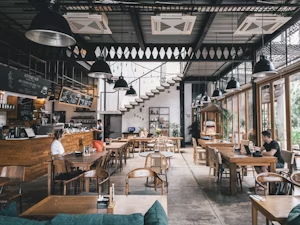
The Harbourview Hotel in Brighton struggled with outdated, noisy in-room fridges that generated frequent complaints and consumed excessive energy. After consulting with our team, they installed our silent, energy-efficient models throughout their 42 rooms, complementing their existing hotel kettles and coffee facilities. 'The difference was immediate,' reports their Operations Manager. 'Noise complaints vanished overnight, and our electricity bills dropped by 32%. Plus, minibar sales increased by £18,000 annually because guests could now actually see what was available through the glass doors!'

FAQs
- How loud are commercial hotel room fridges? Quality models run under 30dB—quieter than a whisper and won't disturb sleep.
- What's the energy consumption of hotel minibars? Typically 0.5-1.0 kWh/day—far more efficient than standard refrigerators.
- Can hotel fridges be built into cabinetry? Yes, many models are designed specifically for integration into room furniture.
- How often should hotel room fridges be serviced? Annual maintenance checks are recommended—extends lifespan significantly.
- Are glass-door fridges worth the extra cost? They increase minibar sales by 25-40%—guests buy more when they can see options.
- What's the ideal temperature for hotel minibars? 4-6°C is perfect—keeps drinks refreshingly cold without freezing.
Looking for Equipment by Business Type?
Not sure where to start? Whether you're running a bustling café, opening a pizzeria, or managing a school canteen, we've made it easy to shop by business type. Explore handpicked equipment bundles and essentials tailored to your industry—saving you time and making sure you get exactly what you need.
Other Categories You Might Find Useful
We’ve selected some closely related categories that might be essential for your setup. Whether you’re expanding your kitchen or just making sure you’ve got everything covered, these links will help you explore more equipment that fits your needs.
Commercial Hotel Room Safes for Hospitality & Accommodation Commercial Hotel Supplies & Hospitality Equipment for UK Accommodation Commercial Hygiene Broom Heads for Professional Cleaning Commercial Dishwasher Cleaning Brushes for Professional Kitchens Commercial Ice Buckets & Ice Crushers for Bars & Restaurants Commercial Ice Cream Machines for Restaurants & Cafés Commercial Ice Makers for Restaurants, Bars & Hotels Commercial Kitchen Utensils for Restaurants & CateringWhat our Customers Say
'These fridges transformed our guest experience—silent, efficient, and reliable!'
J James Boutique Hotel Owner, Bath'Brilliant energy savings and our guests love the convenience!'
L Laura B&B Proprietor, Lake District
Why Choose EasyEquipment for Commercial Hotel Room Fridges?
- Trusted Supplier 50 years serving UK hospitality—we understand hotel needs.
- Nationwide Delivery Free delivery to your property—multi-unit orders welcome.
- Price Guarantee We'll match any like-for-like quote—competitive pricing assured.
- Hospitality Experts Specialist advice on the perfect models for your property type.
Ready to Explore Commercial Hotel Room Fridges?
Browse our complete range of hotel fridges and minibars designed specifically for UK hospitality venues. From silent-running luxury models to energy-efficient budget options, we've got the perfect solution for enhancing your guest experience.